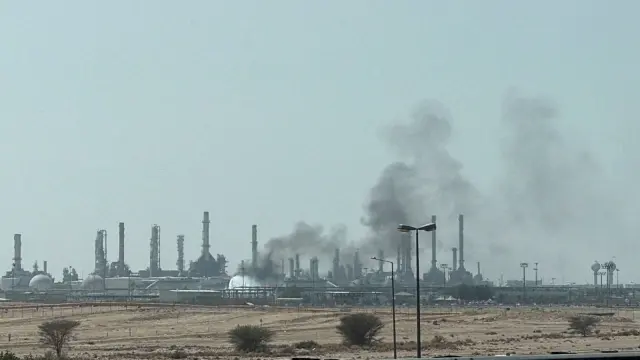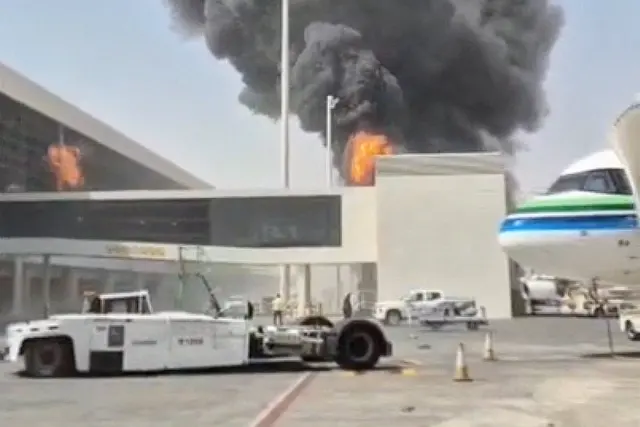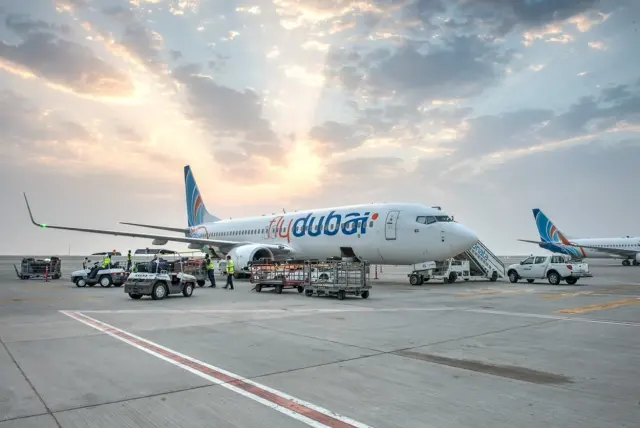
Saudi Arabia's airports have become targets, and Portugal has responded by upgrading its travel advice to warn against non-essential trips to the kingdom. The update from Lisbon's Ministry of Foreign Affairs follows a wave of attacks on airport infrastructure that have left civilians dead, hundreds injured and flight schedules in disarray.
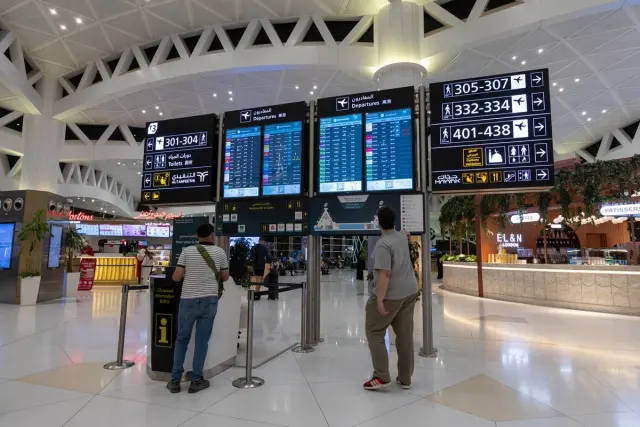
The strikes, launched from Yemen, have hit major hubs including King Khalid International Airport in Riyadh and King Fahd International Airport in Dammam. According to Reuters figures cited in the advisory, at least 18 people have been killed and more than 300 injured in attacks on Riyadh's airport in recent days alone. The violence is part of a sharp escalation between Saudi Arabia and Yemen's Iran-aligned Houthi movement, and it has directly disrupted air travel: flights have been cancelled or delayed, and security concerns now affect airports across the country.
For Portuguese nationals, the guidance is concrete. Anyone already in Saudi Arabia is urged to stay vigilant and follow instructions from local authorities. The ministry, publishing through its Portal das Comunidades Portuguesas, even suggests that overland travel could be an alternative way in or out of the country — depending on individual circumstances and, crucially, only where security conditions permit.
The ministry has also rolled out emergency contact channels. Portugal's Embassy in Riyadh can be reached on +966 54 756 6139, while the 24-hour Consular Emergency Office in Lisbon is available on +351 217 929 714 and +351 961 706 472. There's additionally a WhatsApp group offering real-time updates to Portuguese citizens, with access granted on request.
Why does this matter beyond Portugal? National advisories like this one are a reliable signal of how seriously a government takes a deteriorating security situation, and they often foreshadow similar moves by other European foreign ministries. If you're booked on a flight to Riyadh, Dammam or anywhere else in Saudi Arabia in the coming weeks, it's worth checking your own government's travel advice, your airline's alerts and your travel insurance terms — many policies exclude cover in regions once an official 'advise against travel' warning is in place. Travellers with flexible plans may simply want to postpone, while those who must go should build in generous buffers for delays and cancellations and keep an eye on updates from Saudi authorities on the ground.
The situation is evolving quickly, so check the latest guidance before committing to any bookings.