Travellers with trips to Saudi Arabia in the diary should be paying close attention this week. On Tuesday, explosions were reported in Riyadh and near Saudi Aramco's headquarters in Dhahran, as hostilities with Yemen's Iran-backed Houthis escalated sharply.
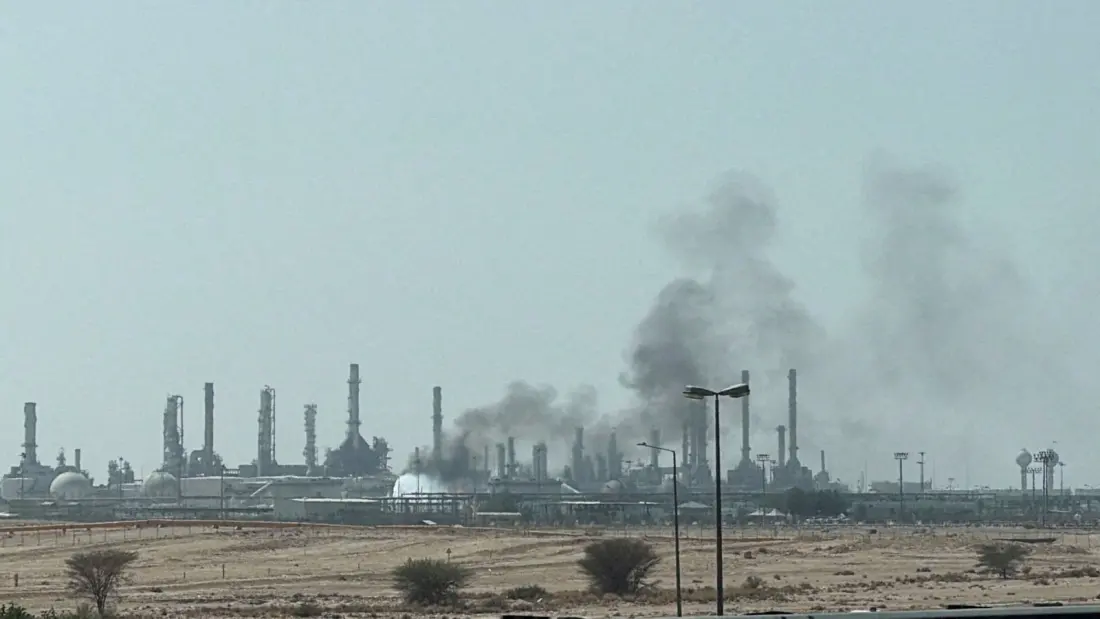
In the capital, residents received an emergency alert warning of a "hostile aerial threat" shortly before a powerful blast was heard. Six sources told Reuters that explosions were heard near Aramco's Dhahran headquarters, which had been evacuated, with one witness describing smoke rising from the site — though Aramco has not confirmed an attack or any damage. The coalition said it intercepted three drones north of Riyadh, a claim that could not be independently verified.
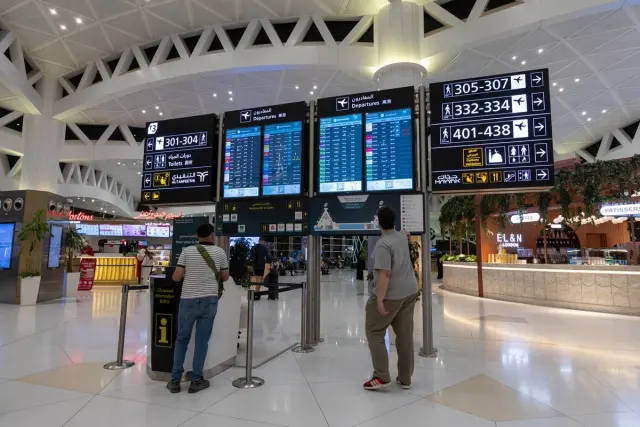
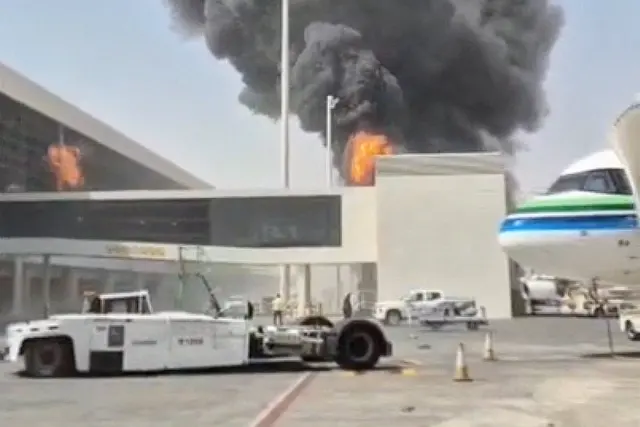
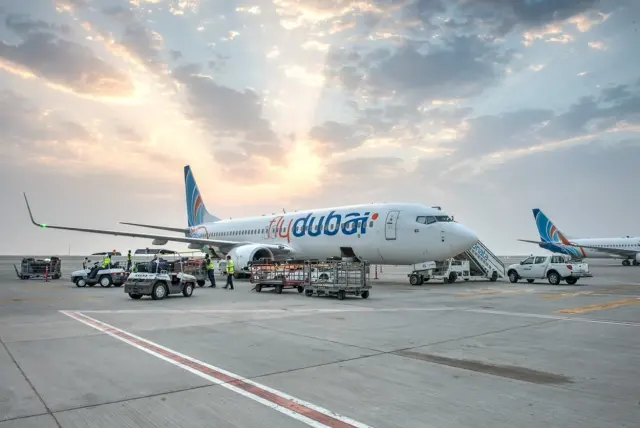
The escalation follows a strike on Riyadh's King Khalid International Airport on Saturday that killed at least 13 people and wounded more than 300. Several airlines have since suspended flights to the kingdom, and the Houthis have renewed warnings against airlines using Saudi airspace — a direct concern for anyone booked on routes that transit or terminate in the country.
The fighting itself has intensified around the Bab al-Mandab Strait, the shipping corridor linking the Red Sea to the Gulf of Aden, which Houthi forces seized key positions overlooking last month. Saudi-backed government forces are battling to retake the high ground, including the Kahboub mountains near Aden, while the Houthis have pushed toward the besieged city of Taiz, where officials say six people were killed and 18 wounded in a single day. Inside Houthi-held territory, Saudi strikes on the al-Suhaba fuel facility west of Sanaa have triggered panic buying, with long queues forming at petrol stations despite the Yemeni Oil Company insisting its storage sites were empty.
Diplomatically, the picture is equally tense. Egypt's foreign minister pressed his Iranian counterpart to rein in the Houthis, Washington is providing Saudi Arabia with intelligence and targeting support but holding off on direct strikes, and analysts warn deeper US involvement could prompt further disruption to Red Sea shipping. The Saudi Cabinet has vowed the kingdom "will not allow any threat to its security or to freedom of maritime navigation".
For travellers, the practical picture is straightforward: this is not a moment to be booking trips to Saudi Arabia. Expect flight suspensions, airport disruption and rerouting to continue, and monitor your airline and your foreign ministry's travel advisories closely if you have upcoming bookings. Transit itineraries via Riyadh or Dammam-area airports may also be affected, so anyone connecting through the Gulf should build in flexibility or consider alternative hubs. Red Sea cruise and shipping itineraries face their own uncertainty given the warnings around maritime navigation. The situation is fluid, and the risk of a wider regional confrontation — with implications for energy infrastructure, aviation and trade — is exactly what officials are warning about. Check the latest government guidance before making or keeping any travel plans in the region.