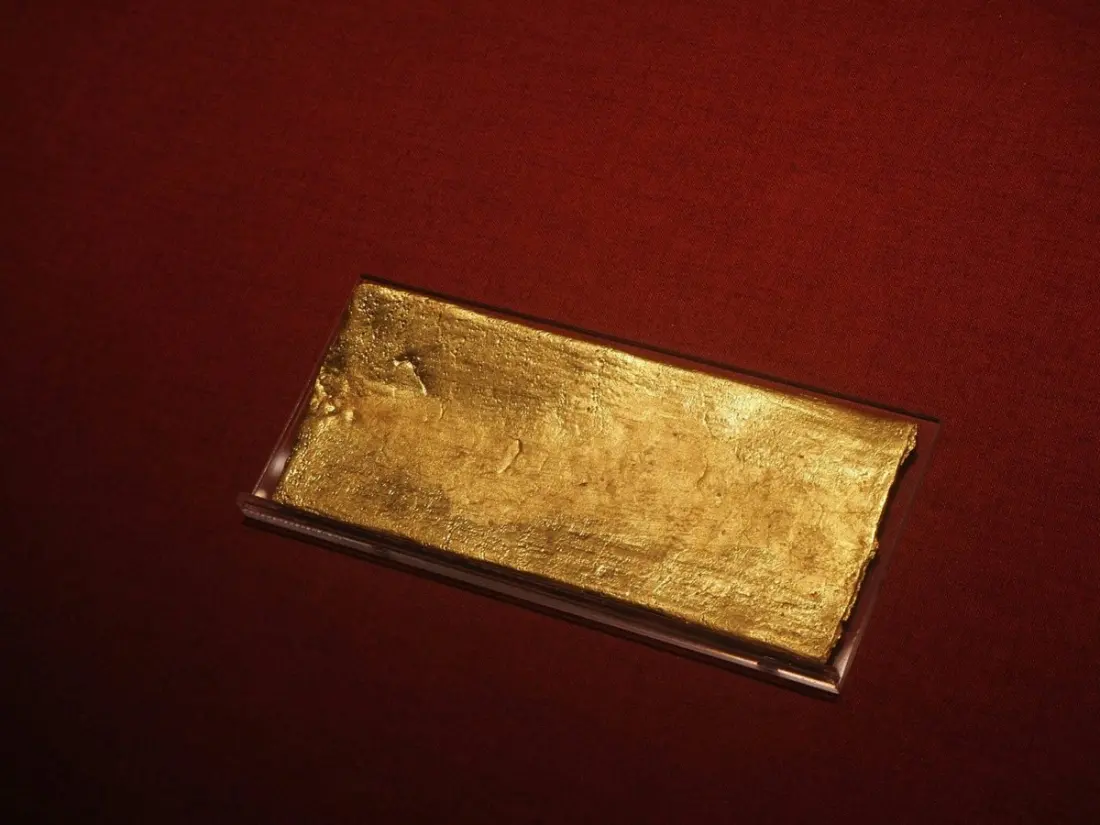
Portugal's national gold reserves now total 382.66 tonnes — enough that, divided across the population, every Portuguese citizen theoretically 'owns' about €5,000 worth of bullion. Half of it sits in high-security vaults at Carregado, 40 km north of Lisbon; the other half is stored in London. Legally, the state can't simply sell it: instead, the Bank of Portugal uses the ingots as collateral for loans arranged through the Bank for International Settlements, the so-called central bankers' bank.
The strange part? Almost none of this gold was ever dug out of Portuguese soil. The country's last significant mine, the Jales-Gralheira concession in the Vila Real district, closed in 1992 — though its history stretches back to Roman times, when engineers used hydraulic methods to extract gold as tribute for Rome. Canadian prospectors have recently re-examined the site, but reckoned a restart would take at least a decade. For now, Portugal imports all the gold it needs for jewellery and industry.
So where did the fortune come from? In 1939 the reserves held a modest 63 tonnes. Everything changed when war broke out. Portugal sat on most of Europe's wolfram — tungsten, essential for tank armour — and neutral Lisbon became a seller's paradise. Germany, cut off from normal currency markets, paid in gold, much of it looted from the central banks and, horrifically, from victims of the Nazi regime via the SS's notorious 'Melmer Account'. Ingots stamped with eagle-and-swastika insignia arrived in Porto and Lisbon, sometimes by submarine; the Bank of Portugal quietly recast them on arrival, though it admits a few stamped originals remain at Carregado to this day.
After the war, the Allies pushed for restitution. Portugal handed back just four tonnes, arguing that Britain and America owed it substantial sums for war materials and the wartime use of the Azores. Claims from African colonies followed, and in the late 1990s the Soares Commission investigated. Its verdict: Portugal accepted gold looted from European central banks, but ruled it lawful, since the metal had been received as payment for legitimate exports — from both sides of the conflict.
For travellers, this is a story hiding in plain sight. Lisbon's wartime gold trade shaped the city you walk through today: the grandeur of the Baixa, the spy-riddled cafés of the Chiado where agents of every side watched each other over bica coffee, the banks that made Portugal a crossroads of neutral Europe. A visit to the Bank of Portugal's museum in Lisbon puts the bullion story in context, and a day trip north to the Vila Real district lets you see the Roman gold-mining country around Jales for yourself. It's a reminder that Portugal's glitter isn't only in its beaches and tiles — some of it sits, stamped and controversial, in a vault north of the capital.