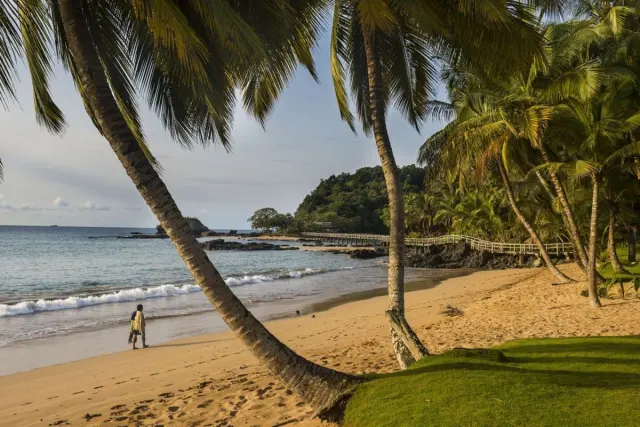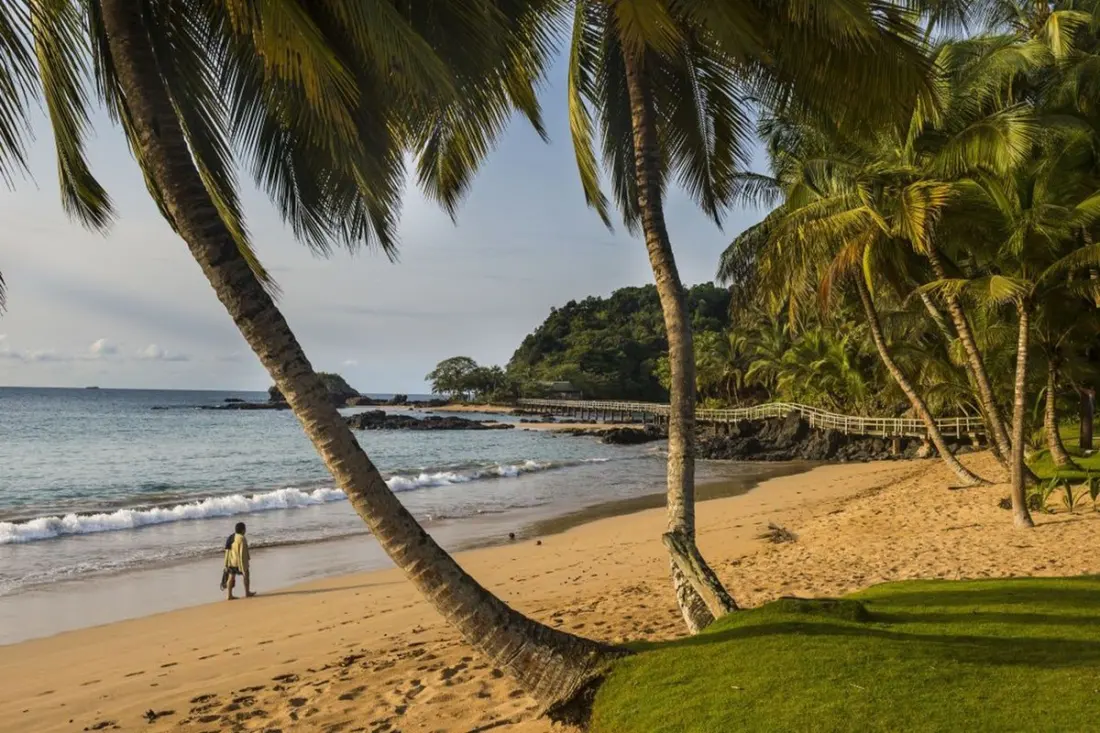
Looking for tropical beaches that haven't been colonised by resort chains? Principe, the smaller half of one of Africa's tiniest nations, is quietly becoming the answer. Along with Sao Tome, it sits in the Gulf of Guinea off West Africa's coast, and it has the white-sand, jungle-backed look of a Caribbean idyll — with a fraction of the visitors. The sleepy capital, Santo António, has no billboards, no major hotel brands and just a handful of small shops.
Part of the appeal is sheer remoteness. Getting there involves flying via Lisbon and then Sao Tome, a slog that has kept mass tourism at bay. It also explains why the island feels frozen in time: colonial-era sugar and cocoa plantation ruins now sit half-swallowed by rainforest, and there's a bakery-in-a-fishing-village warmth to everyday life.
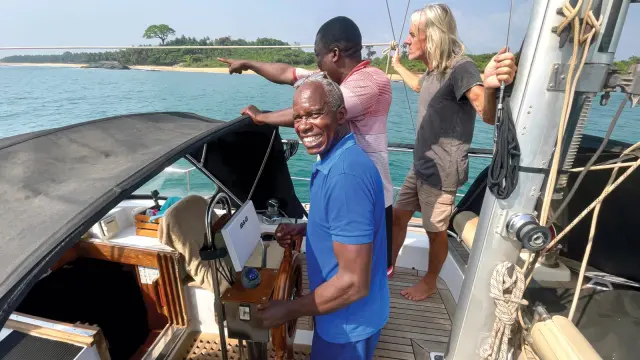
Much of the credit for Principe's careful development goes to HBD (Here Be Dragons), a sustainable tourism company founded by Mark Shuttleworth — the South African tech entrepreneur who became Africa's first astronaut in 2002. Seeing Earth from space, he says, convinced him to protect it. After initially eyeing the island as a private buy, he built a tourism operation that creates local jobs while keeping the wild interior intact. Locals, for their part, turned down palm oil projects in favour of ecotourism.
HBD's flagship is Bom Bom, a former fishing lodge on a remote northern peninsula that recently reopened after three years of pandemic closure. It's a low-key collection of bungalows with two beach fronts — one for sunrises, one for sunsets — and a beach bar and restaurant on the way. Development elsewhere moves slowly too, deliberately.
The nature payoff is significant. In 2012 the entire island and its islets were designated a Unesco World Biosphere, and more than half of the volcanic terrain is a protected park sheltering endemic species in rainforest thought to be around 31 million years old. Waters are just as rich: humpback whales pass between July and October, and five turtle species (loggerhead, olive ridley, green, hawksbill and leatherback) nest on the beaches from November to March.
Beyond the sand, there's hiking up phonolitic peaks such as Pico do Papagaio, and chocolate to bring home — HBD has revived cocoa production at Roca Sundy, a heritage plantation property you can stay in, with a shop selling edible and cosmetic cocoa goods. A new HBD initiative, the Natural Dividend project, even pays islanders directly for protecting ecosystems, a model its founder hopes to spread across Africa.
For travellers, the practical entry point is simple: Rainbow Tours runs a nine-night Sao Tome and Principe trip staying at Bom Bom from £3,770 per person, half board with flights included. It's not a budget getaway and not a spontaneous one — but if your idea of winter sun means empty beaches, loud birdsong and a loaf straight out of a clay oven, few places deliver it this undisturbed.