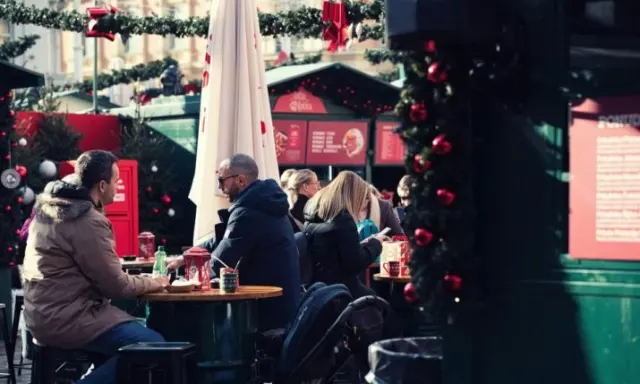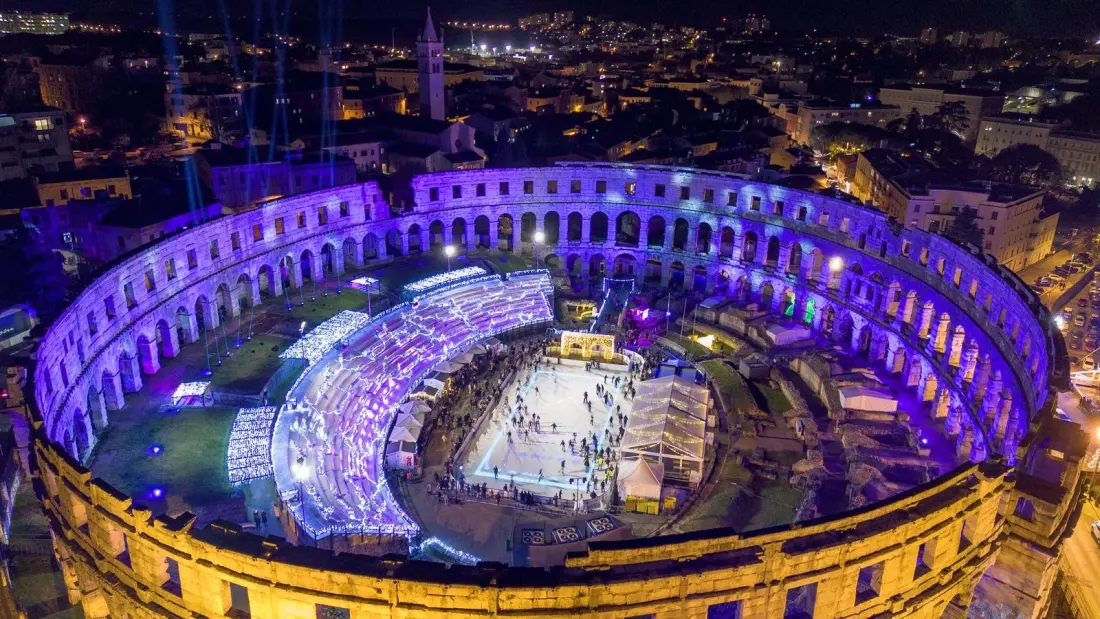
Christmas market snacking in Pula just got more predictable. From this year's Advent season, the Istrian city is capping prices on a set of staple food and drink items sold at its festive stalls, following a decision by the city administration announced in late October.
The rules are straightforward. Hot dogs, hamburgers and bakalar (dried cod) can cost no more than €5. Mulled wine, hot chocolate and cocoa are limited to €3, with tea and bottled water topping out at €2. The sweet stuff is covered too: fritule, pancakes and Christmas cookies also carry a €3 maximum per portion. Vendors aren't restricted across their whole menu — each caterer must offer at least one product at the capped price, and can price anything else on their stalls as they see fit. Minimum portion sizes have also been set for the capped items, so nobody gets a thimble-sized glühwein for their three euros.
Deputy Mayor Siniša Gordić framed the move as a way of keeping a festive night out affordable, and the cap has been broadly welcomed. Not everyone is thrilled, though. Long-time Advent trader Danijel Britvić pointed out that ingredient quality drives cost: his 100-gram sausages can't realistically be sold at €5, so he'll keep last year's prices while adding a basic hot dog at the capped rate to satisfy the rules.
The model isn't new to Istria. Poreč, up the coast, has run capped prices at its own Advent for years and treats it as a fixture rather than an experiment. Ajna Temimović from the City of Poreč explained the philosophy: prices are adjusted over time to market conditions, but always kept low enough that a group of friends can go out, buy everyone a round and grab something to eat without it hurting — the goal being that people actually come back. The first real test of Pula's version comes quickly, with the public call for Advent stall leases closing at the end of October.
For travellers, this matters more than it might sound. Anyone who's paid €8 for a lukewarm paper cup of mulled wine at a European Christmas market knows the festive season can quietly get expensive for a family. Pula's approach gives visitors a guaranteed budget baseline — you can plan an evening of glühwein, fritule and a bite to eat knowing exactly what the essentials will cost — while leaving room for vendors selling premium versions at higher prices. It's a useful model to watch, and handy to know if you're choosing between Istrian towns for a festive break this winter.