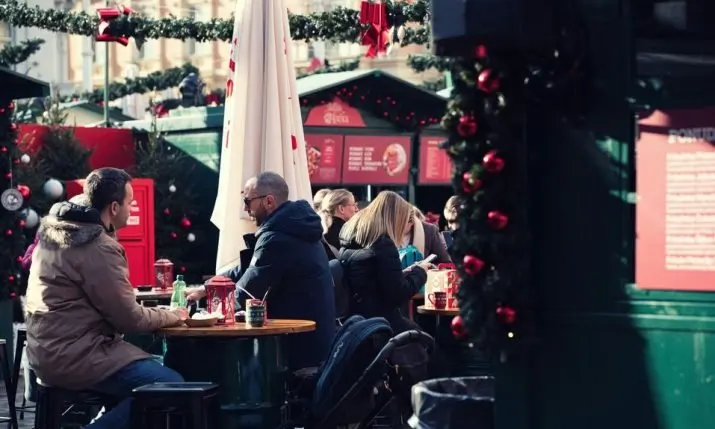
Tired of paying metropolitan prices for a paper cup of gluhwein? Pula has a fix. The Croatian coastal city is rolling out fixed maximum prices for staple items at its Advent market this festive season, and the numbers are refreshingly modest: €5 for hot dogs, hamburgers and cod dishes, €3 for mulled wine, hot chocolate, fritule, pancakes and Christmas biscuits, and just €2 for tea and bottled water.
The move, reported by Dnevnik Nova TV, comes amid a wider European debate about Christmas market mark-ups, where familiar snacks often cost a premium simply because of where they're sold. Pula's answer is a hybrid model: every stallholder must include certain fixed-price products in their offer, depending on whether they sell savoury food, sweets or both, but anything beyond that mandatory selection can be priced freely. Portion sizes for the regulated items will be defined too, so a €3 cup of mulled wine actually means a proper serving.
Deputy Mayor Siniša Gordić framed the caps as a way to keep the city's festive market accessible rather than a full intervention in vendors' menus. Reaction has been largely positive, if not unanimous - some traders argue the price should reflect the quality and size of what lands on your plate. Visitors, meanwhile, seem happy, with some suggesting cheaper stalls will pull more people into the city centre.
Pula isn't inventing the idea. Nearby Poreč, also on the Istrian coast, has run a similar scheme for several years, adjusting its prices as conditions change. So if the model works, expect more Croatian Advent markets to follow.
For travellers, this is a genuinely useful bit of planning intel. Croatia's Advent season - Zagreb's has been among Europe's most celebrated - has grown into a proper winter draw, but stall prices in prime spots have crept up in recent years. Pula offers a more affordable take, and the Roman amphitheatre setting doesn't hurt either. If you're plotting a December trip along the Istrian coast, the price caps remove the guesswork: you know roughly what a sausage, a sweet or a hot drink will set you back before you join the queue.
The wider appeal is simple - festive markets are at their best when you can graze freely without checking your budget every second stall. Pula's approach makes that easier, and it may well push other cities to think twice about what they charge for a cup of tea.