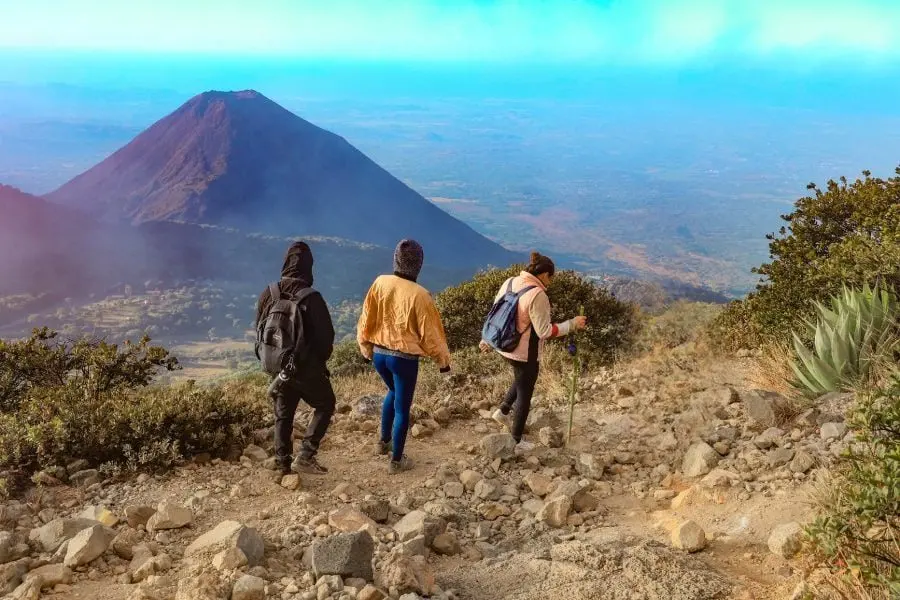
El Salvador gets pigeonholed as a surf destination, but the smallest country in Central America packs a surprising amount of protected wilderness into its borders — five standout national parks covering volcanoes, cloud forests and rare tropical dry forest.
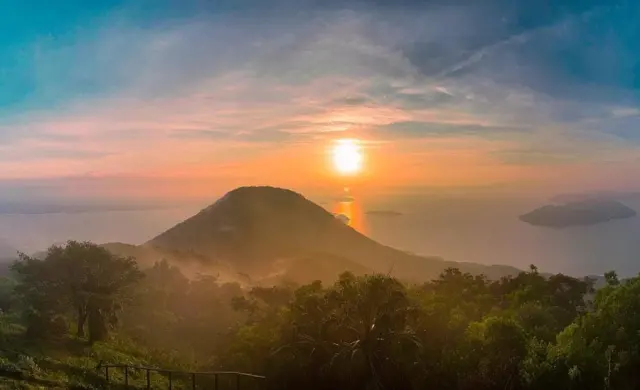
Los Volcanes National Park (also known as Cerro Verde) is the headline act. It shelters three volcanoes — Santa Ana (Ilamatepec), Izalco and Cerro Verde — in the country's west. Santa Ana is the tallest in El Salvador, and the hike to its summit rewards you with views over a vivid crater lake. Cerro Verde itself is gentler, with forested trails and lookout points, while Izalco's steep, bare cone is the photogenic one you'll see on postcards.
If you want a cooler, mistier experience, head to Montecristo National Park in the Santa Ana mountains near the Guatemalan and Honduran borders. This is cloud forest territory: mosses, ferns, orchids and tall trees wrapped in frequent fog. It's also part of the Trifinio region, where all three countries meet, making it a significant conservation area. Expect crisp mountain air — a welcome break from the lowland heat.
El Imposible National Park in Ahuachapán department protects one of the country's last major tropical forest ecosystems. The name comes from a once-perilous mountain pass used to move goods through the region. Today it's a hiker's playground of rugged ridges and deep valleys, with a strong cast of birds, mammals and reptiles.
Not every outing needs to be a workout. El Boquerón National Park sits on San Salvador Volcano, a short trip from the capital, and its main draw is a huge crater ringed by vegetation — with a mini cone, El Boqueroncito, inside it. Cool temperatures, short paths and big views make it ideal for families. Further west, near Lake Güija, the San Diego and San Felipe de Las Barras protected area preserves tropical dry forest, where trees shed their leaves in the dry months and burst back to life with the rains.
Wildlife-wise, bring binoculars and patience. Toucans, motmots, hummingbirds and woodpeckers are on the bird list, along with armadillos, coatis and white-tailed deer — though many animals keep a low profile during daylight hours.
Timing matters. The dry season (roughly November to April) offers firmer trails and clearer views, though exposed routes can get hot, so start early and carry water. The rainy season (about May to October) turns everything lush and green, but trails can get slippery and some areas close.
A few practicalities: entry rules vary by park. Some require advance reservations, permits or an authorised guide, so check with El Salvador's Ministry of Environment before setting out. Pack hiking shoes, sun protection, insect repellent, and a light jacket for the highlands, where weather shifts fast. Stick to marked trails, carry out your rubbish, and give the wildlife space.
For travellers who like their beaches with a side of volcano hikes and misty forest trails, El Salvador's national parks are the country's most underrated draw.