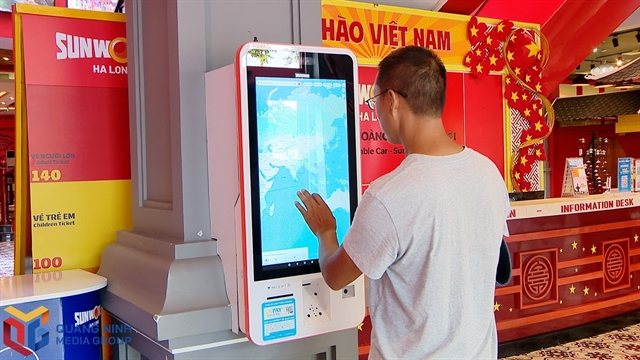
Visiting Hạ Long Bay soon? Expect fewer paper tickets and shorter queues. Quảng Ninh province, home to Vietnam's most famous seascapes, is rolling out a province-wide smart tourism push that is already changing how travellers book, pay and get around.
The changes are visible at the big-name sites. At Sun World Hạ Long, you can buy tickets online, pay electronically and walk straight through gates fitted with facial recognition — no ticket to lose, no long wait. The park's Sun Paradise Land app provides maps and attraction information so you can plan your day on the fly. Chinese tourist Fan Zi Yang told local reporters that e-tickets and face-scan entry made travelling with a large group far simpler, since everyone enters by scanning a code.
The UNESCO-listed Hạ Long Bay – Yên Tử World Heritage Site area is getting the same treatment. At Yên Tử, the sacred mountain pilgrimage site, QR codes let visitors look up information, book tickets and pay online, while electric transport, hotels and restaurants are gradually being linked into the same network. Managers are piloting AI-powered cameras to monitor crowds and improve safety, and e-ticketing data helps them track visitor numbers and plan reception.
Smaller destinations are plugged in too. Bãi Cháy Ward, the gateway to the bay, has launched its own smart tourism website and app covering attractions, restaurants, hotels and entertainment, backed by six free Wi-Fi hotspots and three new mobile transmission stations. Across the province, wide 5G coverage and public Wi-Fi make it realistic to rely on digital services rather than printed maps or cash.
Behind the scenes, Quảng Ninh wants to build a shared data system standardising information on accommodation, transport, dining, tickets and visitor activity, so businesses and authorities can see demand in real time and adjust. Plans also include digitising heritage documents, multilingual interpretation services, digital maps and training tourism staff in digital skills. Industry voices, including VietISO's Nguyễn Quyết Tâm, point out that the real test is people and coordination — making sure separate systems at attractions, hotels and transport actually talk to each other.
Why does this matter to travellers? Practically, it means less queuing and fewer cash transactions at Vietnam's busiest bay, easier itinerary planning through apps, and personalised service — hotels like Legacy Yên Tử – MGallery already use guest data to tailor repeat stays. If you're travelling independently or with a group, download the relevant apps before you go and expect QR-code entry to be the norm rather than the exception.