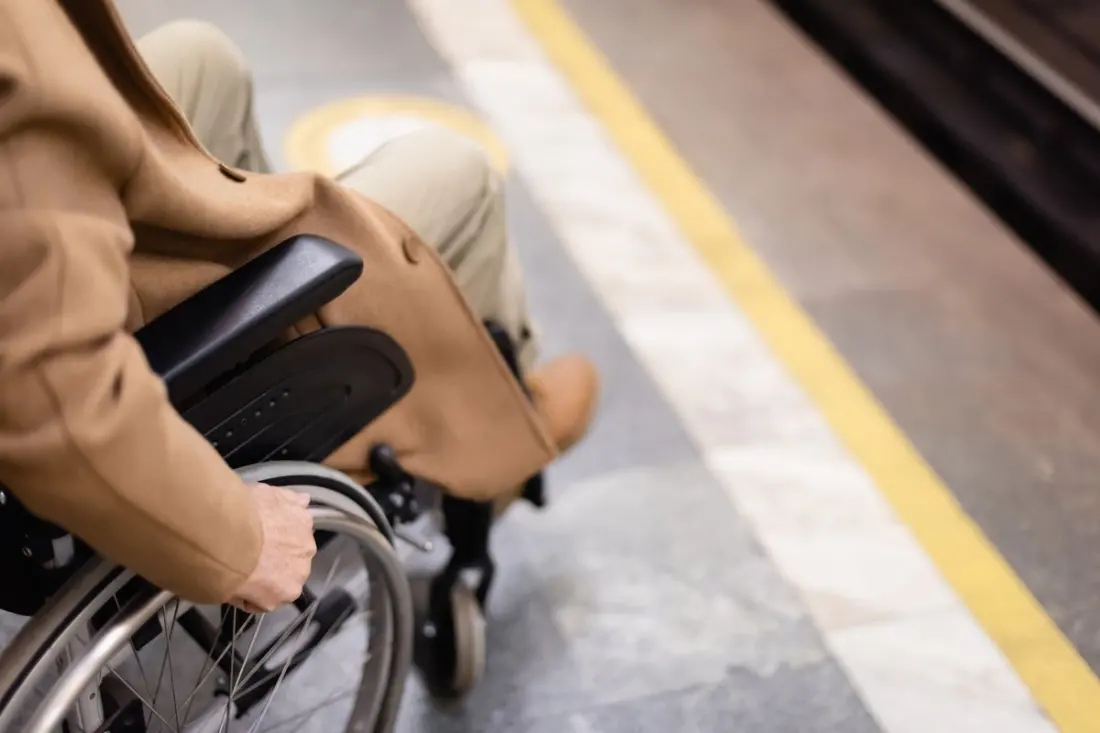
If you've ever been bumped onto a rail replacement bus in Britain, you'll know the experience can be patchy. For disabled passengers, new research suggests it's often far worse than patchy — for most, it simply doesn't work.
Data from Great British Rail Replacement (GBRR), part of transport company CMAC Group, found that of 145 disabled UK rail users surveyed, just 2.8 per cent consider rail replacement services fully accessible. That's fewer than three in a hundred people who feel they could actually complete a disrupted journey by bus or coach.
The picture gets bleaker. Around two-thirds of respondents said their experience of disruption had got worse over the past year, and nearly a third said they'd been left with no viable alternative at all when trains stopped running. Nearly one in five rural customers said they've cancelled trips outright because they expect the backup provision to be inadequate — a sobering stat for anyone planning a car-free escape to the countryside.
The scale of the problem is real. Office of Rail and Road figures show more than 80,000 services were fully or partially cancelled across Great Britain between January and March 2026. And operators face a brutal logistics window: according to GBRR, they may have as little as 15 to 30 minutes to size up a major disruption and start sourcing replacement transport — while suitable vehicles are tied up with school runs, airport transfers or events, and driver-hours rules further limit the pool.
GBRR argues accessibility should be baked into resilience planning before anything goes wrong, and calls the government's renationalisation of rail through Great British Railways a "fundamental opportunity" to set consistent national standards. Director Ian Jeffrey stressed the response isn't about blindly booking buses, but rapidly matching the right vehicles to the incident.
Regulators and the industry acknowledge the gap. The ORR says it has seen "significant progress" — its 2026 Annual Consumer Report found 97 per cent of rail replacement vehicles meet DVSA accessibility standards — but says passengers still need better information and support on the day. The Rail Delivery Group says operators are working on clearer information, better assistance and more suitable alternatives. Transport for London notes most of its rail replacements use regular buses with accessibility-trained drivers, though occasional agency staff are only trained on the specific vehicles they drive.
Why does this matter if you're planning a trip? Britain's rail network is the backbone of car-free travel, from the Lake District to the Cornish coast. If you're a disabled traveller, or travelling with someone who is, it's worth building a plan B into any UK rail itinerary: check operator accessibility policies before you book, allow generous buffer time around your connections, and consider contacting the operator's assistance team in advance to ask what actually happens during disruption on your route. The goodwill is there — the infrastructure and information clearly aren't keeping pace yet.