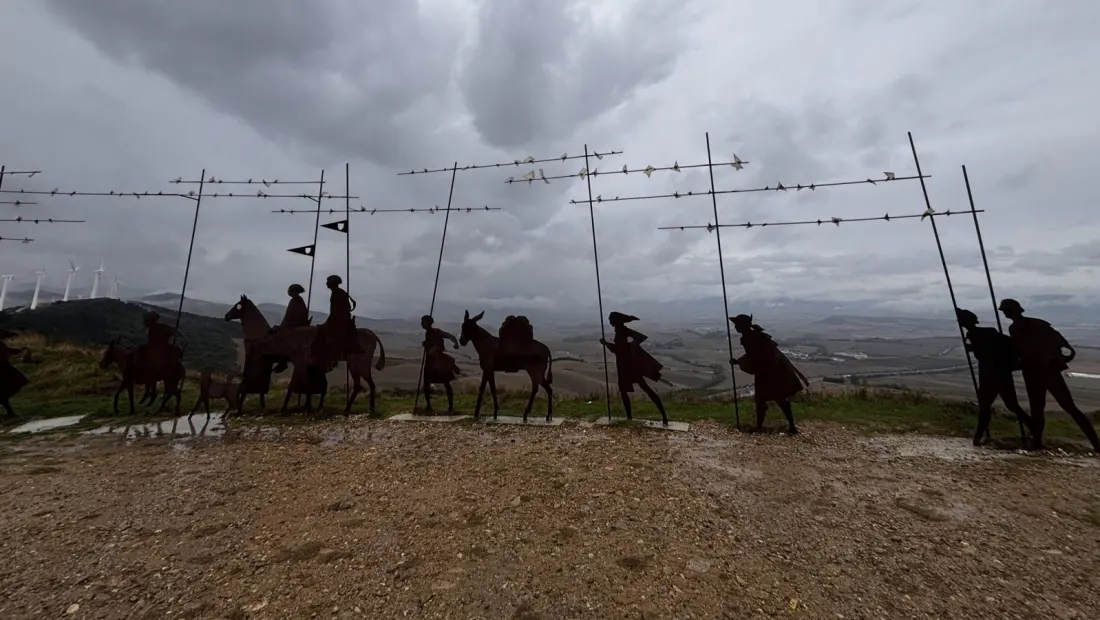
Somewhere between Pamplona and Puente la Reina, on day 11 of a Camino de Santiago pilgrimage, one hiker's diary captures exactly why this ancient route keeps pulling people in — and it's not the miles.
The day started early at a donativo albergue, a donation-based hostel where nobody is allowed to wake before 6 am. The writer, who came to the trail carrying what they describe as religious wounds from an evangelical upbringing, spent the quiet hour journaling while rain hammered the roof. A recurring theme: on the Camino, the Church serves pilgrims rather than preaching at them, an approach they found unexpectedly healing.
Then came the wet part. The first hour out of Pamplona was a full soaking — water in the shoes, rain dripping off the hood. Instead of the usual dread, the writer chose gratitude: a warm bed was waiting at the end of the day. The fields beyond the city, stacked high with hay bales, eventually came with a break in the weather.
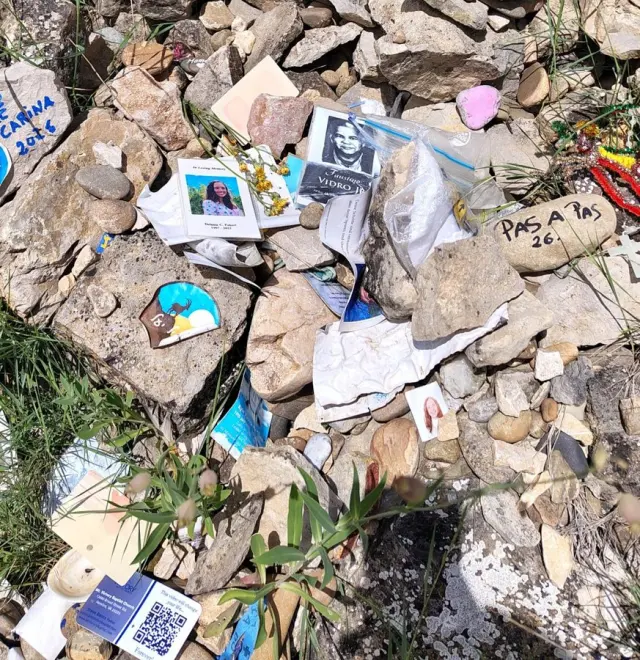
The middle of the day brought two small, memorable moments. First, a rock plucked from a ploughed field — the writer's chosen stone for the tradition at Cruz de Ferro, where pilgrims later deposit a carried object to symbolise letting go of a burden. Second, a colony of snails crossing the path, an impromptu lesson in slowing down and stopping the mental maths over miles, money and friendships.
The highlight was a 2.5 km detour off the official route to Santa Maria de Eunate, a mysterious octagonal 12th-century chapel whose original purpose is still debated. The approach is a sensory warm-up — fields of red peppers and mint, birdsong from the orchards. Local lore says pilgrims once walked the outer courtyard barefoot, sometimes a hundred or two hundred times, praying for healing. Access to the courtyard costs a small fee, so the writer prayed outside instead and called it the most profound prayer they'd had in a long time. Bonus: a stray dog found by fellow pilgrims adopted the group for a few joyful minutes.
The day ended in Puente la Reina at El Albergue Padres Reparadores, with a €15 grocery haul (eggs, broccoli, sweet potato, beets, peanut butter) and hours of conversation, wine and tiramisu with trail friends nicknamed "the dads."
Why it matters for travellers: this stretch of the Camino Francés shows the route's real appeal — quiet hospitality, centuries-old rituals you can join for free, and detours like Eunate that most itineraries skip. You don't need to be religious to feel the pull; the infrastructure of donation albergues, cheap pilgrim menus and small-town bars makes it one of Europe's most accessible long-distance walks. Budget roughly €25-40 a day, walk in sturdy waterproof shoes, and don't rush. As the snails suggest, the point isn't the finish line.