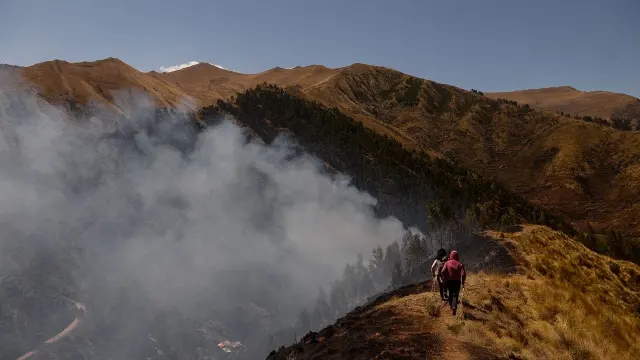
A record-strength El Niño is building toward a peak in late 2026, and the effects are already hitting destinations travellers care about. Peru has seen heavy rains, flooding and restricted access to Machu Picchu, while Indonesia is battling wildfires tearing through orangutan habitat. Sea surface temperatures in the Pacific are running about 3°C (5.4°F) above baseline, well past the threshold for a very strong event, and experts expect one of the most intense climate disruptions ever recorded.
The history here is sobering. Past Super El Niños have driven global catastrophes: the 1876-78 famine killed an estimated 50 million people, events in the 1980s and 90s wiped out 15 percent of the world's coral reefs, and Galápagos penguin populations collapsed. Despite warnings from the World Meteorological Organization, the multi-trillion-dollar travel industry has largely stayed silent — no 'business as usual' messaging from UN Tourism, and little acknowledgement from major operators. Writer and regenerative tourism expert Susanna Kelly-Shankar argues that's partly because travel is built on a promise of abundance: perfect seasons, unlimited resources, reliable transport. Admitting otherwise is bad for business.
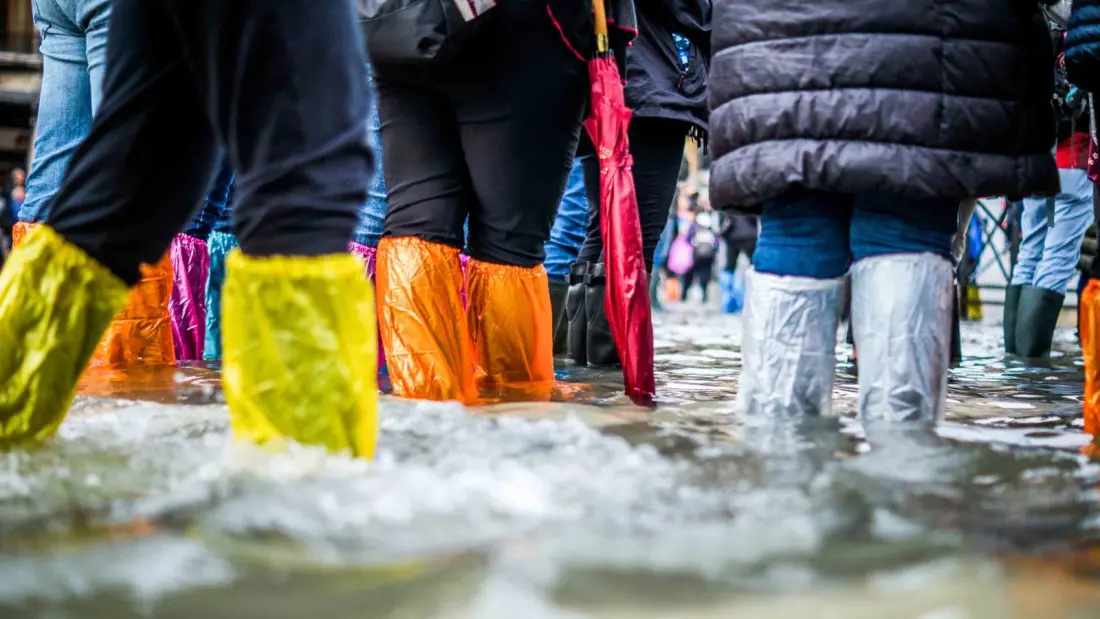
For travellers, the practical impacts are real. Shifting jet streams and extreme heat mean flight delays; floods and landslides can destroy roads and rail lines; droughts strain local water supplies and push up costs, creating friction between visitors and host communities. Ski resorts may see thin snowpack, reefs may be bleached, and famous sites can close at short notice.
Kelly-Shankar's advice centres on a mindset shift she calls 'decentering' — recognising that for locals, the same storm that cancels your flight destroys homes and crops. Her suggestions are refreshingly concrete. Search 'El Niño impacts in [destination]' before you go, and adjust accordingly: shorter showers in drought zones, homestays instead of water-hungry resorts, local restaurants over buffet excess, small community-led tours rather than motorised excursions. Hotel guests can use up to eight times more water than local residents, so small swaps matter.
Risk management matters too. Book flexibly, take comprehensive travel and health insurance, register your trip with your government, and follow local warnings and evacuation orders — even if that means cutting a trip short. Consider shifting dates to shoulder seasons to dodge extreme heat, or rerouting away from tropical storm zones. And if your trip goes ahead in a welcoming destination, one idea stands out: donate one percent of your trip cost directly to local resilience projects like reef or mangrove restoration, rather than buying vague carbon offsets.
The bigger question the piece poses is worth sitting with before booking anything in the coming year: will your presence help a struggling local economy recover, or will it compete for scarce water, beds and food? There's no playbook for travelling through a Super El Niño, but flexibility, insurance, local sources of information and a bit of humility go a long way.