Walking the Camino de Santiago isn't all sunlit paths and gentle epiphanies. A recent diary from a repeat pilgrim walking France's classic route through Spain's León province shows the messy, human reality — pre-dawn starts in the dark, a yellow-blazed bus ride past nine miles of industrial sprawl, a 50-euro taxi after an injury, and a bruised toe that forced a rethink of the whole trip.
The stretch into León, the Meseta's big reward city, turns out to be more road-walking than the author remembered — a recurring theme, since returning pilgrims often find the route feels stranger than expected. León itself delivers though: the 12th-century cathedral is described as genuinely awe-inspiring, and the city makes a natural 'zero day' (trail slang for a rest day). The writer's version involved a massage, people-watching over hummus and salad in a plaza, and naps — plus a very practical Spanish trick: the 'pilgrim parcel service', which forwards unneeded gear (here, about 2.5 lbs including a new silk dress) straight to Santiago, with staff even stamping the pilgrim credential.
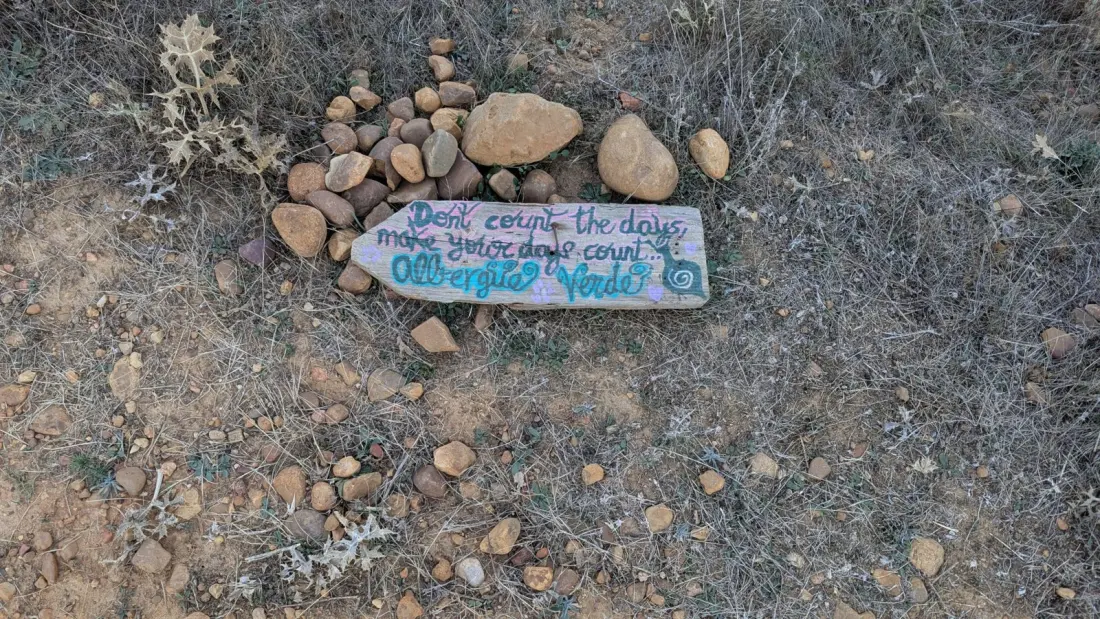
Things went sideways leaving León. A fall down dark stairs left a badly bruised big toe; six more miles of quiet gravel farm tracks were enough. A taxi covered the final seven miles to Hospital de Órbigo and Albergue Verde, a laid-back hippie albergue serving a donation-based vegan dinner — lentil soup, garden salad, apple cake from its own trees. It turned into one of the trip's best nights: an hours-long singalong with young American and Irish pilgrims, guitars, camp songs and Irish ballads.
Astorga, the next stop, came with a cautionary note. The Franciscan-run pilgrim albergue there is a gem — private-ish rooms, a monk checking passports, a homily about making the most of what may be your only Camino — but the cafes ringing the cathedrals are tourist traps with ratings as low as 1.8 on Google Maps, closed between 5 and 8 p.m. The lesson: eat where locals do, and time your evening around the Spanish closure hours.
For anyone planning the Camino Francés, this stretch is a good preview of its rhythms: long road sections across the Meseta, cities built for rest and resupply, albergues that range from austere to heart-warming, and a trail community that absorbs and returns you to itself. It also makes clear you don't have to walk every mile — buses and taxis are normal tools, and 'yellow-blazing' a few kilometres carries no shame. Pack light enough to forward a package, build in a zero day in León, and maybe learn a couple of camp songs before you go.
Story via The Trek.