One of Zagreb's most recognisable cultural buildings is back in business. The Mimara Museum reopens to the public on 7 November following six years of restoration work costing around €75 million — one of the biggest cultural-building projects the Croatian capital has seen in recent years.
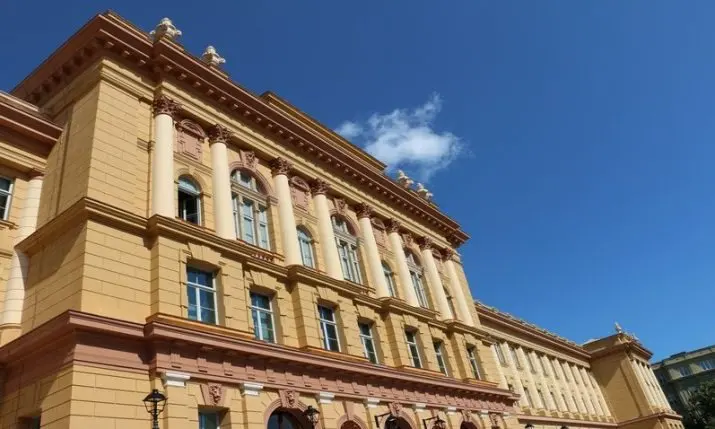
The long closure was down to earthquake damage, a problem that has hit much of central Zagreb since the tremors shook the city. The restoration brought back the building's original yellow façade and reinstated decorative details both inside and out. It wasn't just about bricks and mortar, though: the museum has also rehung its permanent collection in a fresh display designed to blend the historic setting with a more contemporary approach to how the works are presented.
The collection itself is the gift of Ante Topić Mimara, who donated roughly 3,800 works of art to the Croatian people, spanning a wide range of artistic periods and traditions. The building is a landmark in its own right: completed in 1895 during a construction boom that followed Zagreb's devastating 1880 earthquake, and home to the museum since 1987.
At the reopening ceremony, Mayor Tomislav Tomašević framed the project as part of a wider push to revive the city's museums. The Croatian Natural History Museum has already finished its own renovation and extension, the Museum of Arts and Crafts is mid-reconstruction and due back in its renovated home in 2027, and the Croatian School Museum has secured a permanent spot at Starčević House, where a new Children's Culture House is also planned.
For travellers, this is a good reason to put Zagreb's museum quarter back on the itinerary. The Mimara sits in the heart of the city, its monumental façade has anchored the centre for more than a century, and its reopening means one of Croatia's most significant art collections is finally viewable again after a six-year wait. The news also signals that the capital's post-earthquake recovery is visibly moving along — handy to know if you visited in the past decade and found key buildings fenced off.
One caveat before you book anything: opening hours, ticket prices and the full exhibition programme haven't been detailed in full, so check directly with the museum before planning a visit.