As the region gears up for COP31, one voice from central western Queensland is arguing that climate solutions should start with the people who have managed the land for tens of thousands of years. Suzanne Thompson, who lives on Inangai country and runs the Yumbangku Aboriginal Cultural Heritage and Tourism Development Aboriginal Corporation (YACHATDAC), sits on the Indigenous Carbon Industry Network and is the first Indigenous member of Australia's Emissions Reductions Assurance Committee.
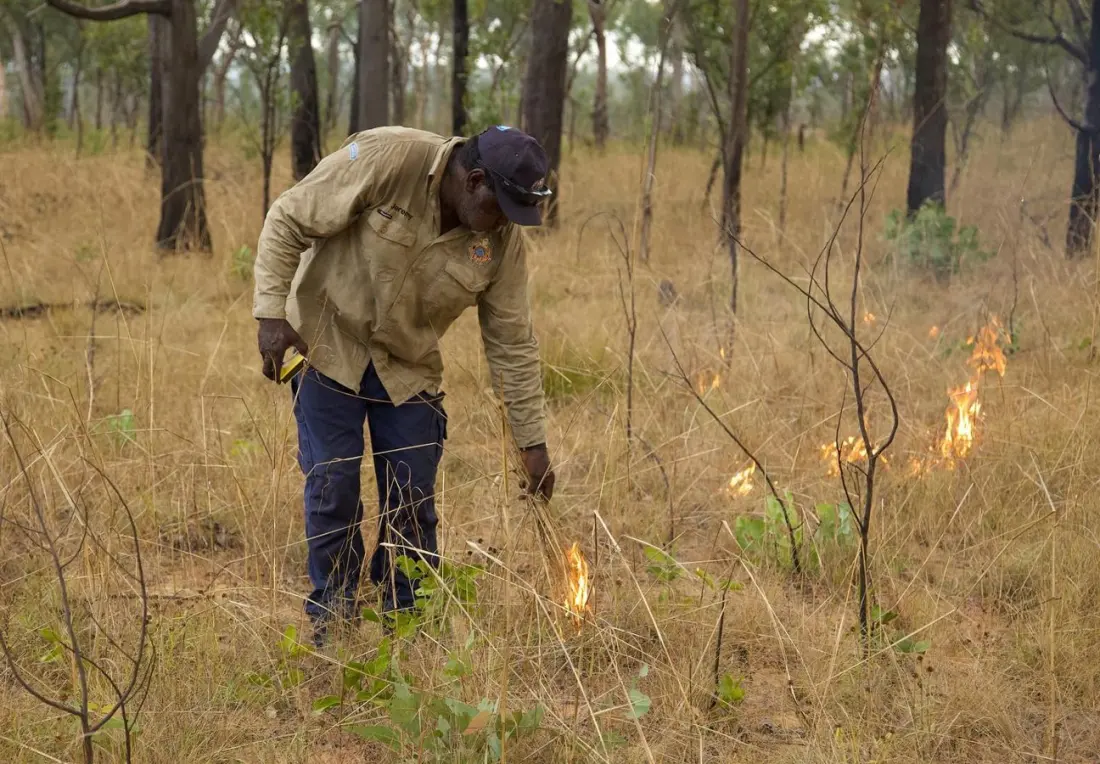
Her focus is "right way fire" — cultural burning done in cool seasons with traditional knowledge, which prevents destructive hot fires and locks carbon into the soil as biochar. The Savanna Fire Method, built on these practices across northern Australia's savannah country, is what Thompson describes as the first carbon method approved by the Australian Federal Government. She says a collective in Arnhem Land generates up to $60 million a year in carbon credits, and that projects grounded in cultural integrity earn more — $50 to $80 per credit compared with $35 to $38 for a standard Western-run project.
The network around this work has grown fast. Its annual forum in Darwin, where Indigenous rangers and knowledge holders swap stories and strategies, has expanded from 70 to 600 attendees. Beyond fire, Thompson points to blue carbon — restoring coastal wetlands and replanting grasses — and to hands-on projects like Nupitji Nupitji, which removed 2.5 metres of silt from a sacred waterhole on her country. The name means "you give me, I give you": a reciprocal relationship between people and land.
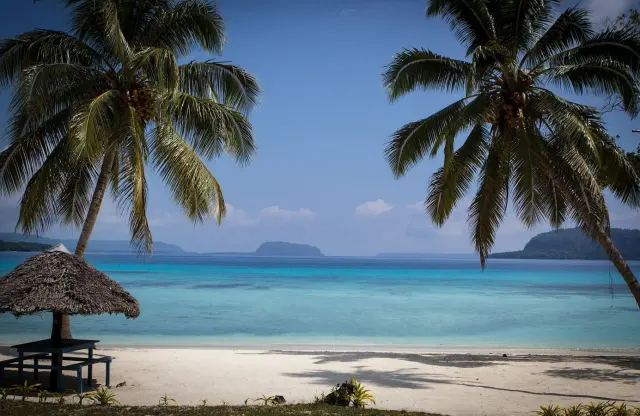
For travellers, this is a reminder that Indigenous tourism operators across Australia and the Pacific offer something you can't get from a guidebook: the chance to hear directly from practitioners still carrying living knowledge. Thompson's own point is that science sometimes catches up rather than leads — astrophysicists who visited the Seven Sisters Law star story etched into five kilometres of escarpment on her land confirmed what her people already knew. She also flags Fiji as a place where similar ash-returning burns and regular waterway cleaning could be explored, an idea worth watching as COP31 negotiations unfold.
Her message to Pacific communities weighing carbon projects is to value their knowledge as a currency: don't come to the table at the end, come at the beginning, and make sure the projects are fully Indigenous-owned. "We haven't gone anywhere," she says. "We're here to stay."