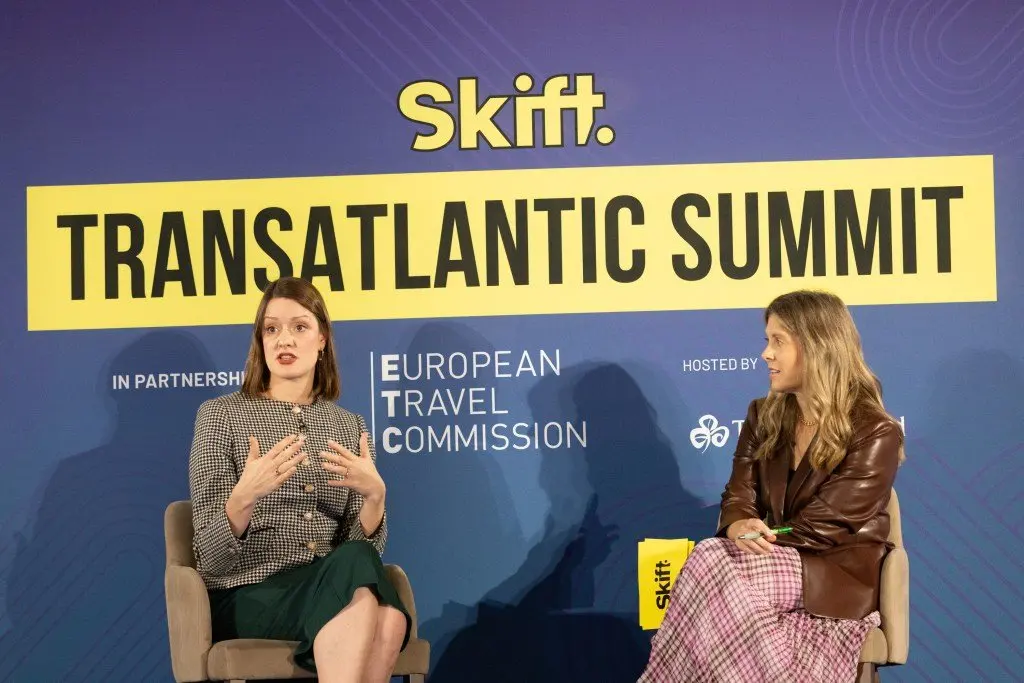
Ireland's North American visitor numbers keep climbing — arrivals up 5% so far in 2026, with spending up 10% — but the mood is shifting. Speaking at the Skift Transatlantic Summit, Tourism Ireland chief executive Alice Mansergh described a recent softening in bookings as travellers weigh higher costs and economic jitters, increasingly demanding flexible or refundable options. Her response is a strategy built on four fronts: marketing, air routes, AI visibility and authentic experiences.
The air connectivity piece may be the most fragile. Jet fuel costs have jumped and fewer Europeans are flying to the US, so airlines are reassessing which transatlantic routes still make money. Mansergh's blunt summary of the challenge: "fill the planes to keep the planes." Since healthy two-way traffic keeps routes viable, weaker European outbound travel puts the very flights bringing North Americans to Ireland at risk. Tourism Ireland works directly with carriers to promote strategic routes and stimulate inbound demand.
Diversification is the hedge. North America accounts for just over a third of Ireland's overseas tourism revenue, Europe roughly another third, and Britain — whose visitors are twice as likely to return — offers further upside. Mansergh's line on the matter was clear: now is not the time to depend on any single market.
The newer front is generative AI. Tourism Ireland's research shows the share of people naming AI as their main source of travel inspiration has doubled in the past year. The organisation has optimised its content accordingly, and says it now contributes to answers for 19% of destination queries across ChatGPT, Claude and Gemini. The aim is nudging AI recommendations toward lesser-known attractions and local businesses. A case study in shaping the conversation: promoting Halloween's roots in the ancient festival of Samhain across Reddit, YouTube and Tripadvisor to build a "surround sound" of favourable chatter.
Underpinning it all is the product itself. The new "Ireland Goes Beyond" campaign leans on scenery, heritage and local experiences — sheepdog demonstrations, cider farms, traditional currach boat-building — which also spread visitors beyond the usual hotspots. Mansergh's framing: as everything gets more digital, people crave "authentic touch and feel real moments" more, not less. For 2027, expect continued focus on connectivity, year-round travel and emerging trends like "cool-cations."
For travellers, the practical upshot is that Ireland is actively pushing shoulder-season trips, regional experiences and flexible bookings — all of which suit anyone planning a 2027 trip on a sensible budget. If you've been sitting on an Ireland wishlist, the push to keep routes busy means good flight availability and itineraries that go well beyond the Ring of Kerry.