Los Angeles gets the movies and San Francisco gets the bridges, but Sacramento quietly gets on with being one of California's most rewarding city breaks. The state capital sits in the Central Valley where the Sacramento and American rivers meet, and it wears its history and its food obsession with equal confidence.
The city owes its existence to the Gold Rush. Back in the 1840s, Swiss settler John Sutter built Sutter's Fort as a farming hub, until gold turned up at his mill and roughly 300,000 people poured into California chasing a fortune. Sacramento, sitting right at the gateway to the goldfields, became the state capital in 1854, just four years after California joined the Union, and later headquartered the Central Pacific Railroad and the eastern end of the First Transcontinental Railroad.
That story is easy to dig into today. The California State Railroad Museum displays beautifully restored steam locomotives and covers everything from the transcontinental line to the Chinese labourers who built it. The Sacramento History Museum, housed in a replica of the 1854 City Hall, tackles Indigenous heritage and Gold Rush legends, while the California State Capitol itself runs free guided tours through a grand Neoclassical building.
But the bigger draw in 2020s Sacramento is what's on the plate. The city has trademarked the title 'America's Farm-to-Fork Capital', and with over 600,000 hectares of surrounding farmland producing at least 160 crops — peaches, tomatoes, rice, wine grapes, cheese — the claim holds up. Chef Patrick Mulvaney of Mulvaney's B&L says more than 80% of his vegetables come from within 100 miles of the city, and that the seasons literally write his menu. Other tables worth booking: The Kitchen, with its upscale themed tasting menus, and Ella Dining Room and Bar for small plates and regional wines. On Saturdays, the Midtown Farmers' Market — one of the largest in the US — takes over with produce and baked goods. Locals also recommend Soil Born Farms, an urban agriculture project where you can meet the growers themselves.
For culture, the Crocker Art Museum is the oldest art museum west of the Mississippi, with a collection that swings from Native American works and European masters to Gold Rush-era pieces and contemporary art.
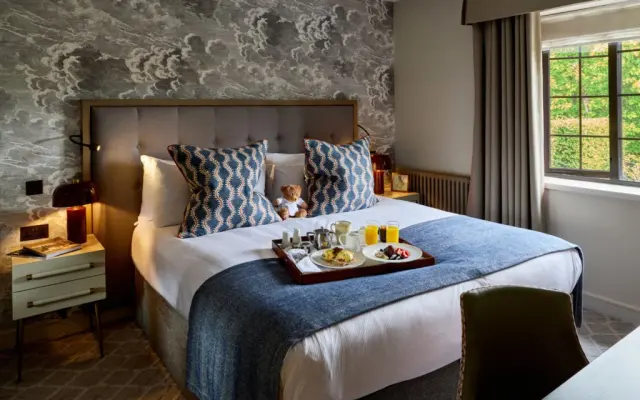
Where to sleep? The Citizen Hotel is a fun choice: it was Sacramento's first skyscraper, originally an insurance building, and now trades on marble lobbies, soaring arches and political portraiture. Its downtown spot puts you steps from César Chávez Plaza and the Capitol.
Sacramento suits travellers road-tripping through Northern California who want a genuine city with serious food and a layered backstory, without San Francisco prices or crowds. Come hungry, pace yourself across two or three days, and let the farmers' markets set the itinerary.