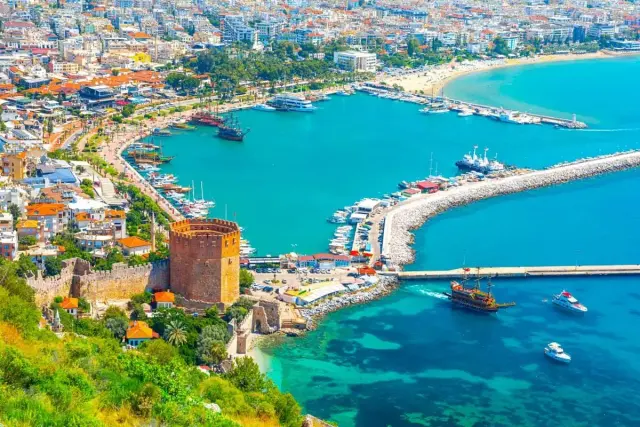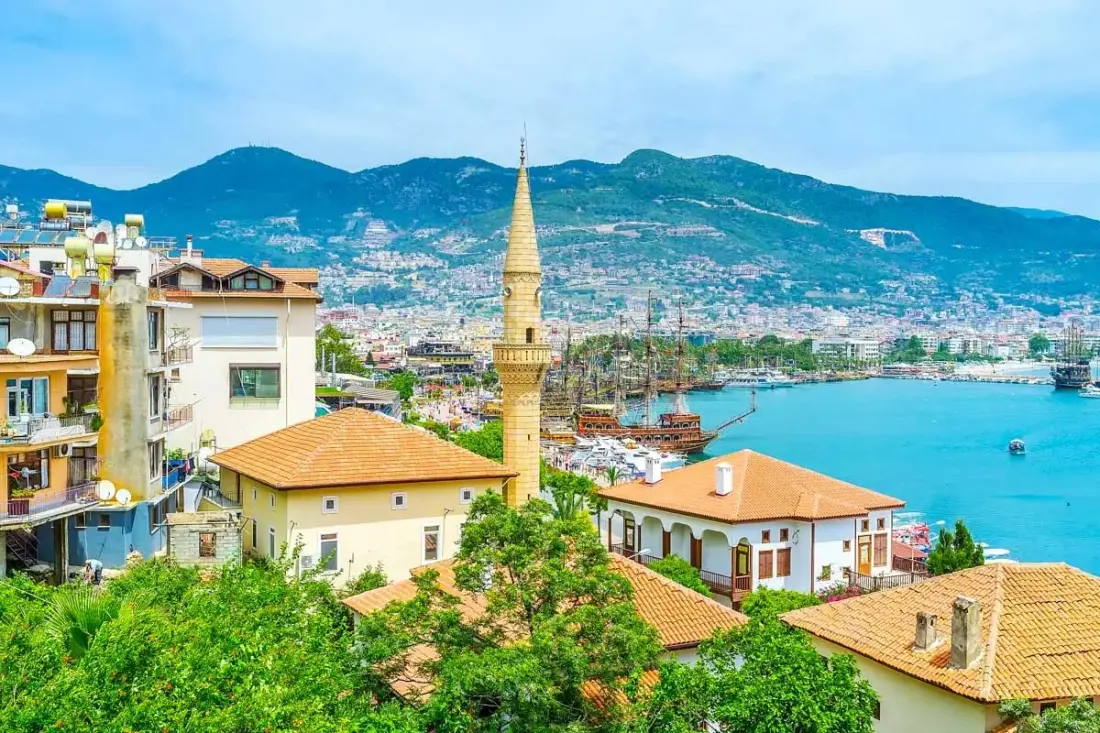
Antalya has a reputation as a fly-and-flop destination, and yes, the Mediterranean beaches here are genuinely good. But travellers who never leave the shoreline are missing half the story. Turkey's southern coast packs in Roman theatres, cascading waterfalls, a photogenic old town and one of the country's most surreal natural sights — all within easy reach of the city.
The headline day trip is Pamukkale, roughly three hours away. Its name means "cotton castle", and the white limestone terraces, formed over millennia by mineral-rich thermal water, look almost otherworldly. Next door sits Hierapolis, an ancient Roman spa city with a huge theatre and one of the largest necropolises in the region. There's also Cleopatra's Pool, where you can swim among sunken stone columns for an extra fee — though check ahead, as it's not always open. It's a long day, so an organised tour with transport and lunch included takes the strain out of it.
Closer to home, a full-day loop covers three ancient sites: Perge with its Roman streets, Aspendos and its remarkably intact 2,000-year-old theatre, and the coastal town of Side, where the Temple of Apollo stands right above the sea. Most tours add a stop at Manavgat Waterfall and lunch.
In the city itself, start with Kaleiçi, the old town of narrow lanes, bazaars and the Roman Hadrian's Gate, dating to the 2nd century. A guided walking and tasting tour ends with irmik helvası, a warm semolina dessert served with ice cream and tahini. The Düden Waterfalls are another essential: the Lower Düden drops straight off a cliff into the sea, while Upper Düden and Kurşunlu sit in green parkland. Pair them with an hour-long boat cruise from the old marina for the best cliff-line views of the city.
Then there's the beach time — Konyaaltı for pebbles and mountain views, Lara for golden sand and beach clubs, and tiny Mermerli tucked under the old town cliffs (small entry fee). If you have a car, Patara's vast turtle-nesting beach or the cliff-ringed cove of Kaputaş, three hours away, justify the drive. Back in town, round things off with a traditional hammam scrub-and-foam massage, a mosaic lamp workshop, paragliding, or sunset from Karaalioğlu Park.
A few practical tips: grab an AntalyaKart for buses and trams instead of relying on taxis, and carry small lira notes — some public toilets charge, and market stalls are cash-and-haggle territory. July and August are scorching and packed, so aim for April–May or September–October for comfortable sightseeing weather. With three days you can comfortably combine a city tour, old-town wandering with beach time, and one big day trip to the ruins.
It's a solid pick for travellers who want a proper beach holiday that doesn't come at the expense of history and day trips — Antalya lets you have both without ever changing hotels.