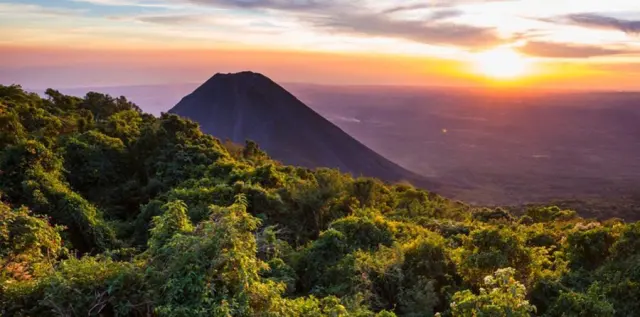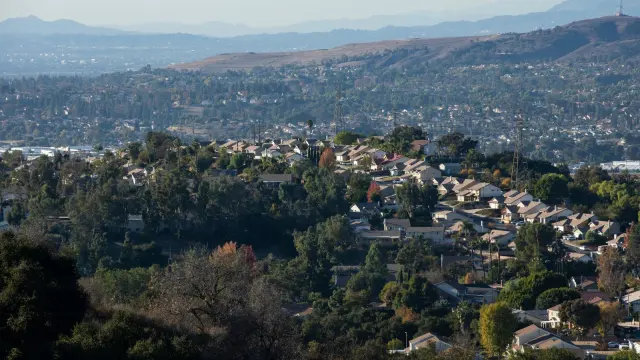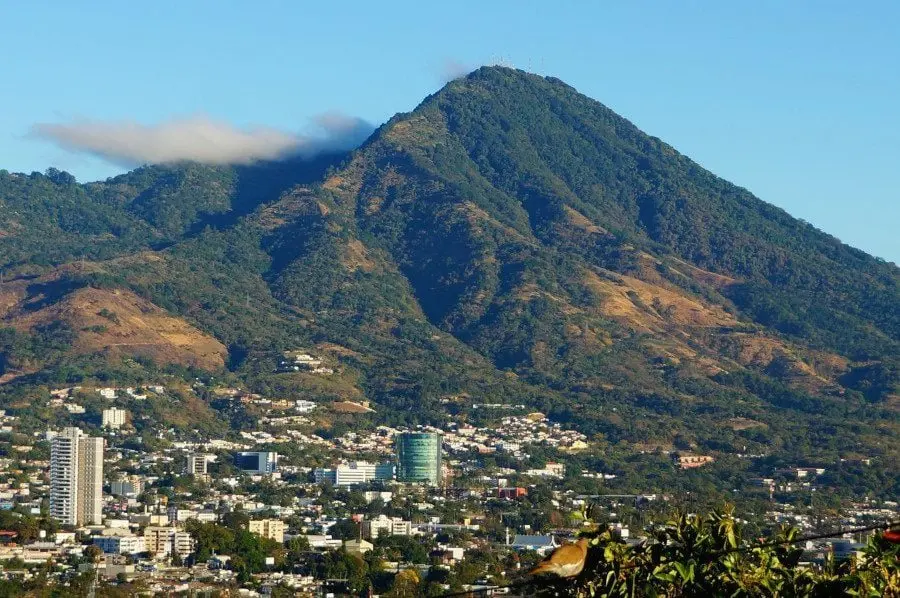
Just northwest of San Salvador, a green bulk rises over the city's sprawl: the San Salvador Volcano, also called Quezaltepeque Volcano. At roughly 1,893 metres, its El Picacho peak is part of the skyline most Salvadorans see daily, yet plenty of visitors skip it in favour of the country's more remote cones. That's a mistake, because this is one of the easiest volcanoes in El Salvador to actually visit.
The headline attraction is El Boquerón, the volcano's main crater, around 1.5 kilometres wide and 500 metres deep. Peering into it, you'll spot a smaller cone inside called Boqueroncito, a reminder of the eruptions that shaped this complex, multi-peaked mountain. El Boquerón National Park, at the summit area, provides marked walking paths and lookout points over the crater. Note the distinction: the park covers only the crater zone, not the entire volcanic complex, so a park visit isn't the same as exploring the whole massif.
History here is dramatic. The volcano's last documented eruption came in June 1917, when lava poured from fissures on its northwestern flank while activity also reached the summit crater. It's still classed as an active system, just a quiet one. For a closer look at that fiery past, head to the El Playón lava fields, where hardened black lava from eruptions in 1658 and 1917 creates a stark, photographic landscape very different from the forested crater rim.
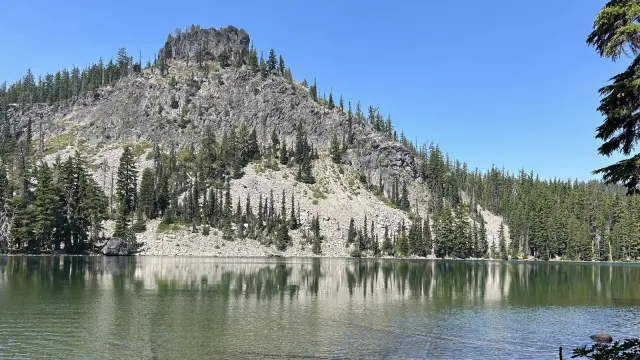
Beyond geology, the mountain offers what locals actually come for: cool air, mountain roads, and weekend restaurants overlooking the capital. Elevation keeps temperatures noticeably lower than in the city, and the forested slopes shelter birds, ferns and small mammals, making it a decent birdwatching bet outside busy periods.
Practically, the trip is simple. The road towards El Boquerón climbs from San Salvador's developed outskirts into the hills, workable as a morning excursion or a lazy half-day. Aim for the dry season, November to April, for the clearest crater views, and go early, since afternoon clouds and mist can swallow the viewpoints even in good months. Pack walking shoes, water, sunscreen and a light jacket for the chill at the top, stick to marked trails, and check access conditions before attempting any unofficial hikes.
Who's this for? Anyone basing themselves in San Salvador who wants a genuine volcanic experience without a marathon drive. It pairs well with nearby Ilopango Caldera or the Santa Ana Ilamatepec Volcano if you're building a volcano-hopping itinerary.