Every backpacker knows the scenario: you wake up to a tent soaked through with condensation or overnight drizzle, and you have two options — sit around waiting for it to dry, or stuff the soggy thing into your pack and hope for the best. A recent Backpacker guide argues you don't have to choose between a slow morning and a wet, mildewing shelter. The trick is building small drying moves into your day.
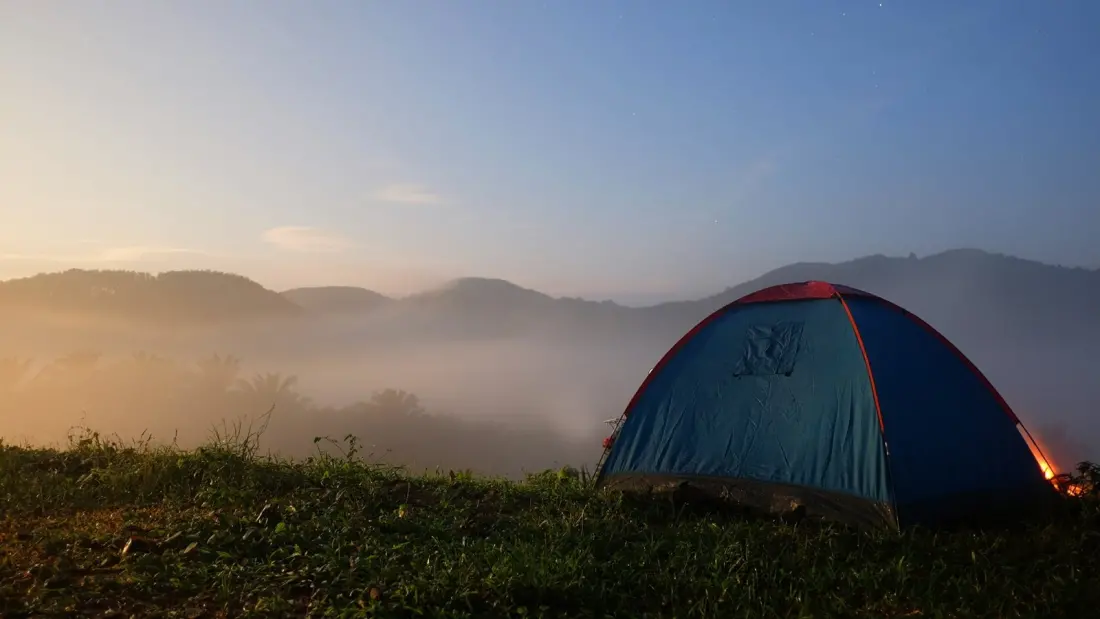
Start the night before, the author suggests. Pitching in a gully, beside water, in tall grass or any other enclosed, low-lying spot is a recipe for heavy condensation thanks to higher humidity and ground moisture. Open ground and airflow are your friends — if your tent has vents and the weather allows, prop them open overnight or leave the fly partially open.
In the morning, don't fold a dripping tent straight into your bag. Grab a partner, hold the corners, and give it a hard snap, like shaking out a giant gym-class parachute. Most of the water flies right off. Then wipe down soggy corners and muddy patches with a camp towel (an old sock works in a pinch) — this keeps dirt from grinding into the fabric and degrading it, and makes the tent far more pleasant to crawl into that night.
If it's still damp when you pack up, make your lunch break do double duty. Time your main stop for the warmest, sunniest part of the day, spread the tent flat in an open, breezy spot, and anchor the corners. Draping sections over brush, branches or rocks boosts airflow, and a quick shake now and then clears re-forming droplets. No time to stop? Fold the fly into a large square and strap it under the Y-straps on top of your pack so it drapes down your back and catches moving air while you hike. Flip it each time you stop for water.
The last move happens at the end of the day: instead of flopping down the moment you arrive, set the tent up first and position it for the last of the afternoon sun, or drape the body and fly over sturdy bushes while you rest. This routine isn't just about comfort. Persistent damp leads to mildew and that stubborn musty smell, and packing dirt-wet fabric shortens a tent's working life — a real problem when a decent shelter costs hundreds of dollars or euros.
Why it matters: for anyone planning a multi-day trek — whether it's the Tour du Mont Blanc, a thru-hike or a wet-weekend trip in the hills — these habits mean earlier starts, faster days and gear that lasts seasons longer. Condensation management is one of those small skills that separates a smooth trip from a clammy, miserable one.