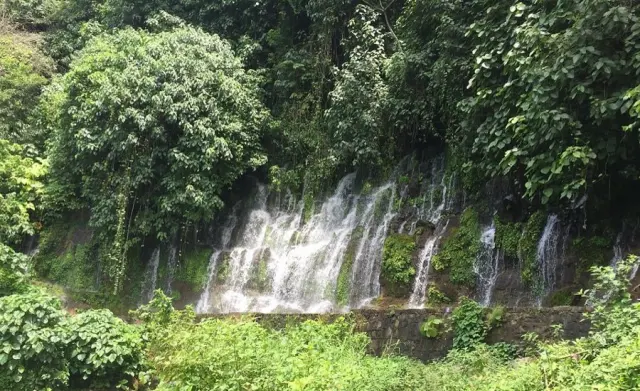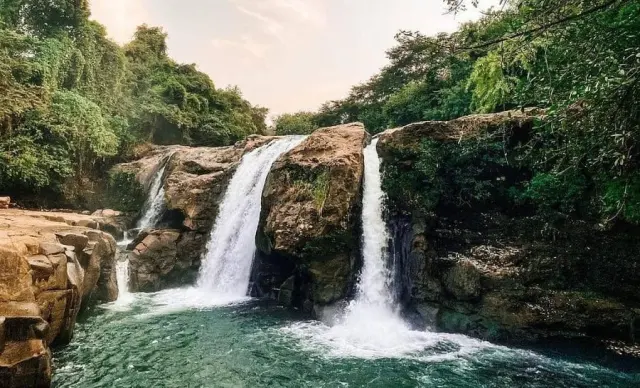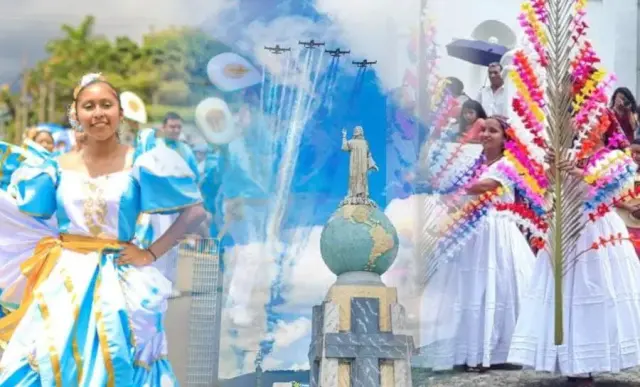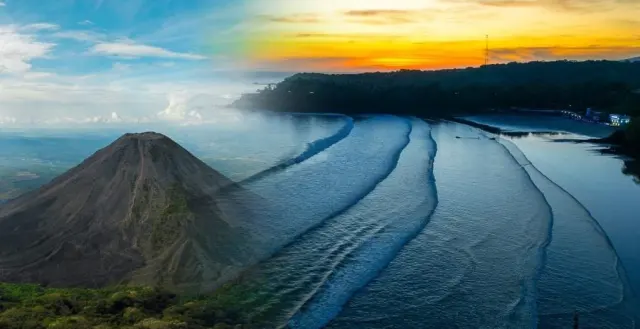
El Salvador is the smallest country in Central America, but its protected areas cover an impressive range: smoking volcanoes, misty cloud forest, tropical dry forest, and mangrove-lined bays. For travellers who like hiking, birdwatching and photography, it's possible to experience several very different ecosystems within a single trip.
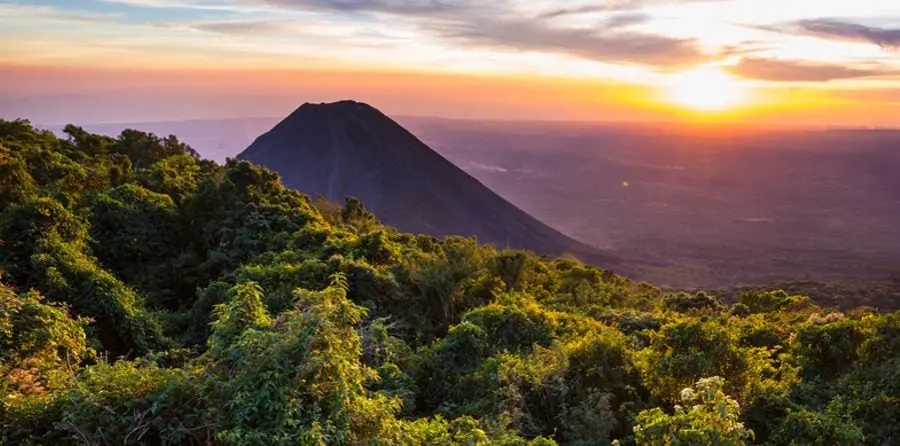
The standouts are easy to name. El Boquerón National Park sits right on the San Salvador Volcano, minutes from the capital, and its enormous crater — with a smaller cone inside it — can be admired from short trails and viewpoints, making it an easy half-day outing. Cerro Verde National Park, in the west, is the classic volcano base: cool mountain air, forest walks and sweeping views of Izalco and Santa Ana (Ilamatepec), plus it's the usual starting point for guided hikes up Santa Ana. The surrounding Los Volcanes National Park ties these volcanic landscapes together, so the two are best planned as one visit.
For something wilder, El Imposible National Park in Ahuachapán protects one of the country's most significant stretches of tropical forest, with rugged trails, birds, mammals and reptiles — though some routes require an authorised guide and advance planning. Montecristo National Park in Santa Ana is even more distinctive: a high-altitude cloud forest of moss-draped trees and ferns, part of the Montecristo-Trifinio region where El Salvador, Guatemala and Honduras meet. Access is controlled, so confirm permits and guide requirements before you go.
The coast offers its own version. Walter Thilo Deininger Natural Park in La Libertad, near the Surf City corridor, protects tropical dry forest where the scenery shifts dramatically between rainy and dry seasons. Further south-east, the Bahía de Jiquilisco in Usulután is a vast wetland of mangroves, estuaries and islands — important habitat for migratory birds and sea turtles — best explored on guided boat trips and community-run tours.
Closer to San Salvador, lighter options abound. Bicentenario Park protects one of the last forested patches in the capital's metro area and has trails and cycling paths; Balboa Park and the dramatic rock formations of Puerta del Diablo sit nearby in Los Planes de Renderos, alongside traditional Salvadoran food; and El Espino Eco-park on the volcano's slopes offers shaded hiking and mountain biking. One practical note: not every park labelled a "natural park" has official protected status, and rules differ — check access requirements, services and guide policies before setting out.
Why it matters for travellers: El Salvador rewards people who want big natural variety without long distances. You can hike a volcano crater in the morning and be on a Pacific surf beach by afternoon, or swap cloud forest for mangrove boat rides within a few hours' drive. It suits active couples, birders and photographers, as well as families who'd rather stick to the gentler recreational parks near the capital. Guided hikes, especially for Santa Ana Volcano, El Imposible and Montecristo, are the safest way to see the remote areas properly.