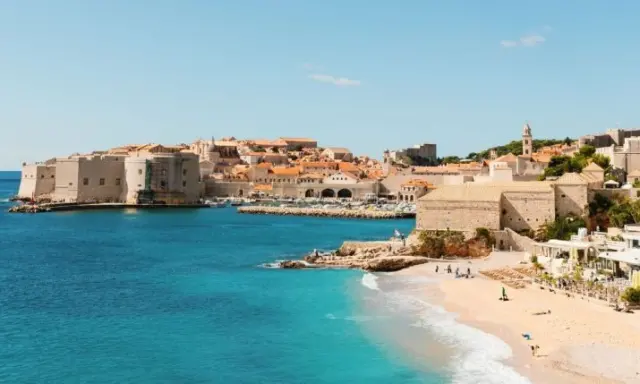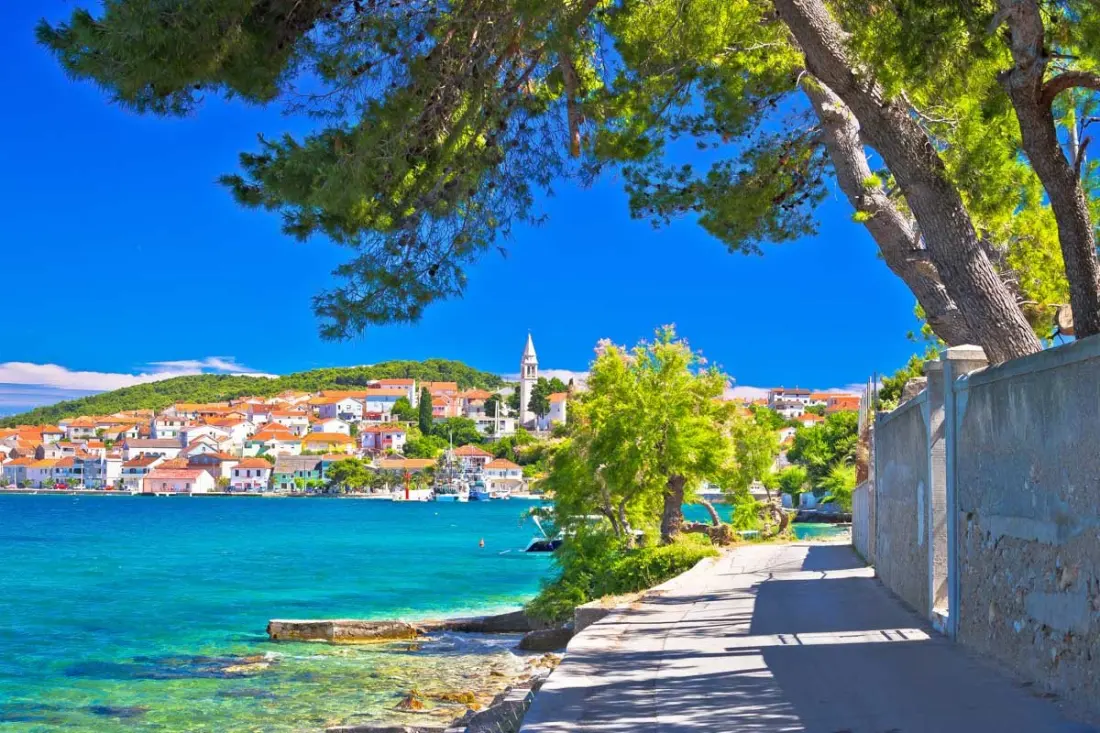
Most visitors to Croatia head straight for Split or Dubrovnik. Zadar, halfway up the Dalmatian coast, offers the same mix of Roman history and Adriatic swagger with fewer crowds — plus one attraction you won't find anywhere else: a Sea Organ that turns waves into music.
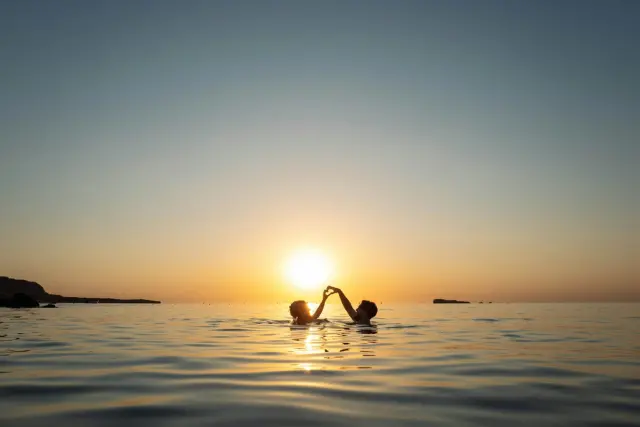
The Sea Organ sits on the waterfront near the Old Town, where hidden pipes under the stone steps push air through the structure as waves roll in, producing soft, shifting tones. Next to it, the Greeting to the Sun is a circular display of solar-powered panels that glows in a synchronized light show after dark. Locals and travellers gather on the steps at sunset with a gelato — it's the city's nightly ritual and completely free.
Zadar's Old Town is compact and walkable, packed with Roman ruins, medieval churches and the grand Land Gate. A small-group walking tour typically covers the forum ruins, the waterfront installations and finishes with a tasting of Maraschino, the cherry liqueur that has been produced in Zadar for generations. The Museum of Ancient Glass is another worthwhile stop for something out of the ordinary.
The real draw, though, is what's within day-trip range. Plitvice Lakes National Park, with its turquoise lakes, wooden walkways and cascading waterfalls, is reachable on a full guided tour from Zadar that includes time at both the upper and lower falls, plus a boat crossing and an optional Old Town walk on the way home. Closer to the city, Krka National Park offers similar waterfall country. On the water, small-group speedboat tours island-hop to spots like Blue Bay Otrić for swimming and snorkelling, Ošljak — Croatia's smallest inhabited island, with a short but steep hike through olive groves — and Preko, where you can swim out to the Galevac islet or just nurse an espresso by the harbour. Boat trips to Kornati National Park run from the city too.
If all that sounds tiring, Kolovare Beach is minutes from the Old Town. It's pebbly rather than sandy, so pack water shoes, and there are showers, cafés and kayak rentals on hand. Back in town, Kalelarga and the surrounding lanes cover the shopping, and the food scene leans heavily on excellent Adriatic seafood.
A practical two-day rhythm: day one for a speedboat island hop, then Old Town and sunset at the Sea Organ; day two either for Plitvice or a slower mix of beach, food and an evening cruise. Base yourself near the Old Town — everything is on foot, and Uber works well for anything farther out. Cards are accepted nearly everywhere (Croatia uses the euro), but keep some cash for market stalls and tips. Aim for late May or early September: the weather is warm, prices are lower and the summer crowds haven't arrived.
Zadar suits travellers who want history, islands and good food without the cruise-ship intensity of Croatia's bigger names — and a sunset score played by the sea itself.
Story via Destinationless Travel.