A road marathon leaves most runners hobbling for days. Surprisingly, a new French study suggests that a trail marathon of equivalent effort may do noticeably less damage.
Researchers at Université Jean Monnet Saint-Étienne, led by Mélanie Metra and trail-running specialist Guillaume Millet, compared 46 runners across three challenges: a treadmill road marathon, a treadmill trail marathon, and a real trail marathon. Each trail version covered 28K with 1,400 metres of vertical gain and loss, using a rule of thumb that 100 metres of climbing equals an extra kilometre of flat running to match the effort of a standard 42K marathon.
The result flipped expectations. The road group lost more quadriceps strength, showed higher blood markers of muscle damage such as creatine kinase, and reported more soreness — with strength deficits still detectable two days later. Both trail groups, whether on a treadmill or rugged outdoor terrain, bounced back faster. Even more surprising: the steep downhills didn't cause the damage many would predict.
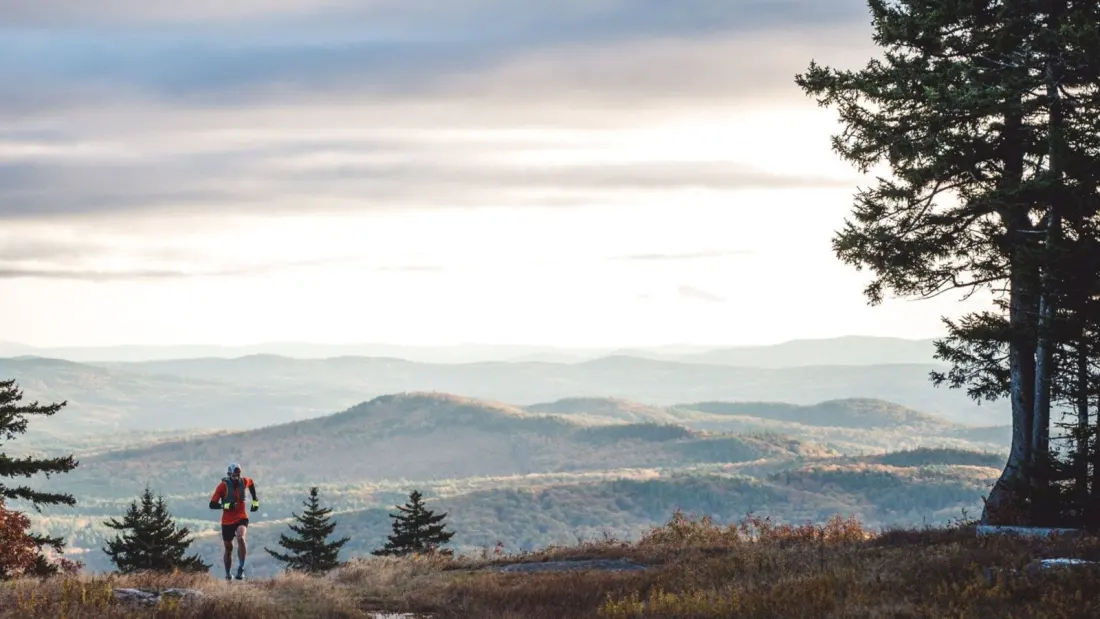
Why? The researchers point to variety. Road running repeats the exact same stride thousands of times, hammering the same muscle fibres. Trails constantly shift between climbing, descending and flat sections, spreading the load. Hills also slow you down — and slower pace means less muscular pounding. Notably, the treadmill and outdoor trail groups fared similarly, suggesting the terrain's roughness matters less than the up-and-down rhythm itself.
The study has caveats worth knowing. Groups weren't randomised — road runners ran the road marathon and trail runners ran trails — so it could be that trail training builds damage-resistant legs rather than trail racing being inherently gentler. And the road marathoners averaged 3:54 versus around 3:00 for the trail groups, hinting the effort-matching formula was generous to the trail runners. A four-hour effort may simply hurt more than a three-hour one. Still, the findings echo what many runners report anecdotally: legs recover faster after a long mountain outing than after a flat road race.
For anyone whose holidays revolve around running — race-cation planners, trail seekers, marathon tourists — the takeaway is appealing. Signing up for a hilly trail event instead of another road marathon might mean less post-race soreness eating into the rest of your trip. And for road marathoners nursing sore quads, mixing trail running into training could build resilience. The science isn't settled, but the direction is promising: your body may genuinely prefer the hills.