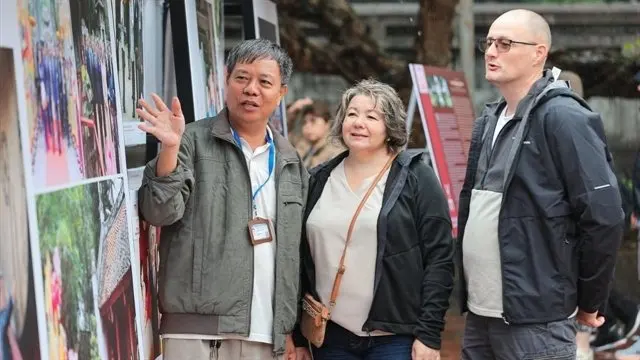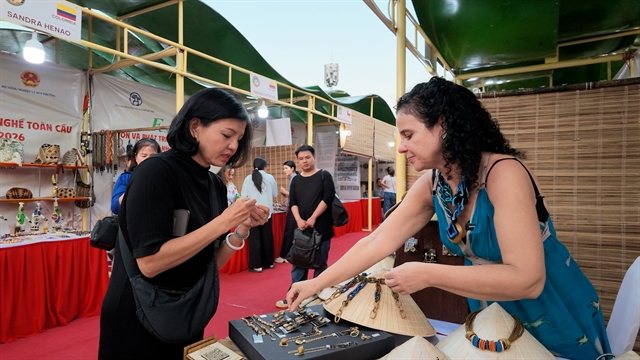
Hà Nội turned into a open-air workshop over the weekend, as hundreds of artisans from around the world arrived for the First Global Craft Village Conservation and Development Festival. The event brought traditional crafts and contemporary design side by side, with each delegation showing off the techniques, materials and cultural identity of their home craft villages.
The festival's premise is simple but timely: craft villages are among the most fragile pieces of living heritage. They depend on generations of specialised knowledge, and many are struggling against mass production, shrinking apprenticeships and changing tastes. By gathering makers from many countries in one place, the organisers created a platform for comparison and cooperation — artisans could see how peers elsewhere keep traditions commercially alive, and visitors got a rare chance to experience that range without leaving Việt Nam.
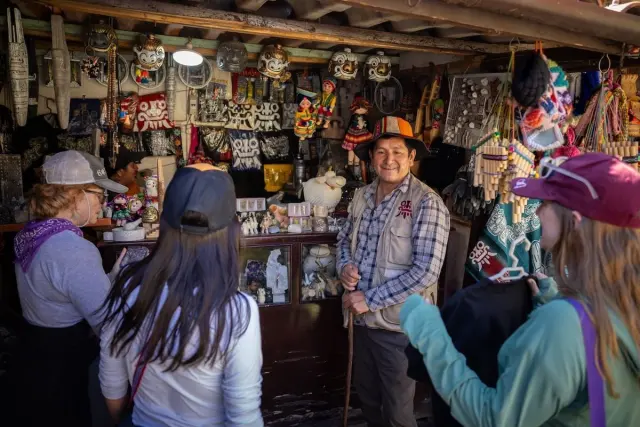
For travellers, the appeal is obvious. Craft villages are one of the best reasons to leave the cities when visiting Việt Nam, whether that's ceramics in Bát Tràng, silk weaving, conical hat making or woodblock printing. The festival essentially compressed that experience into one weekend, adding international dimension: alongside Vietnamese workshops you could watch and buy work from craftspeople representing many different national traditions, from weaving and pottery to decorative contemporary pieces built on old techniques.
The location matters too. Hà Nội has a long craft history of its own — the Old Quarter's street names still echo the guilds that once worked there, from silver to paper. Holding a global craft festival in a city where craft is woven into the urban fabric gives visitors context as well as spectacle.
If the festival becomes an annual or recurring event, it's worth tracking for future trip planning. Even outside festival dates, the surrounding region rewards the curious: craft villages within easy day-trip distance of Hà Nội often welcome visitors into workshops, and buying directly from artisans is one of the most direct ways your tourism money supports heritage conservation. Travellers who plan trips around maker communities — rather than just monuments — tend to come home with better stories and better souvenirs.
For now, the takeaway is that Hà Nội has positioned itself as a meeting point for global craft culture, and that traditional skills are being treated not as museum pieces but as living, evolving design.