Sydney's second airport is almost ready for its first flight, and Western Sydney International (WSI) is using the countdown to show off facilities designed for travellers who are usually an afterthought in terminal design.
The airport, which begins operations on 25 October, is Australia's first major greenfield airport in more than 50 years, and accessibility has been baked in from the start rather than bolted on afterwards. The most talked-about addition is a pair of dedicated sensory spaces in the international and domestic terminals, created by specialist firm Creative Sensory Spaces. These aren't just quiet corners — expect colour-changing lighting, meditative soundscapes and relaxation loungers, aimed at passengers dealing with anxiety or sensory overload.
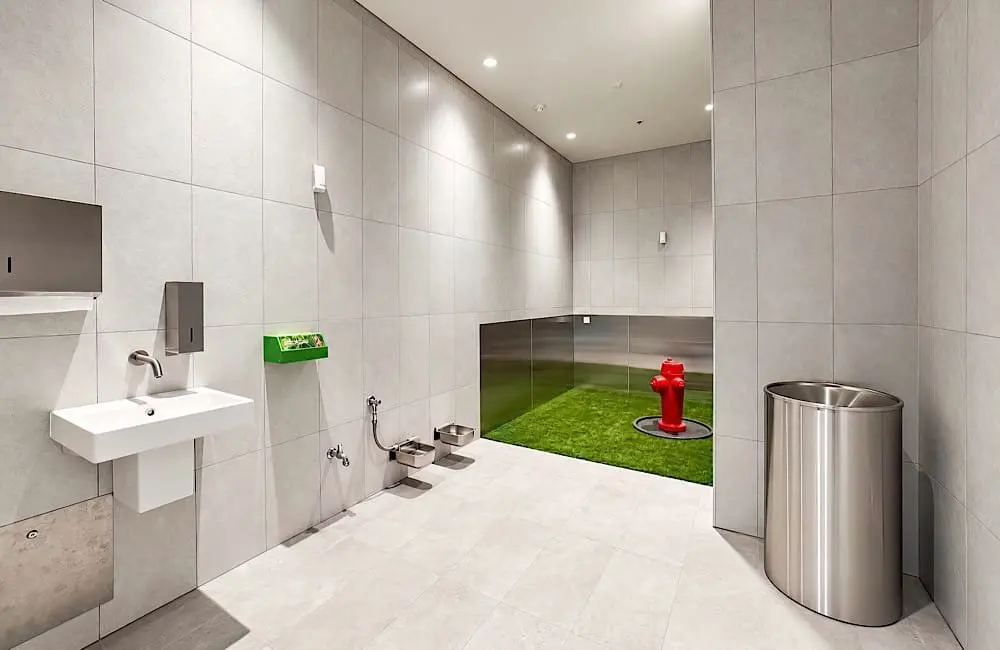
There's a long list beyond that. Multi-faith prayer rooms sit alongside ablution rooms for ritual washing. Hearing loop technology means travellers with hearing aids or cochlear implants can tune into announcements directly by switching their device to the telecoil setting. Travellers with assistance animals get purpose-built pet relief rooms — wheelchair accessible, with artificial grass, water bowls, waste bags and handwashing facilities.
Families are covered too. Family rooms offer curtained nooks with armchairs, built-in change tables, sinks, microwaves and instant hot and chilled water taps. For passengers with high support needs, 'changing places' go well beyond standard accessible toilets, with extra space, equipment and carer assistance in both arrivals and departures. And in a detail that matters more than it sounds, every single gate has a lift, so wheelchair users can be carried safely down to the tarmac and onto the aircraft without awkward workarounds. Accessible kerbside bays sit close to the terminal for drop-offs and pick-ups, with accessible wayfinding running through the whole building.
WSI CEO Simon Hickey framed it as an airport built for dignity and choice, with a digitally enabled passenger journey layered on top — announcements via hearing loops, terminal displays and digital platforms catering to different communication needs. The Access and Inclusion Strategy wasn't dreamed up in a boardroom alone: it was developed with Get Skilled Access, the Australian Disability Network and Diversity Council Australia, and includes staff training to support passengers with a wide range of needs.
Why does this matter beyond Sydney? Accessible travel details are often vague until you're actually at the gate, which is exactly when things go wrong. WSI has published a specific, named set of facilities — you know there's a sensory room, you know there's a pet relief area, you know there's a lift at every gate. For anyone travelling with a disability, with kids, with an assistance animal, or with particular faith requirements, that certainty removes a lot of pre-trip stress. It also raises the bar for what Australians should expect from every other airport in the country.
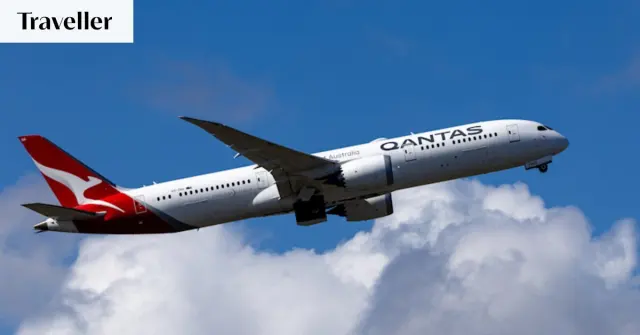
With Qantas, Jetstar and a roster of international carriers set to use the hub, WSI's opening isn't just a western Sydney story — it's likely to change how accessible a Australian airport trip feels from day one. Details first reported by Karryon.