Flying from Australia to Europe used to mean a transcontinental hop to Sydney or Melbourne, then a stopover in Dubai, Doha or Singapore. Perth broke that pattern. Sitting roughly 2,000 miles closer to London than the east-coast hubs, Western Australia's capital turned geography into an aviation advantage.
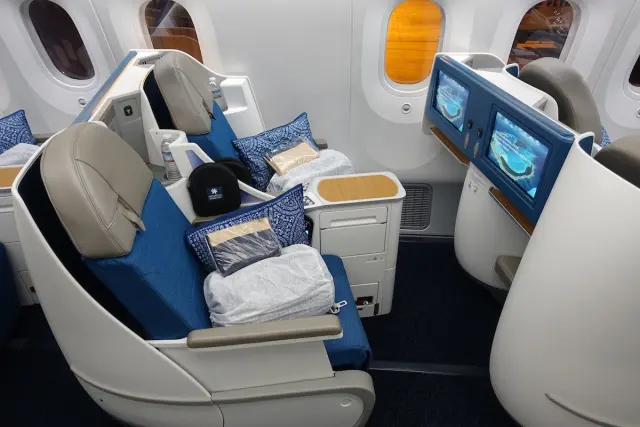
The turning point came in March 2018, when Qantas launched a non-stop Perth–London Heathrow service using a Boeing 787-9 — a 9,010-mile route cutting three to four hours off the total journey. It proved ultra-long-haul flying to Europe was both feasible and profitable. That success snowballed: Perth–Rome Fiumicino followed in June 2022 as the first-ever direct link between Australia and continental Europe, with a seasonal Paris Charles de Gaulle route added later.
Qantas has confirmed 2026 as its biggest year for Western Australia, with nearly 300,000 extra seats across the London, Paris and Rome routes. The Rome service alone gains 44 additional flights and close to 10,000 more inbound seats between May and October. The airline has also extended Perth's reach with non-stop services to Johannesburg and Auckland from December 2025, turning the airport into a genuine transit crossroads rather than a regional endpoint.
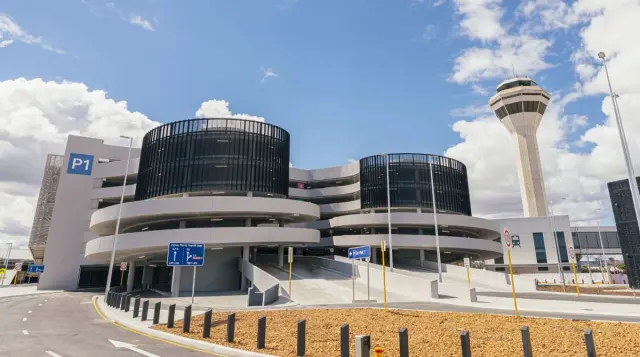
On the ground, the hub had to solve an old problem: international and domestic terminals sat apart, forcing painful airside transfers. Qantas negotiated a stopgap allowing customs and immigration processing inside its domestic Terminal 3 and 4, which laid the groundwork for Perth Airport's multi-billion-dollar "One Airport" consolidation — a single central precinct for all flights. The state government says over 20 non-stop international routes now operate from Perth.
The model has real vulnerabilities. Middle East airspace closures pushed demand toward Perth's non-stops, but westbound headwinds over the Indian Ocean have forced some Perth–London and Sydney–Paris services to make technical fuel stops in Singapore — though inbound flights still fly non-stop. Rome survived the disruption and was even upgraded to daily service, adding more than 1,400 seats a week.
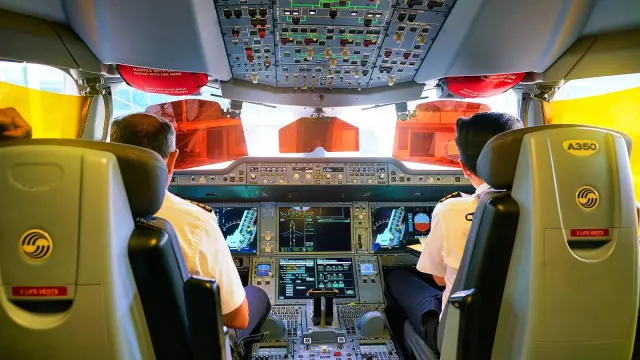
There's also a longer-term wrinkle: Qantas's Project Sunrise plans to fly Sydney and Melbourne non-stop to London and New York with Airbus A350-1000ULRs from late 2026 onwards. That could siphon high-value east-coast transit traffic away from Perth, though Qantas frames the two networks as complementary — Perth keeps serving Western Australia's own demand plus trans-Tasman and Southern Africa connections.
For travellers, the takeaway is simple: if you're flying from Australia to Europe and want to skip a stopover, Perth is the only place that reliably offers one — and the Rome, Paris and London routes are expanding fast.