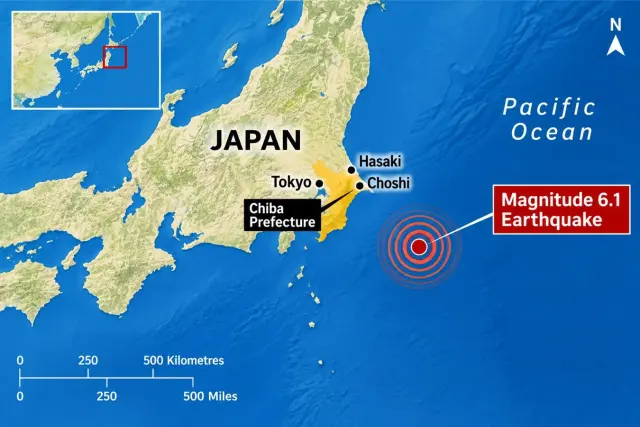
A magnitude 5.7 earthquake (USGS logged it at 5.5) rattled central Japan early Sunday, leaving at least 22 people injured, most of them hurt falling down stairs or fleeing buildings in the dark. The quake hit at 1:04 a.m., with its epicentre about 40 kilometres below Shizuoka Prefecture, and the worst shaking was recorded in neighbouring Aichi Prefecture.
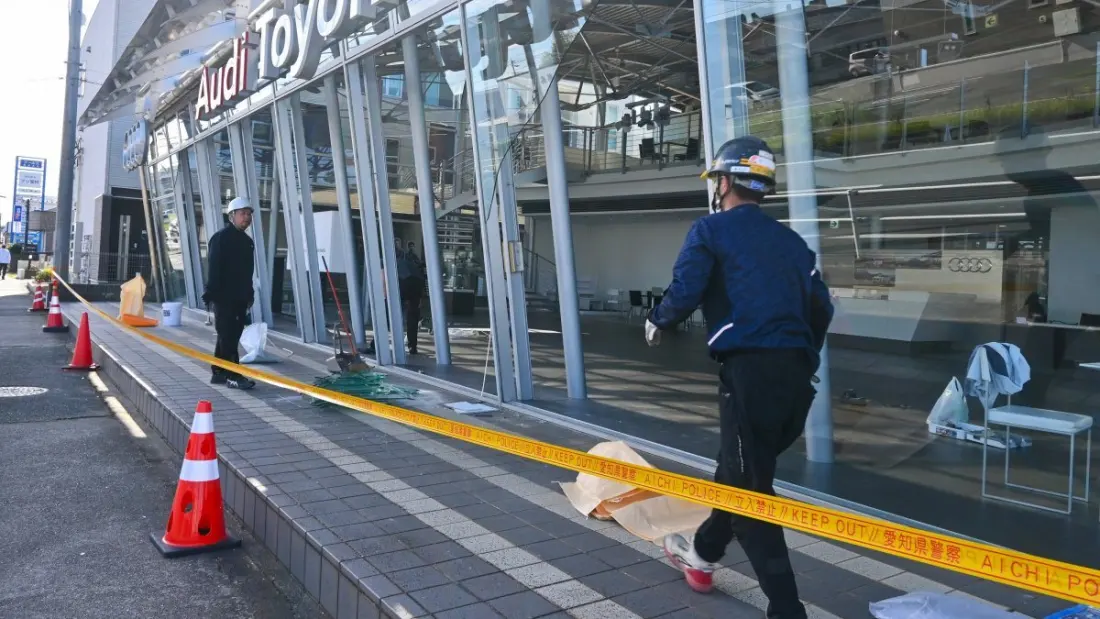
TV footage showed shattered shop windows and glass strewn across pavements, and one bookstore ended up with piles of books dumped across its floor. Shaking reached well beyond the epicentre: residents felt it in Hamamatsu, in the historic capitals of Kyoto and Nara, in Yamanashi — home to Mount Fuji — and in Gifu. Tokyo, far enough east, barely registered it.
The practical impact on travellers came quickly. Shinkansen bullet trains were run at reduced speeds through the affected region as a precaution while inspectors checked the tracks for damage, so anyone travelling between Tokyo and Nagoya, Kyoto or Osaka in the days after should expect possible delays. Smaller aftershocks continued after the main quake.
Japan's Meteorological Agency warned residents and visitors to expect further strong shaking within the coming week, especially over the next two to three days, and flagged risks from mudslides, falling rocks and rain-soaked ground. Officials also noted no changes had been detected on the Nankai Trough, the offshore plate boundary where scientists worry about a far larger megaquake someday.
If you have trips booked to central Japan — Nagoya, Shizuoka, Hamamatsu or the Fuji area — there's no need to cancel, but it's worth staying quake-aware. Keep your hotel's emergency instructions in mind, note where the nearest exits and sturdy tables are, and follow local guidance on transport disruptions. Japan's infrastructure is built for this; injuries in a quake like this typically come from falling objects and panicked evacuations rather than collapsing buildings.
The episode is also a reminder of something Japan's own authorities repeat constantly: keep bottled water, snacks, a torch or charged phone, and a decent pair of walking shoes within reach of your bed when staying in Japanese hotels — useful advice whether or not the ground moves during your stay.