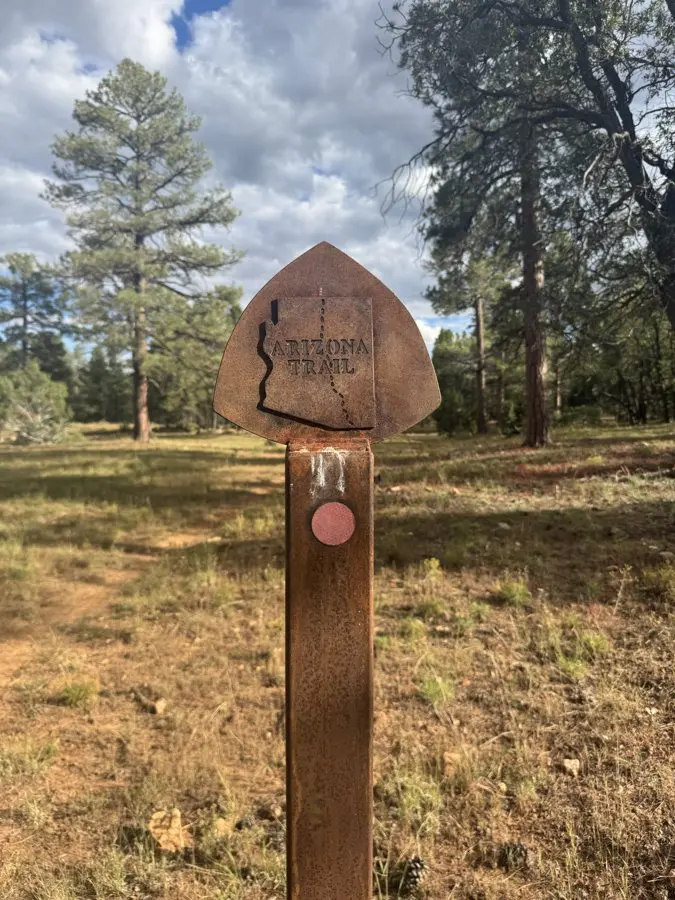
Imagine months of planning, a bus ticket bought, gear packed — and then waking up on day one with a sore throat. That's exactly how one thru hiker's trip began, as recounted on The Trek. A tickle in the throat on the ride to the trailhead turned into a full-blown flu within 24 hours, and with a fixed schedule and section deadlines already set, the decision was made to push through rather than bail.
The next three days were brutal by any standard. Mornings were spent crawling out of a tent feeling, in the hiker's words, like it was time to die. An hour just to break camp and eat breakfast, a day of exhausted plodding, then nearly 12 hours of sleep at night before repeating the cycle. The hardest part wasn't the physical symptoms — it was the isolation. Being alone and ill in the backcountry, with only elk calling in the distance, brought back memories of catching Covid during lockdown and weathering it solo.
Interestingly, the illness seemed to burn out faster on trail than it might have at home. The hiker, a former swim instructor well-versed in the germs kids spread, compared the recovery to past colds and flus and concluded that constant movement, hydration and serious sleep helped clear it quicker than housebound rest typically would.
The takeaways are refreshingly simple. Hydration came first: forcing down water despite zero thirst, adding electrolytes and vitamin C powder to a Nalgene, and choosing powdered cold medicine that required drinking a full amount of water to take. Breaks mattered more than usual — every pack-off stop doubled as a chance to doze or cloud-watch with a timer set, lifting both a physical and mental weight. And sleep became non-negotiable: in the tent by 7pm, asleep by 8, up around dawn. For a self-described insomniac, that was proof the body genuinely needed the rest.
The hiker's own advice comes with a caveat worth repeating: if it's a cold or a mild flu, trying to hike through it may be manageable. If it's something more serious, get off trail and find help. No schedule or daily mileage target is worth turning a bad few days into a genuine emergency.
For anyone planning a long-distance hike, this story is a useful reality check. You can control your gear list, your resupply points and your itinerary — but not the germs you pick up on the bus to the trailhead. Building some slack into a thru-hike schedule, packing a small meds kit including powdered cold remedies and electrolytes, and knowing in advance what your personal red-flag symptoms are will make that first sick day far less scary. It's also a nudge toward honest self-assessment: the difference between pushing through a head cold and stubbornly marching into something dangerous is a judgement every long-distance walker should be ready to make before they ever lace up.