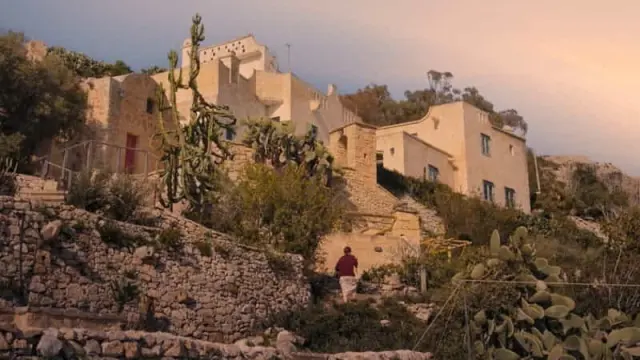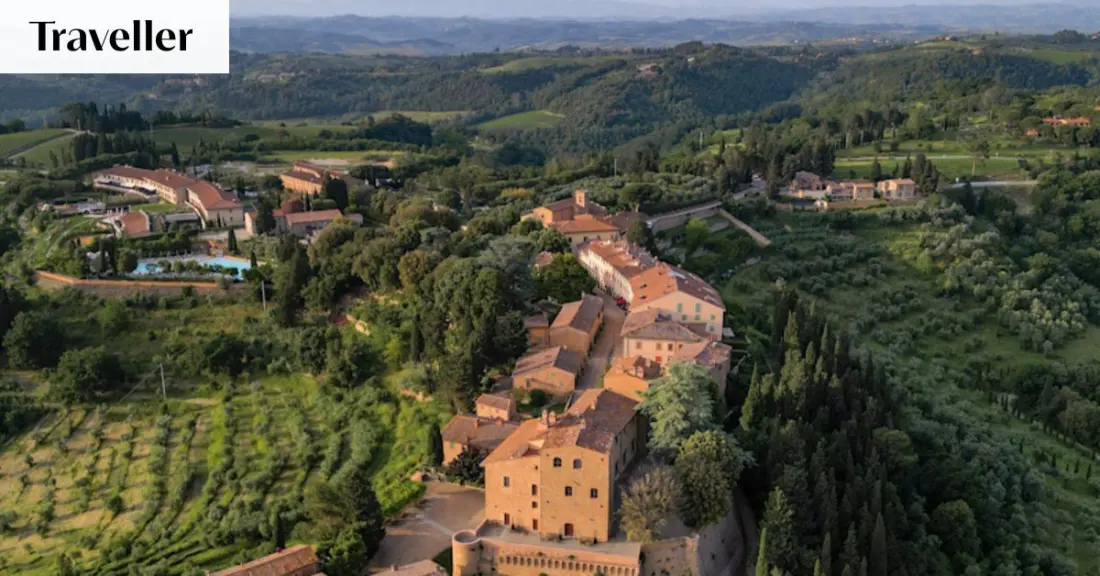
Castelfalfi in Tuscany was deserted by the 1950s, one of thousands of medieval Italian hilltop villages emptied out as residents chased city jobs. Today it's a sold-out luxury resort drawing 30,000 visitors to its Christmas market, with two Michelin Keys and a Forbes five-star rating to its name.
The village's rebirth began when German travel giant TUI bought the estate nearly two decades ago and turned it into an eco-resort; Indian-Indonesian billionaire Sri Prakash Lohia took over in 2021 and ramped things up further. Guests now sleep in a 14th-century castle (a Stefano Ricci-designed signature suite, no less) and can fill their days with truffle hunting, wine tasting, pizza making, lake fishing, e-bike tours and night jeep safaris across the estate's 1090 hectares. Doubles start at €810 with breakfast – firmly luxury territory – but the setting in the under-visited Valdera, 45 minutes from both Pisa and San Gimignano, is genuinely quiet Tuscany.
Castelfalfi belongs to a broader trend: the albergo diffuso, or "scattered hotel", an Italian concept where guest rooms are spread across several village buildings. Instead of lifts and corridors, you wander cobbled lanes to reach reception, breakfast and dinner. It's a clever way of saving dying settlements while giving travellers something far more atmospheric than a standard hotel block.
Cheaper takes on the idea exist if you dig for them. Colletta di Castelbianco in Liguria, near the French border, was wrecked by an 1887 earthquake and down to five residents by the 1970s, before local entrepreneurs rebuilt it in the 1980s using original stone and methods – and, remarkably, envisioned it as a remote-working community long before that was a thing. Set in the green Pennavaira valley about 20 minutes inland from the coast at Albenga, it has a lap pool built into the terraces, a vine-covered bistro for aperitivo, and apartments from €88 a night for double occupancy.
In France, Village Castigno occupies the wine village of Assignan in the Languedoc, where the population had slipped under 200. Belgian couple Marc and Tine Verstraete bought the 12th-century Chateau Castigno in 2007, initially just to make wine, and ended up restoring derelict houses across the village – now 21 rooms in apartments and standalone houses, with a wine-bottle-shaped tasting room and a well-regarded Thai restaurant among the facilities. Doubles run from €146, and it's open April to mid-December.
One cautionary tale from the writer's own stay: booking a third-party village house to piggyback on Castigno's facilities backfired hilariously when the cottage turned out to double as a "love room" for romantic short stays, complete with ceiling hooks. The lesson – book through the scattered hotels themselves.
For travellers, this trend is a genuine win. You get history you can actually sleep in, villages that would otherwise crumble get a second life, and there's a price point for most budgets – from Colletta's under-€100 apartments to Castelfalfi's castle suites. If you've ever wanted Tuscany or Liguria without the crowds, these resurrected borghi are worth hunting down.