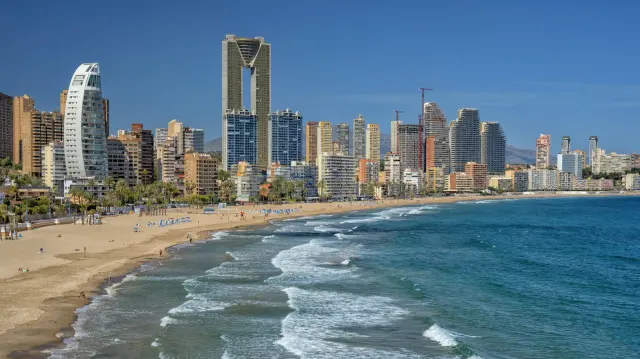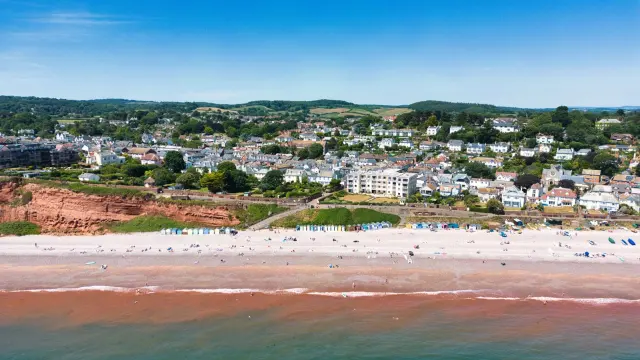
Spain's beach resorts fill up fast every summer, but a new round-up from The Independent's travel writers makes the case for heading somewhere quieter instead. Six spots stand out, and none of them involve fighting for a patch of sand.
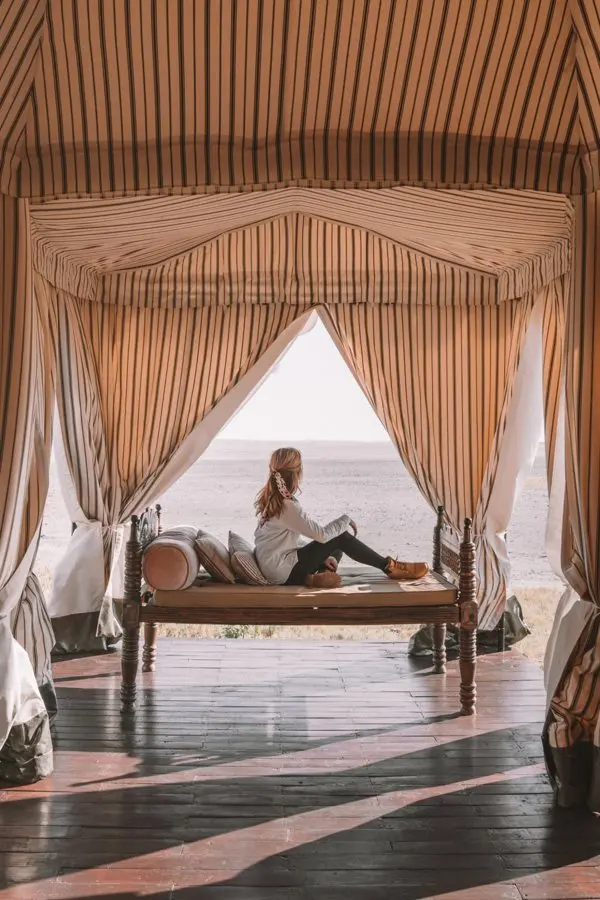
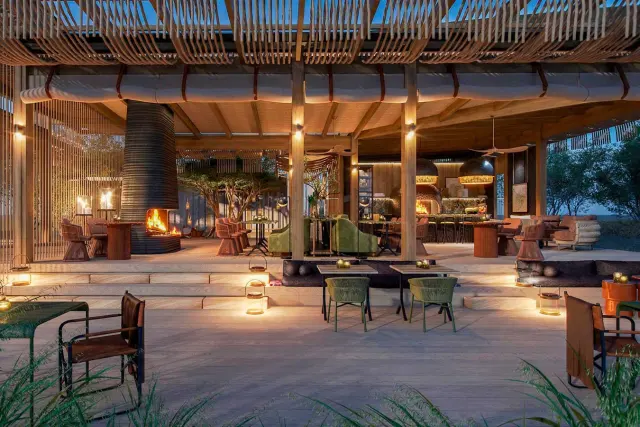
First, Mallorca's interior. While the island's coastline packs in package holidaymakers, a newly opened hotel called Son Xotano sits in a 12th-century manor house surrounded by olive groves, vineyards and lavender fields. It's pitched at burnt-out city types: good food, a big pool, yoga, sleep. No beach, and apparently you won't miss it.
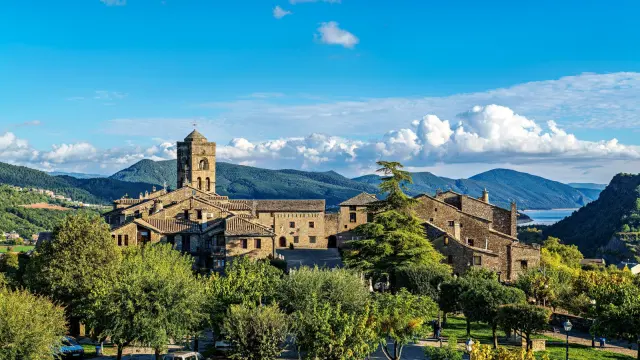
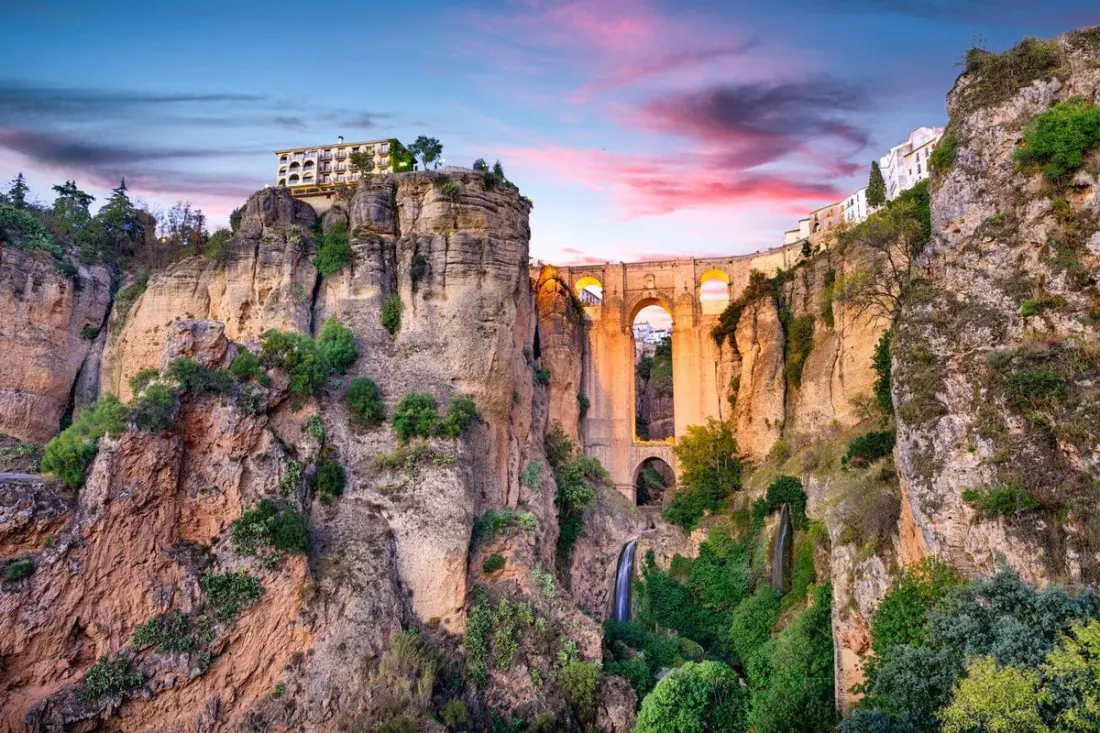
An hour inland from the Costa del Sol, Ronda rewards anyone who stays past sunset, when the coach day-trippers leave and the clifftop city goes quiet. Its setting around the Puente Nuevo bridge over a limestone gorge is famous, but the food scene deserves equal billing. The tip: walk away from the bridge and the eating gets better, from pink prawns and scallops to hill-town classics like snails in garlic or chorizo, chickpea broths and potato tortilla.
For a different island experience, try La Palma. Overshadowed by Tenerife and Lanzarote, it holds Unesco Biosphere Reserve status and packs everything from misty laurel forests to lava fields into a small area. It's also one of the best stargazing spots on the planet, home to the Roque de los Muchachos Observatory — after dark, the sky fills with so many stars the darkness seems to sparkle.
Sherry fans should head inland to Jerez de la Frontera, whose food reputation is growing fast enough to rival San Sebastian. It has been named Spain's Capital of Gastronomy for 2026, and chefs there cook with sherry rather than just pouring it. At Michelin-starred Mantua, chef Israel Ramos builds a 16-course tasting menu around fino and oloroso.
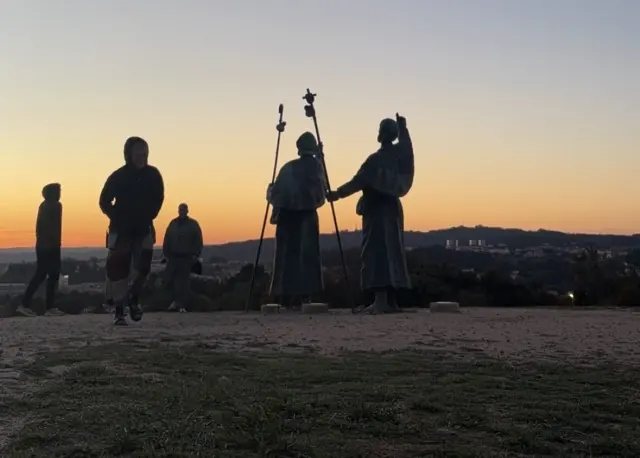
Elche, whose name half of Alicante airport's title, hides Europe's largest historic palm grove — more than 200,000 trees — a shaded, fountain-dotted alternative to the crowded coast. And up in Galicia, Santiago de Compostela may be famous as the end point of the Camino de Santiago pilgrimage, but food lovers have their own reason to go: the Mercado de Abastos market, piled with Galician cheeses, cured meats, giant crabs, razor clams and the region's celebrated red prawns.
Why it matters: if you want Spain's sunshine, food and culture without the peak-season crush, each of these places delivers a different version of the country — rural Mallorca, Andalusian hill towns, volcanic islands, sherry country, a palm oasis, Atlantic seafood. Pick one based on whether you'd rather hike, eat, stargaze or simply do nothing by a pool.