Costa Rica's Constitutional Chamber has ordered lawmakers to unfreeze roughly $67 million earmarked for the Judiciary and its investigative arm, the OIJ, in the 2027 national budget — plus a further $18 million cut from public universities that it also struck down. Together the rulings touch about $85 million of next year's spending, and they've landed at a tense moment for a country whose tourism image depends heavily on feeling safe.
The court found that the Legislative Assembly's budget committee overstepped by attaching conditions to money already approved for the courts. One rule had tied the release of about 29,844 million colones — 5.6% of the Judiciary's budget — to approval from a legislative committee, while others blocked routine transfers between budget lines and froze the filling of vacant posts. Magistrate Anamari Garro's ruling noted the Judiciary was never consulted, as the Constitution requires. The same day, a second ruling ordered the Assembly to reverse an 8,048 million colones reduction in university funding, money tied to payments the government postponed during the pandemic and later agreed to repay in instalments.
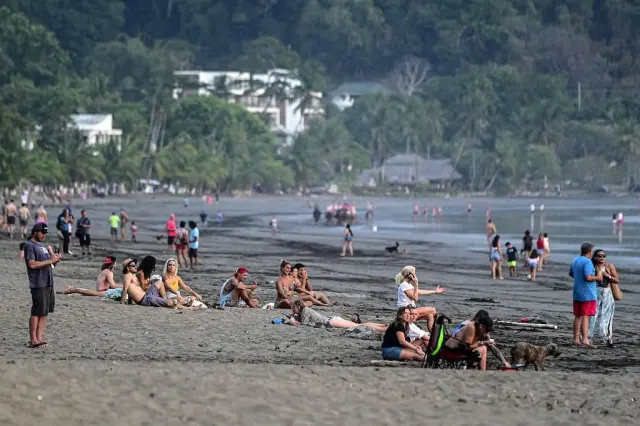
Why should holidaymakers care? Because the people who investigate crime in Costa Rica have been running short. OIJ operations chief Omar Brenes said the agency had halted purchases of ballistic helmets, weapons and ammunition, leaving agents without enough rounds even for firearms training. That squeeze comes as a recent national report described organised crime as Costa Rica's third-largest economy — and as Santa Cruz, the canton that includes the popular surf-and-sunset town of Tamarindo, leads homicide counts in Guanacaste, one of the country's most visited beach regions. Supreme Court President Patricia Vargas stressed the branch isn't asking for extra money, just the ability to spend what it already has, to serve the public and fight organised crime.
The clock is ticking. The Constitution requires the budget to pass before November 30, with ruling-party leaders pointing to November 29 as the final vote date. If lawmakers fail to strip the challenged provisions, they're automatically excluded anyway. Thousands marched in San José in October against the university cut, and the ruling party says it will study the full written decision before acting. President Laura Fernández has pledged to comply with whatever the court decides.
For travellers, the takeaway isn't panic — Costa Rica remains one of Central America's most visited and generally stable destinations, and the rulings actually point toward stronger, not weaker, public security capacity in 2027. But they're a reminder that the country is actively wrestling with the spread of organised crime, and that the resources behind police investigations have recently been under real strain. If you're heading to Guanacaste beach towns or anywhere else, standard precautions apply as always: stay aware, keep valuables out of sight, and check current government travel advisories before booking.
Reported by The Tico Times.