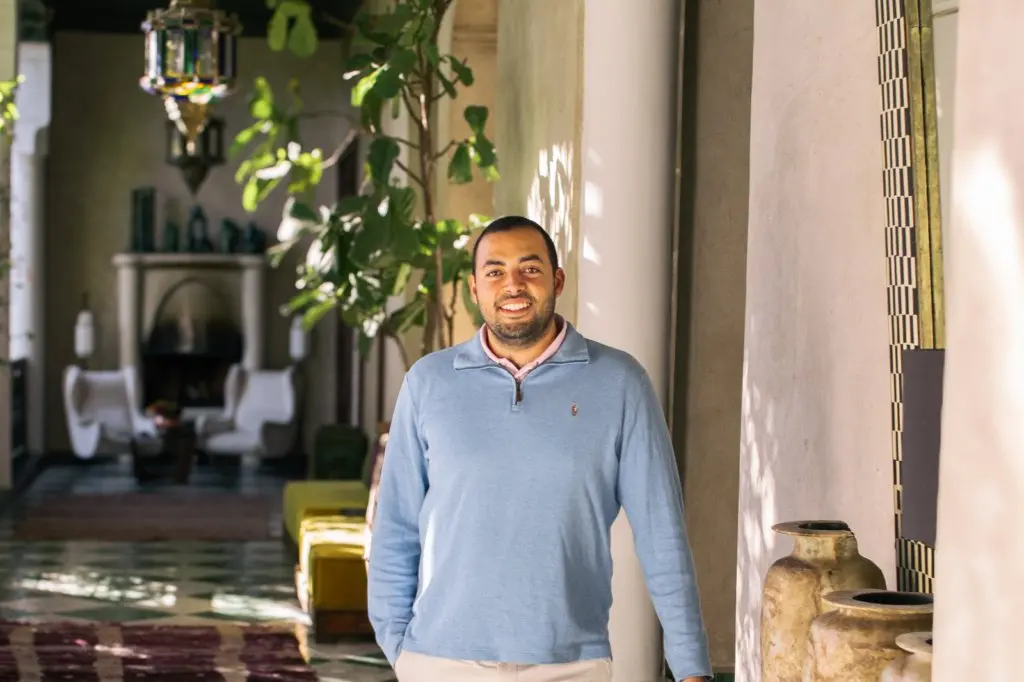
Marrakech's boutique hotel scene has long been shaped by foreign founders, but a family-owned group called AKAN is changing that. Built by Youssef Benabbès Tâarji with his cousin Malika as CFO, AKAN owns three of the city's most loved addresses — El Fenn, Les Deux Tours and La Villa des Orangers — and describes itself as the first luxury boutique collection wholly owned by a Moroccan family.
The lineage runs deep. Tâarji's grandfather Ahmed was born in the medina in the 1930s and co-founded Holidays Services in 1973, one of the pioneering Moroccan tourism companies. His father Jalil built the family's hotel group, and AKAN is the third generation's chapter. The acquisitions themselves sound unusually personal: his father reportedly replied to the sale email for La Villa des Orangers within three minutes, before anyone had looked at the numbers.
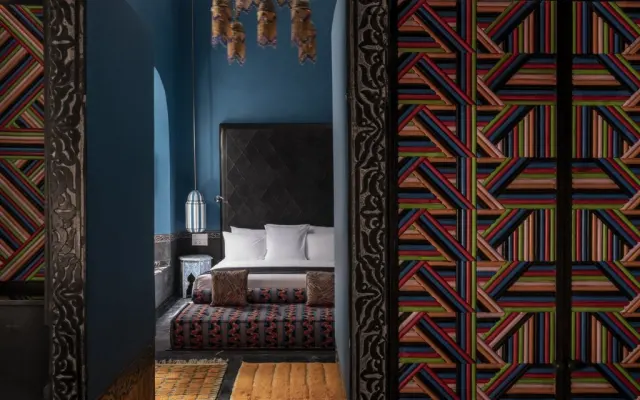
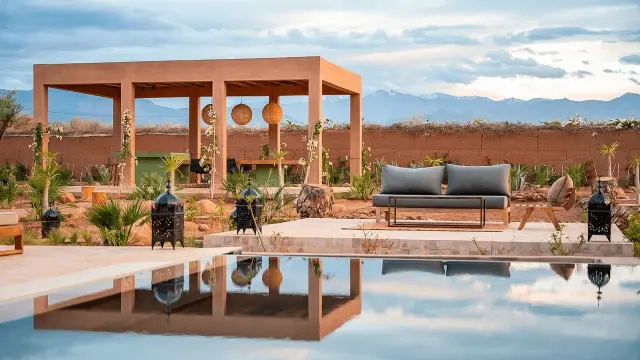
Each house has its own identity. El Fenn, which famously began as a six-room home under Vanessa Branson, is the art-and-design address in the medina, with Branson still involved as Cultural Ambassador. Les Deux Tours, in the quieter Palmeraie area, leans on architecture, gardens and wellness, plus a potager-to-plate kitchen. La Villa des Orangers carries classical Marrakchi hospitality with gastronomy and craft at its core.
What sets the group apart is how it connects guests to the city beyond the hotel walls. AKAN arranges encounters with local makers — ceramicists, Berber embroidery collectives, artists in residence — leaning on staff and owners who are themselves Marrakchi. Recent and upcoming moves reinforce the cultural angle: an El Fenn residency called Everything Old Is New Again, curated by Roger Karera ahead of the 1-54 Contemporary African Art Fair, pairing South African ceramicist Zizipho Poswa with master potters at Serghini Pottery; a partnership with the Montresso Art Foundation; casual Sunday sunset music sessions (Sol Sun Days) on the El Fenn rooftop that mix locals and guests; and a hospitality-and-heritage-crafts programme for Marrakech students. The group is also investing in unglamorous infrastructure — energy systems and staff facilities — aimed at carrying El Fenn through the next fifty years.
Tâarji's read on how travellers have changed is a useful one for anyone planning a trip: the shift, he says, is from spectacle to substance. Visitors no longer want a caricature of souks and snake charmers; they arrive for a contemporary art scene that includes MACAAL, the Musée Yves Saint Laurent and 1-54, and they want to leave having learned something. Morocco is young, modern and creatively confident, and Marrakech is one of the best places to see that.
For travellers, the practical takeaway is simple: if you'd rather stay somewhere rooted than templated, this trio of houses offers three distinct takes on the same city — and a longer-term plan to expand into places like Essaouira and Fès, each chosen to reveal a different facet of Morocco. Think of AKAN less as a hotel chain and more as a local friend with exceptional taste, drawing up your itinerary.