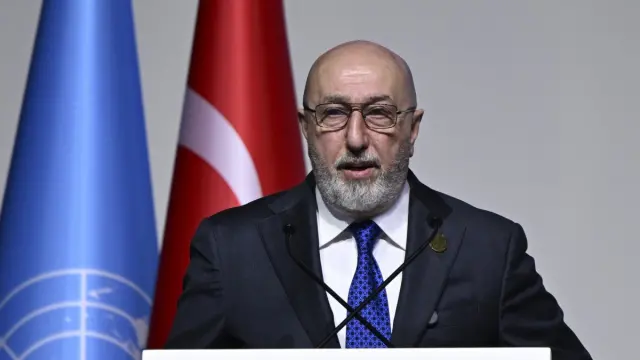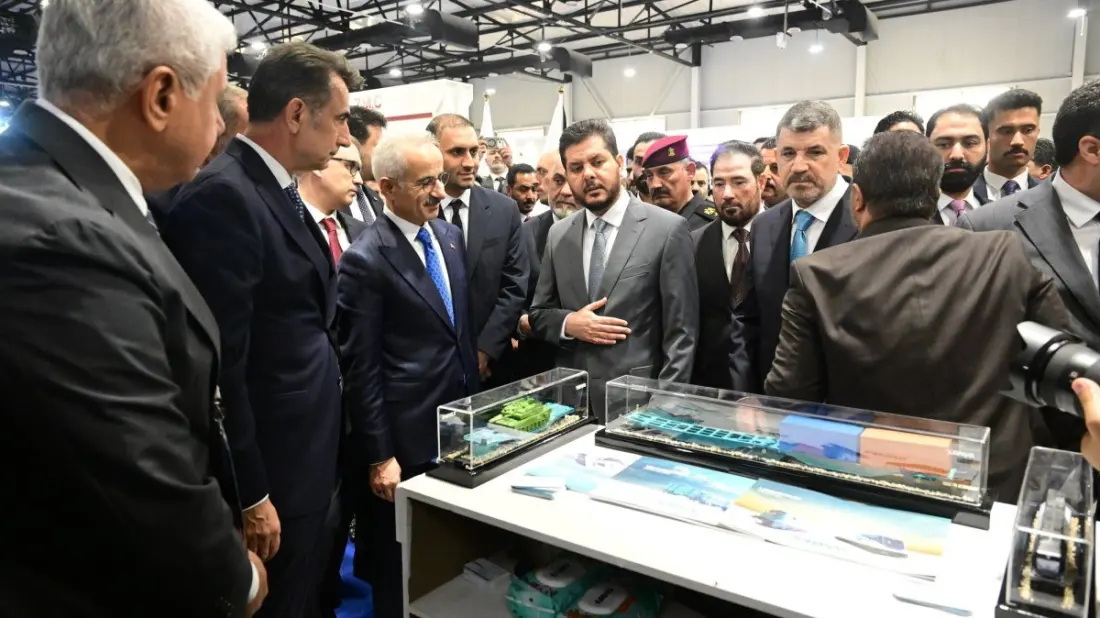
A new overland route linking the Persian Gulf to Europe is inching closer to reality — and it may be paid for with oil. Türkiye's transport and infrastructure minister, Abdulkadir Uraloğlu, announced in Baghdad that Ankara wants to finance the Development Road project through a swap arrangement: Turkish firms build railway and infrastructure in Iraq, and Iraq pays with crude.
The corridor itself is ambitious. Cargo would land at Iraq's Grand Faw Port on the Persian Gulf, travel roughly 1,200 kilometres by rail to Ovaköy on the Türkiye-Iraq border, then continue across Anatolia into Europe. First unveiled in May 2023, the scheme is estimated to cost $20 billion, with the Iraqi section contracted to Turkish companies. Memorandums signed in July included a framework for funding Iraqi transport infrastructure with oil and other natural resources, via a dedicated fund.
The numbers being floated are big. Uraloğlu expects the project to add $61.5 billion to the Turkish economy over a decade and create an average of 71,000 jobs a year, driven by production and logistics centres along the route. He also framed it as more than a rail line: ports, logistics hubs, industrial facilities, energy and communications infrastructure would all be connected into a single Asia-Europe corridor.
Two practical hurdles stand out. Financing is the obvious one — hence the oil-for-infrastructure idea, which Uraloğlu says could become a template for Türkiye's dealings with other countries. The second is friction at borders. The minister stressed that the corridor only works if goods move smoothly, pointing to easier border crossings, faster customs and the digitalisation of transport as priorities. His stated goal is to turn borders from barriers into gateways.
Interest is clearly growing beyond the two capitals. Uraloğlu noted that European counterparts ask increasingly often when the route will be finished — a sign that shippers and governments alike see it as a genuine alternative for moving goods between Asia and Europe.
So why should a traveller care? For now, this is a freight project, and no passenger service dates have been announced. But if the rail line gets built, it lays physical groundwork for a future overland journey through Mesopotamia — from the Gulf coast through Baghdad and Mosul to southeastern Türkiye and onward to Istanbul and Europe — a route that has been effectively closed to casual overland travel for decades. Watch this corridor: today's container trains tend to become tomorrow's passenger timetables, as happened on countless lines across Asia and Eastern Europe.
In the shorter term, the project signals improving stability and investment flowing into Iraq, which gradually opens the door for the country's remarkable destinations — the marshes of the south, Erbil's citadel, the souks of Baghdad — to re-enter the mainstream travel conversation. The oil-for-rail deal is worth tracking, and the full report appeared in Daily Sabah Travel.