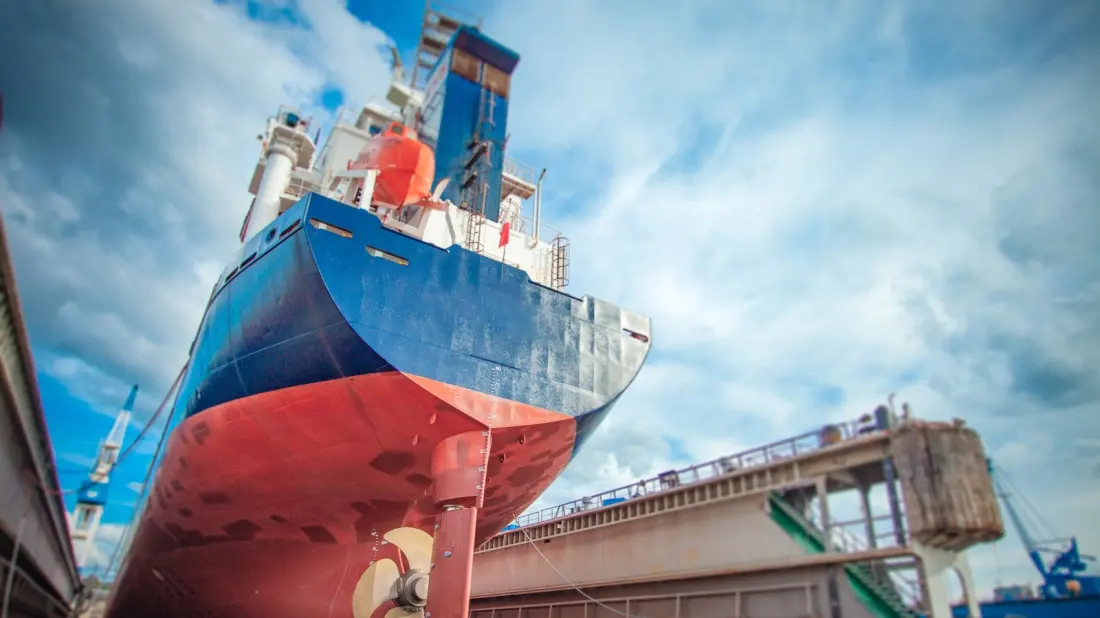
Ever noticed a cruise ship mysteriously missing from its usual route for a few weeks? Chances are it's in dry dock — a scheduled maintenance period when the vessel is parked on supports, the water drained away, and crews get their only proper look at the hull, engines and safety systems.
Dry docking isn't optional. Ships go through it roughly every three to five years to meet safety requirements — lifeboats, fire alarms and engines all get checked. It's also when lines refresh the passenger side of things: new carpets, renovated cabins, added attractions. A typical dry dock lasts a few weeks, and most are slotted into January-May or September-December, so cruise companies build their itineraries around them, often booking the work two years ahead.
That planning doesn't always hold. If one ship's maintenance overruns, it can push back other vessels' schedules in a domino effect. Carnival's dry dock-related cancellations for 2026 and 2027 are a recent reminder that this quiet, routine practice can upend a holiday you booked months earlier.
For travellers, timing matters in both directions. Sail too close to a scheduled dry dock and you may find a ship already winding down — rolled-up carpets, closed areas, furniture stored away. Book right after one and you could enjoy a freshly renovated ship, possibly with brand-new amenities. The catch: the very first sailing after a dry dock is the most likely to be cancelled if the work runs late, and snagging repairs might still be underway onboard.
A practical rule of thumb: aim for sailings at least a month after a ship's dry dock ends. To find out when that is, check the dry dock schedules tracked by Cruising Earth and Cruise Critic, or look for unexplained gaps in a ship's calendar and ask the line directly. If you must book right before or after a maintenance window, keep your travel plans flexible.
If your cruise does get cancelled for dry docking, compensation varies by line. Most offer a full refund of the fare plus any excursions booked through the cruise line (not third parties), protected rates on comparable sailings, onboard credit or future cruise credit — check that credit's expiry date before accepting it. Some lines will also chip in towards non-refundable flights or change fees if you'd rather not rebook. Unlike airlines, cruise lines have no legal obligation to a standard level of compensation, and your rights differ depending on whether you're covered by US, UK or EU rules. That makes it worth reading the cancellation policy carefully before booking — and deciding whether travel insurance is worth adding, since a policy may cover non-refundable costs the cruise line won't.
Bottom line: dry docking is a good thing — it keeps ships safe and fresh — but knowing the schedule before you book can be the difference between sailing a tired ship and stepping aboard one that feels brand new. Credit: Islands.