If snowshoes and frozen boots aren't your idea of fun, winter doesn't have to mean hanging up the backpack. A new roundup from hiking site The Trek makes the case for a whole second hiking season built around trails in the southern US — plus one big bonus option in New Zealand — where mild temperatures and low elevations keep the white stuff off the trail.
The standout is the Florida Trail, a 1,100-mile end-to-end walk across the state from Big Cypress National Preserve to Fort Pickens near Pensacola. It runs through prairies, swamps, sandhills, pine forests and beaches, split into four regions — including a Panhandle stretch with the trail's toughest terrain and highest points. October to April is the ideal window, which makes winter the prime season rather than an off-season gamble.
Shorter Florida options include the 61-mile Ocean to Lake Trail near Jupiter, which runs from Hobe Sound Beach to Lake Okeechobee through the North Everglades Natural Area, where the ecosystem changes roughly every mile — sand dunes, pine flatwoods, cypress swamp and wet prairie in quick succession.
Elsewhere in the South, the 350-mile Pinhoti Trail links Alabama's Flagg Mountain to Georgia's Benton MacKaye Trail, with a gentle southern half and a steeper, more scenic northern one topping out at 3,164 feet. The 223-mile Ouachita Trail crosses Arkansas and Oklahoma through low, rarely-snowy mountains, with well-built shelters and bare trees that open up winter views. And the Ozark Highlands Trail in northern Arkansas — about 290 miles built out of a planned 325 — is considered one of America's most scenic walks and is actually easier in winter, since it goes unmaintained from late spring to early fall.
Out west, the options get drier. The 100-mile Guadalupe Ridge Trail runs from Guadalupe Peak in Texas through Carlsbad Caverns National Park to White's City, New Mexico, and is best saved for October to December because summer heat is brutal. Arizona's 80-mile Black Canyon Trail follows an ancient Native American route through the Sonoran Desert. California contributes two: the 67-mile Backbone Trail through the Santa Monica Mountains, barely 20 miles from downtown LA, with ocean views to the Channel Islands; and the 38-mile Trans-Catalina Trail on Catalina Island, where winter means cooler breezes and far fewer people on an exposed, climb-heavy route. Texas's 96-mile Lone Star Trail, the state's longest marked footpath through Sam Houston National Forest, rounds out the domestic list.
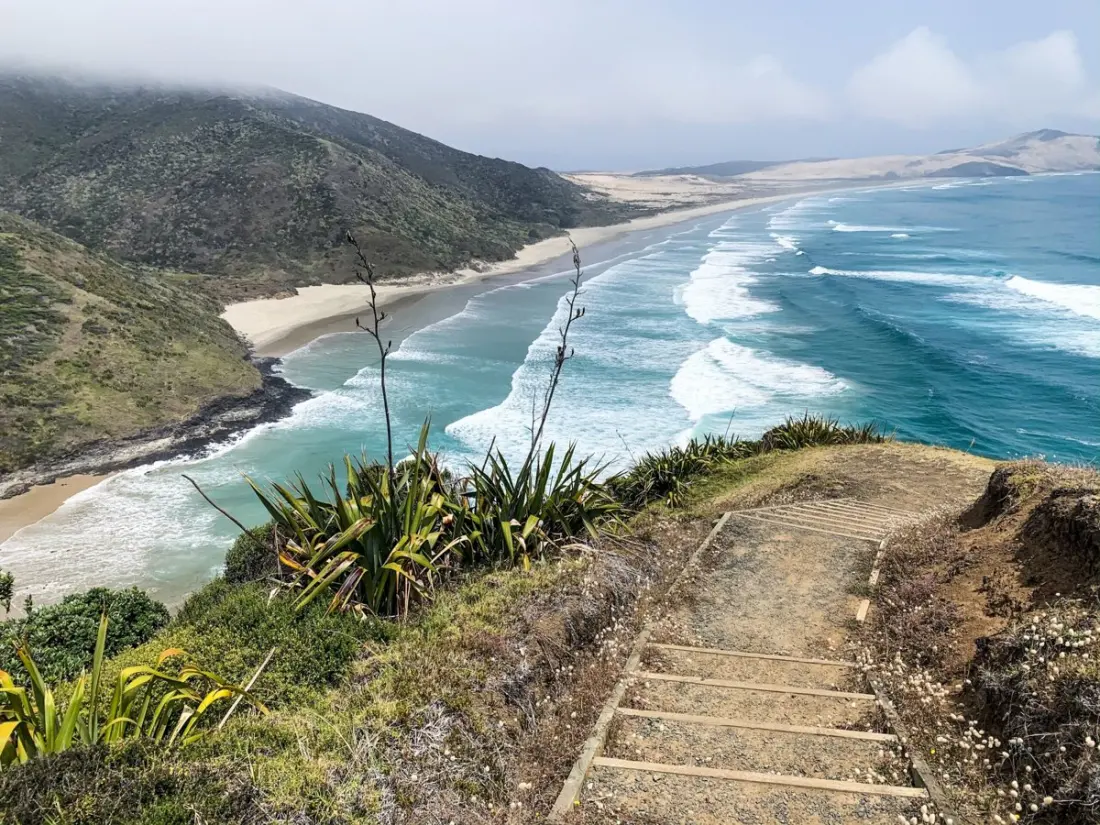
The wildcard: New Zealand's Te Araroa, a 1,900-mile trek from Cape Reinga to Bluff spanning beaches, volcanoes, rivers and mountain passes. The US off-season is New Zealand's summer, so a November to January start aligns perfectly with the southern hemisphere's best weather.
Why it matters: winter is when these trails are at their most comfortable and, in many cases, quietest. Whether you want a two-month expedition like the Florida Trail or a long weekend on Catalina, there's a snow-free option for nearly every schedule — no microspikes required.
Story via The Trek.