Not every big trip starts with a bucket list. Sometimes it starts with putting a life back together. A 32-year-old mechanical engineer from rural North Carolina has announced plans to thru-hike the Appalachian Trail in 2027 — the culmination of an idea first planted more than a decade ago in high school.
The backstory is raw. The writer describes living with depression since the age of eight and turning to alcohol at twelve, drinking heavily for nearly two decades before getting sober three years ago. Coming out as trans in a straight, traditional family left them feeling like the black sheep, and the trail is framed as a way to grieve the past and work out who they actually are. The goals are refreshingly concrete: less screen time, more nature; more community, less loneliness; less consumption, more reuse.
The logistics part of the story is the bit most aspiring hikers will recognise. The author breaks down what it actually takes to attempt a thru-hike: money, fitness, time, and a support system at home for resupply boxes and safety check-ins. For years, at least one of those was always missing. It took a decade — and quitting a full-time engineering job designing HVAC and plumbing systems — to line them all up. That trade-off, leaving stable employment for five to six months on foot, is a decision nearly every thru-hiker faces.
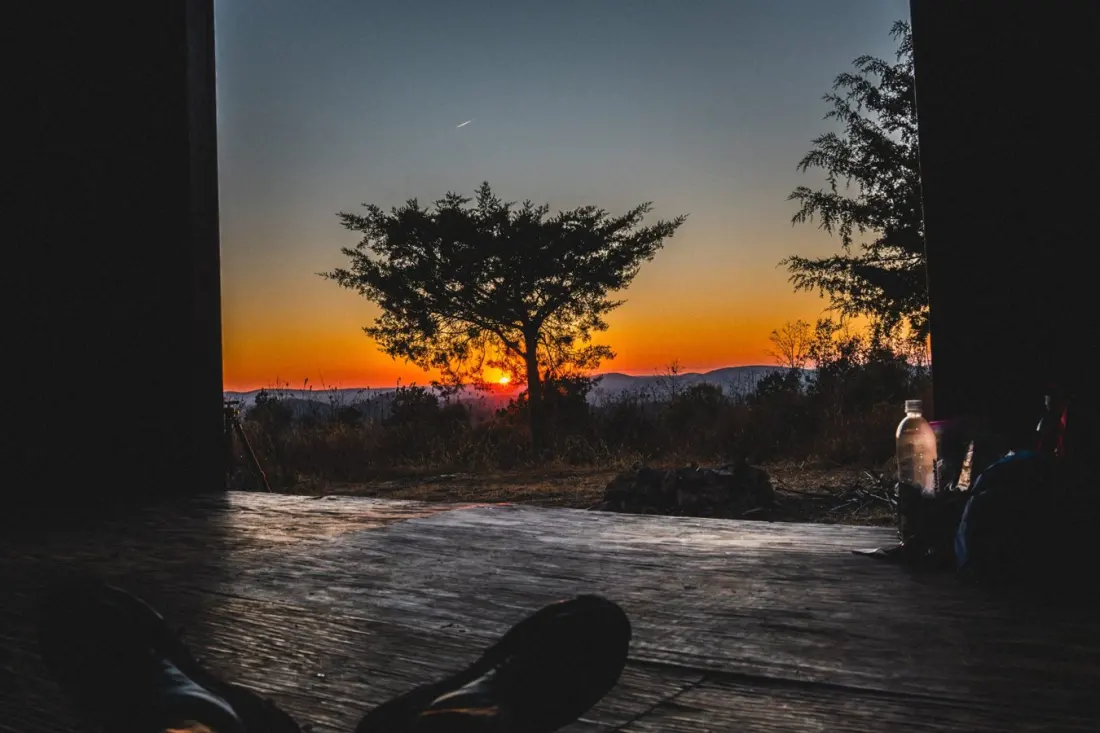
The inspiration came, like it does for many, from YouTube: watching a vlogger known as Dixie document her own Appalachian Trail thru-hike made the idea feel reachable. Now the plan is set for the class of 2027, with the author looking forward to campfire nights and the shared culture of the trail — the self-deprecating "hiker trash" identity that binds long-distance hikers together.
Why does this matter if you're not the one lacing up boots? Because it's a useful window into how long-distance hikes actually happen. The AT runs roughly 2,190 miles through 14 states from Georgia to Maine, and most people who finish it take five to seven months. Stories like this one strip away the romance and show the real prerequisites: savings, physical preparation, a home support network, and the willingness to pause a career. They also highlight how the trail functions for many as something closer to therapy than holiday — a reset button after addiction, grief or a life that stopped fitting.
For anyone considering their own attempt, the takeaway is encouraging. You don't need to be a lifelong athlete or outdoors prodigy. You need a plan, a few years of incremental preparation, and enough honesty about what you're trying to get out of it. Start with section hikes to build fitness, follow the community blogs and vlogs to understand the rhythm, and give yourself permission to take the time when life finally allows it.