
The question wealthy guests ask before booking a villa has changed. These days it is less about the pool size and more about the solar panels, the food sourcing, even the waste. Villa specialist Privadia says demand for genuinely sustainable high-end stays has risen year on year across the Mediterranean, and the shift is reshaping some of Europe's most glamorous islands.
The surprise is where it is happening. Ibiza, Mallorca, Mykonos and the Turkish coastal town of Kalkan all carry party or yacht reputations, yet each has a serious conservation story underneath.
Ibiza is the clearest case of misjudgement. The waters between Ibiza and Formentera shelter vast meadows of Posidonia seagrass, a UNESCO-listed habitat that keeps the water famously clear and supports huge marine life. Boats are asked not to anchor on the meadows. Inland, the north of the island around San Juan remains organic farmland, and many of the island's best restaurants now cook from those smallholdings.
Mallorca arguably started the whole movement. Agroturismo — old farmhouses reinvented as places to stay — took root here first, and the terraced, dry-stone landscapes of the Serra de Tramuntana hold UNESCO World Heritage status. Local olive oil and wine rarely travel more than a couple of miles to the table.
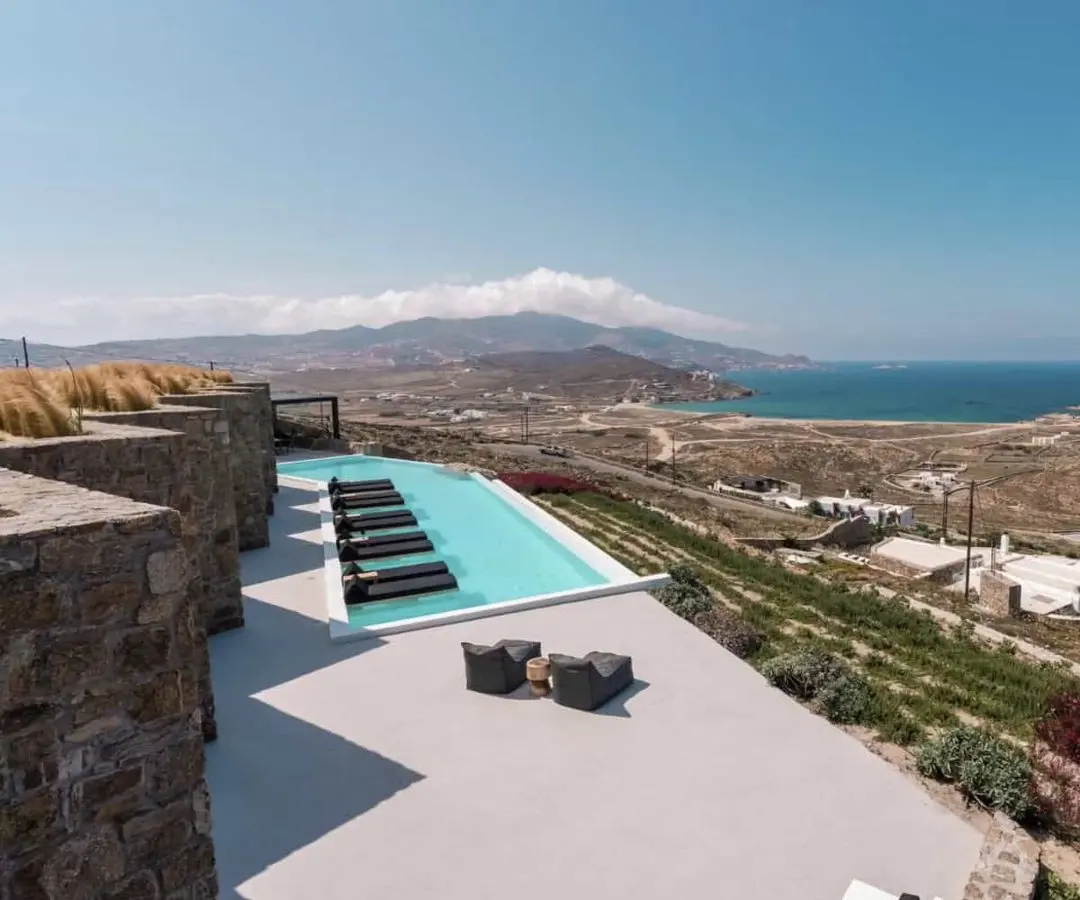
Mykonos goes green out of necessity. Fresh water is scarce in the Cyclades and much of it is desalinated, so careful water use is baked into how well-run villas operate. The classic thick whitewashed walls, meanwhile, were cooling houses centuries before air conditioning arrived.
Kalkan is the quiet one. Nearby Patara beach — eighteen kilometres of sand where loggerhead turtles have nested for millennia — is fully protected: no building, and night closures during nesting season. The town itself has stayed compact, white and stone houses stacked above the harbour rather than sprawling along the coast.
For villa owners, going green now pays. Solar arrays suit the sunny Mediterranean, heat pumps stretch the swimming season, and low-flow fittings plus drought-tolerant gardens matter enormously on water-stressed islands. Guests notice the smaller touches too: refillable bathroom bottles, a chef who shops the local market, an EV charging point, and a recognised eco-certification that turns good intentions into something verifiable.
The practical takeaway for travellers is that you no longer have to choose between conscience and comfort — but you may need help finding villas that mean it. Privadia's guest experience team builds entire stays around the idea: private chefs cooking seasonal, locally caught food; electric boats that keep clear of the Posidonia beds; guided walks in the Tramuntana; dawn visits to Kalkan's turtle beaches. The holiday doesn't shrink, it just leaves less behind.
If you're booking a high-end villa this year, it's worth asking the same questions these guests are: how is the property powered, where does the food come from, and is there a certification to back it up? The best answers now come from the most surprising places.
Story via A Luxury Travel Blog.