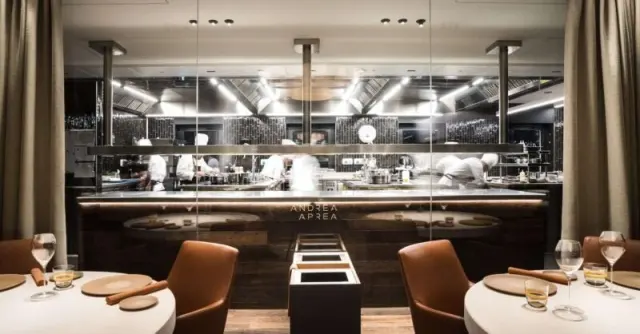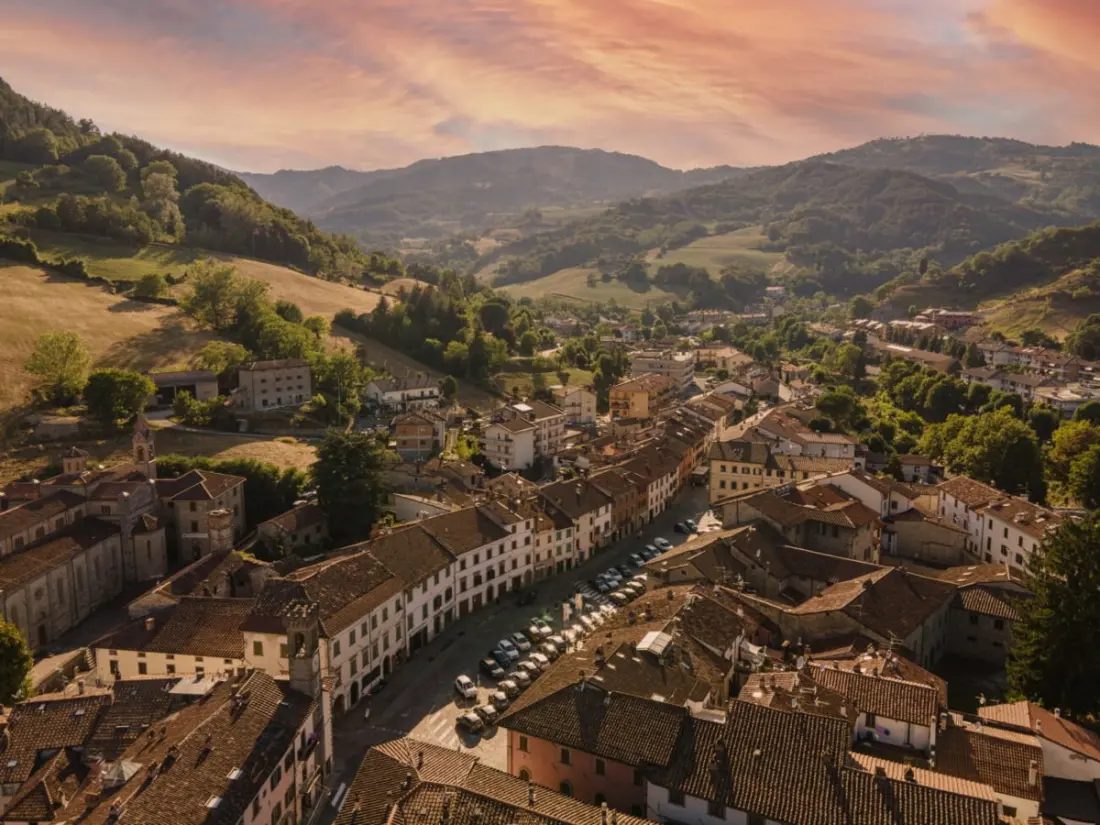
Some chefs chase cities. Gianluca Gorini walked away from one. In 2017, after years cooking in London kitchens, he and hospitality director Sara Silvani opened DaGorini in San Piero in Bagno, a mountain village of just over 3,000 people in Emilia-Romagna, well off the region's usual food-pilgrim routes between Bologna, Modena and Parma.
The bet looked risky at the time. Destination dining — people crossing countries for a single tasting menu — was only beginning to gather momentum, and a tiny Apennine town was not an obvious place for a gastronomically ambitious restaurant. But the couple weren't chasing a market. They were chasing a life. As Gorini puts it, opening the restaurant meant choosing the kind of life they wanted, one with family and community at the centre rather than the grind of a capital-city kitchen.
They didn't start from scratch, either. DaGorini took over a historic restaurant that had long been a serious name in Italian gastronomy, so the village already had food pedigree — the couple brought it back to life with their own values layered on top. Those values show up in the way the restaurant works: relationships with local producers and neighbours, deep kitchen experience, and constant research into what the surrounding area can offer on the plate.
It worked. DaGorini is now talked about internationally, and diners do make the trip to a village most map apps would treat as a pass-through on the way to somewhere else.
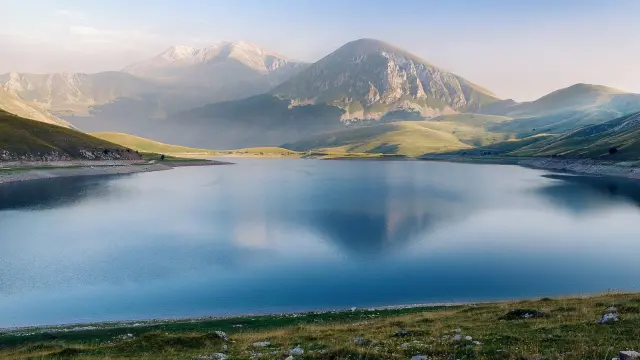
For travellers, this is part of a bigger, very useful shift: Italy's most interesting tables are increasingly not in Florence or Rome but in small towns where a chef's relationship with the land is the whole point. Emilia-Romagna rewards exactly this kind of detour. Base yourself in the region's better-known food cities, then drive into the Apennines for a lunch or overnight stay somewhere like San Piero in Bagno — the sort of place where the person in the kitchen knows the farmers by name.
The practical takeaway: if a restaurant earns international attention while sitting in a village of 3,000, that's a signal to book ahead and, ideally, stay the night. Mountain roads, a long menu and a bottle of local wine make driving back a poor plan.