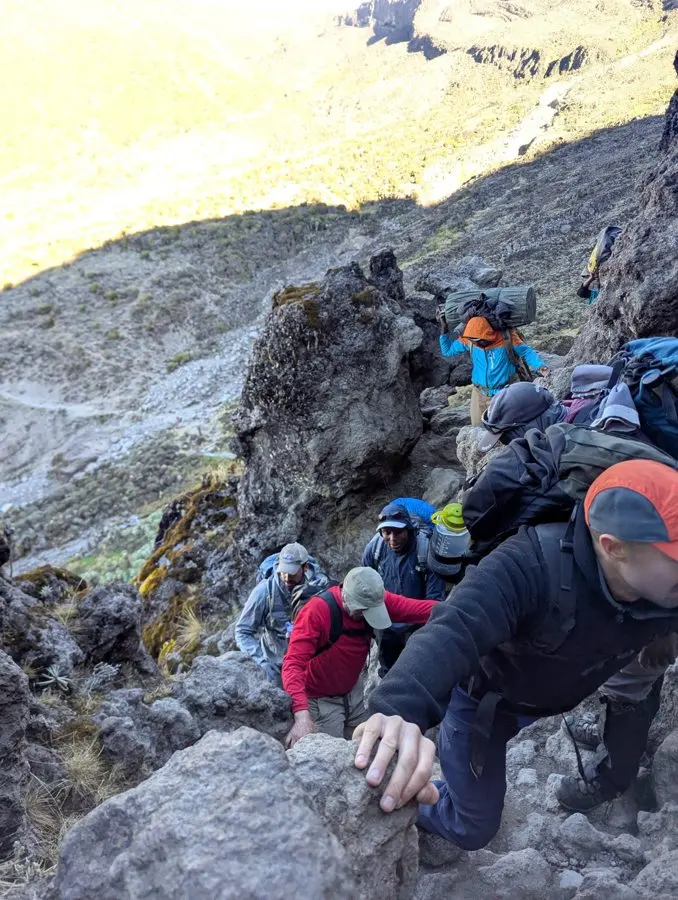
A short day by the numbers — just 3.3 miles with around 1,478 feet of climbing — but day five on Kilimanjaro's Lemosho route packs in one of the mountain's most talked-about obstacles: the Barranco Wall.
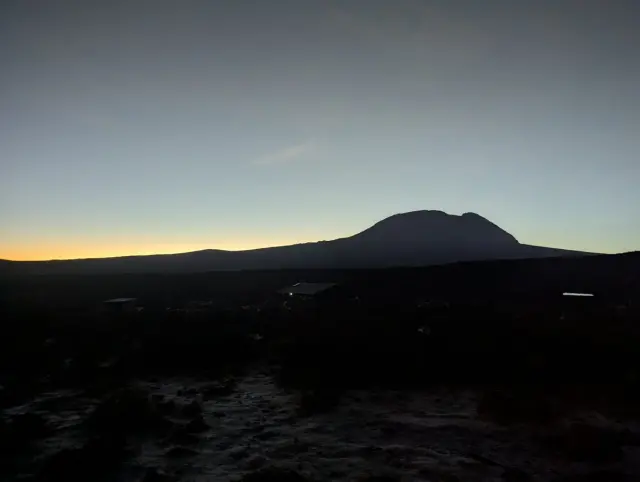
The day starts at Barranco Camp, at roughly 12,950 feet (3,950m), where a pre-dawn wake-up can pay off for stargazers. Once the waxing gibbous moon sets over the ridge, the southern sky opens up enough to spot the Large Magellanic Cloud — a reminder of just how far you are from city lights.
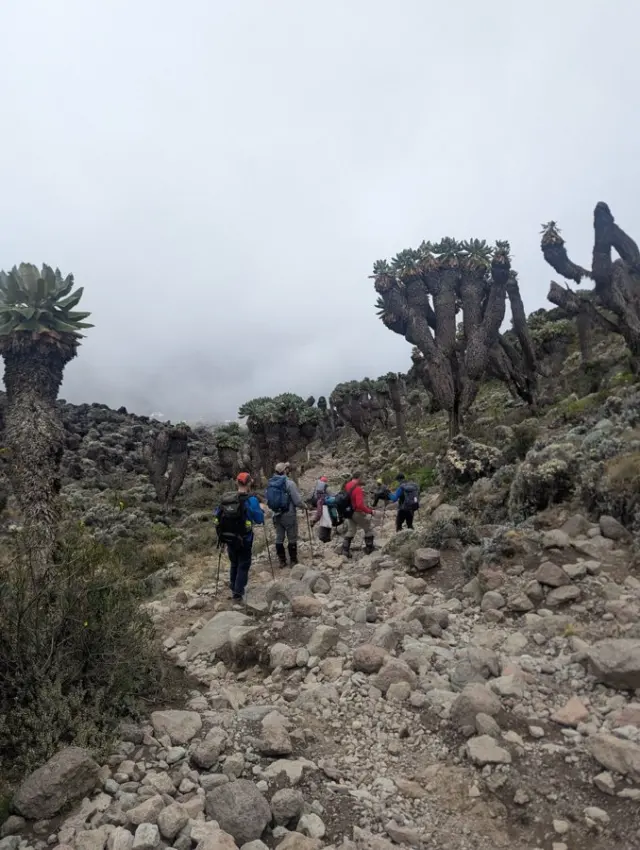
The wall itself is an 800-foot rock scramble that looms intimidatingly in the morning light. In practice, it's tamer than it looks. There's never enough exposure to make it genuinely dangerous, and trekkers with even a bit of scrambling or indoor climbing experience tend to find it genuinely fun rather than frightening. Guides on the Lemosho and Machame routes know it intimately and are happy for hikers to try alternate lines up the rocks. Expect porters to pass you on the way up, hauling huge loads on their backs or heads, sometimes hopping across rock sections you wouldn't guess were walkable.
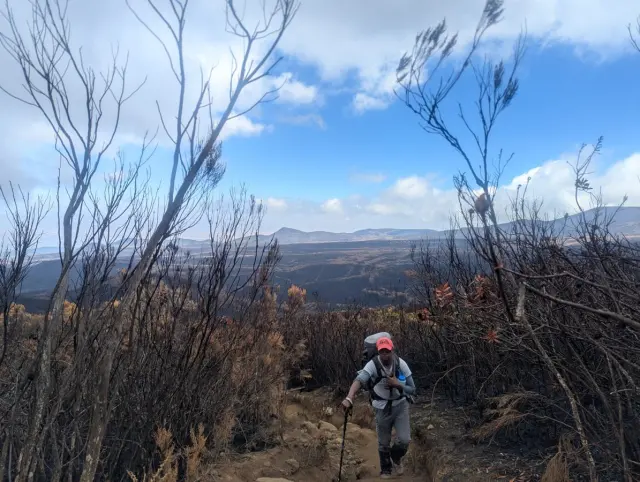
Beyond the wall, the trail rolls through a couple of valleys with shifting views of Kibo, the summit cone still towering thousands of feet above even though you're already walking at 13,000 feet. Karanga Camp (13,100 feet) arrives by early afternoon, leaving time to rest, charge devices and hydrate before the summit push. Be ready for a mix of sun, wind and fast-moving rain — camp staff dig drainage trenches around tents when weather rolls in. Dinner at this camp is typically hearty: think pumpkin soup, rice with peas and veggies, and a chicken sauce, served in helpings generous enough for tired legs.
One quirk for experienced trekkers: there's little emphasis on keeping food and scented items out of tents, since Kilimanjaro has no bears or problematic wildlife. Trash along the trail, sadly, is a known issue on Kili — good operators carry trash bags on every guide's pack, and picking up a bit of litter along the way is an easy way to give back.
Why it matters: Karanga is the last camp before the final push to the summit on the Lemosho and Machame routes, and day five is where nerves about the Barranco Wall get replaced by confidence. It's an acclimatisation day in disguise — short mileage, big views and an early night before the midnight climb to Uhuru Peak. For anyone planning a Kilimanjaro trek, this stage shows what the experience really feels like: the scrambling is manageable, the support crews do the heavy lifting (literally), and the mountain's day-to-day rhythm — cold nights, warm afternoons, sudden weather — is all part of it. Story via The Trek.