
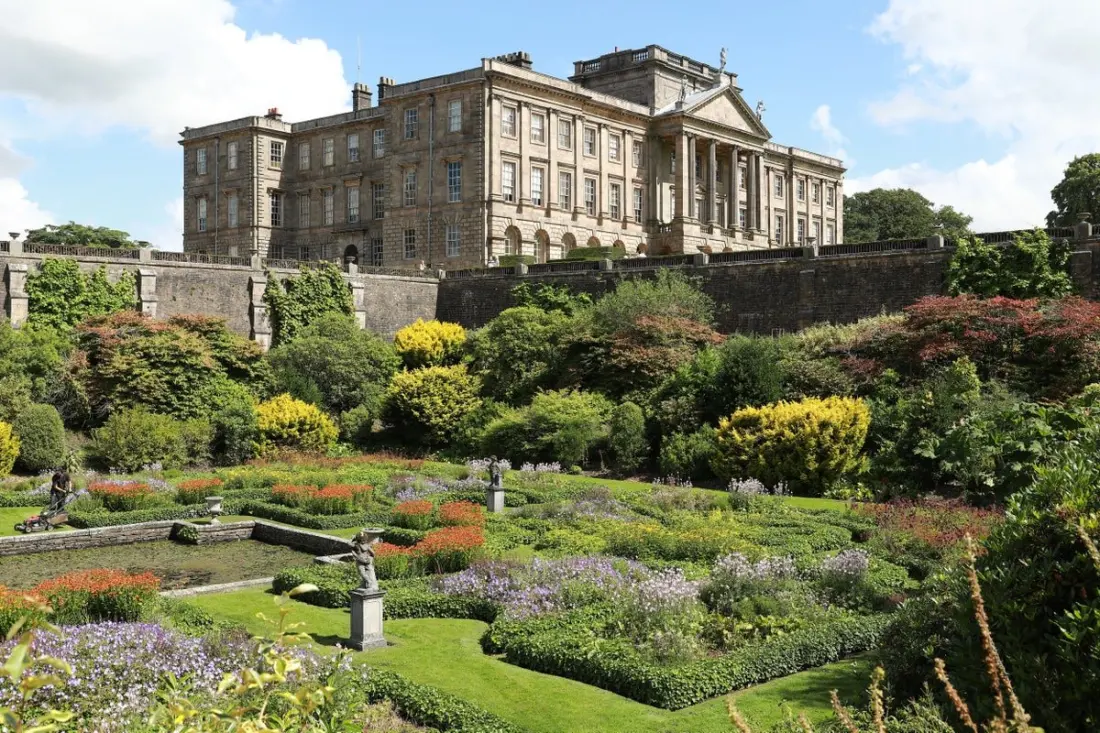
Heritage Open Days runs from 11 to 20 September, and for ten days England's most famous buildings, museums and odd little corners open their doors at no charge. It's the country's largest festival of history and culture, with more than 6,000 free events on the programme this year.
The festival began in 1994 as a way to widen access to historic sites, and it has grown into a national fixture. Last year some 2,500 organisers and 44,200 volunteers ran nearly 5,900 events, and 2025's edition promises even more. The guiding theme this time is "Everyday Histories" — the idea that history lives in markets, mills, terraces and lunchtime routines, not just stately homes.
The flagship line-up is nicely varied. Norwich Cathedral and Manchester's People's History Museum are headline venues, alongside Newcastle's Grainger Market, the National Trust's Killerton estate in Devon and the Guards Museum in London. Elsewhere, the British Library is showing off its robotic retrieval cranes at its Leeds site, Bletchley Park is running an interactive family day where kids can sign up as codebreaker recruits, and Wigan Athletic are giving away match tickets. In Northampton, the Sikh Museum and SGSS Gurdwara are welcoming visitors to share a traditional langar lunch — a genuinely memorable way to step inside a living community.
National Trust properties are heavily involved too. Hundreds of the charity's sites will drop their entry fees on certain days during the festival, with Cliveden House in Berkshire, Beningbrough Hall near York and Lindisfarne Castle on Holy Island among the names taking part. Worth knowing: the National Trust started Heritage Open Days back in the day, but most participating venues aren't Trust properties at all — that's what makes the festival so varied. You might find yourself in a Victorian pumping station, a synagogue or a private Georgian square you'd never normally get past the door of.
Practical tip: because the festival spans just ten days and individual sites choose their own opening days and hours, it pays to check the Heritage Open Days website and book ahead for popular spots. Some events are ticketed even though they're free, and the most famous buildings can fill up fast.
Why it matters for travellers: September is a lovely month to be in England anyway — fewer crowds, mild weather and late-summer light — and Heritage Open Days lets you see places that are either expensive or simply closed to the public for the rest of the year. It works just as well as the backbone of a dedicated trip as it does as a free add-on to a city break in London, Manchester, Newcastle or Norwich. There's also a fresh energy around the programme: the National Trust reports a record wave of new young members, with more than 50,000 people aged 18 to 25 joining in the past year, which suggests the next generation is taking these places seriously.
If you're in England between 11 and 20 September, this is one of the best-value cultural windows of the year. Pick a region, shortlist a few events, and go explore somewhere you've walked past a hundred times without ever going inside.