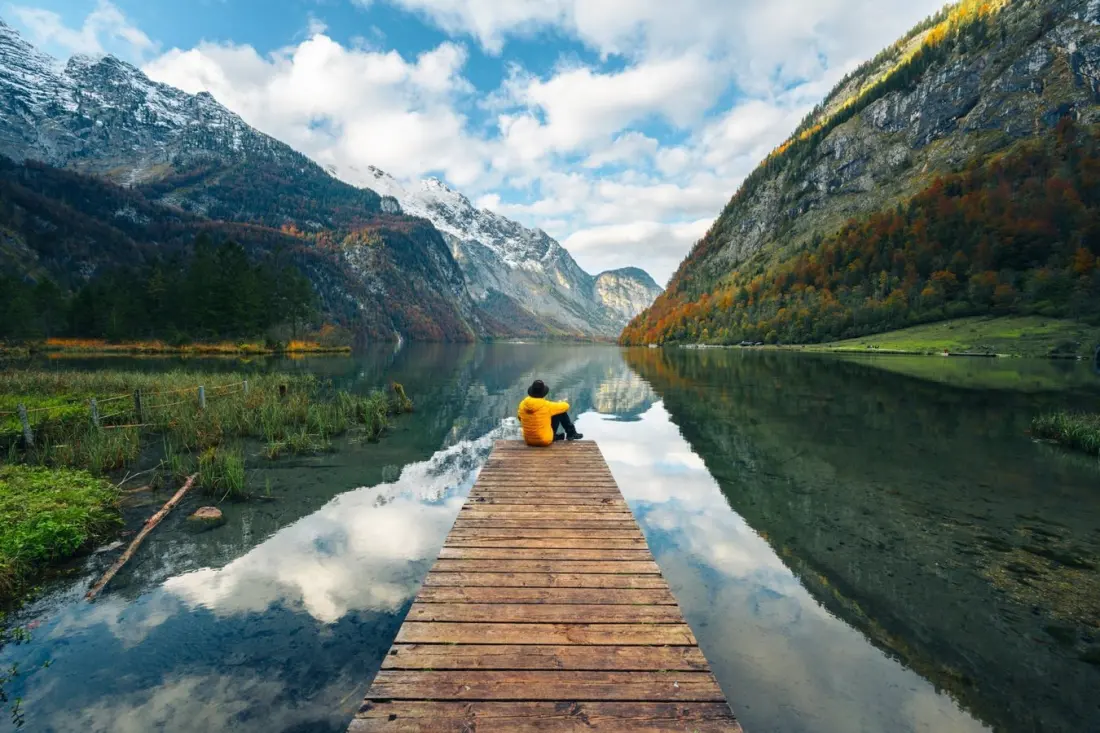
Travelling alone means every decision — and every risk — lands on you. The team at The Points Guy recently pooled their road-tested solo safety habits, and the advice is refreshingly practical rather than paranoid. Here's what's worth stealing for your next solo trip.
Start with where you stay. Several of TPG's editors favour hotels over holiday rentals when travelling alone: there's staff on hand around the clock and a layer of security between the street and your door. Hotels also double as a social buffer — a lobby to sit in when you want company without commitment. One editor suggests easing in with quieter, smaller destinations rather than diving straight into a big foreign city, especially if it's your first solo trip since a major life change.
Planning is the other half of the equation. One writer starts each day in a coffee shop writing out the day's plan on paper — partly to stay on track, partly so she has a record if her phone dies or Wi-Fi vanishes. Underplanning was the biggest regret from TPG's writer's first European solo trip: too many on-the-spot decisions once you arrive gets overwhelming fast.
On the ground, the golden rule is not advertising that you're alone. If asked, say you're meeting friends later, and never say your hotel room number out loud — write it down. Editors were also blunt about the people-pleasing trap: a firm 'no, thank you' is fine when a conversation turns sketchy. You can still make friends — group walking tours, cooking classes and workshops came up as the best way to be social without being isolated. One writer moves accommodation every three days on longer trips to keep loneliness at bay.
Backups matter more when nobody else is watching out for you. Recommended moves: enrol in the US State Department's STEP programme for emergency alerts, share flight and hotel details with someone at home (one editor's mother rebooked her missed connection from the ground while she was stuck mid-air with bad Wi-Fi), ping any locals you know before you arrive, and keep location sharing switched on via apps like Find My. Don't trust Wi-Fi alone — print confirmations and contact details, and carry a power bank.
Packing tips were equally concrete: some local cash for cash-only spots and broken ATMs, an anti-theft bag for passports and cards in pickpocket territory, cheap zipper clips for backpacks, plus optional extras like a personal alarm, a door lock or a portable safe for beach days.
And because solo travel also means nobody to take your photo, the team rates a flexible tripod with a Bluetooth remote — used sensibly, away from crowds — and a clip-on screen-mirroring monitor so you can frame wide shots of yourself without handing your phone to strangers.
None of this turns a solo trip into a security operation. It's a handful of small habits that lower the risk and free you up to actually enjoy the place you came for.