A 26-year-old Australian man is recovering in intensive care in Kathmandu after falling from a cliff while trekking alone near Lobuche, in Nepal's Everest region. The trekker, Joshua Patrick Cherubino, suffered severe head injuries at Kongma La Pass and was first taken to Lobuche before being flown out by helicopter on October 27, according to reports in The Tourism Times.
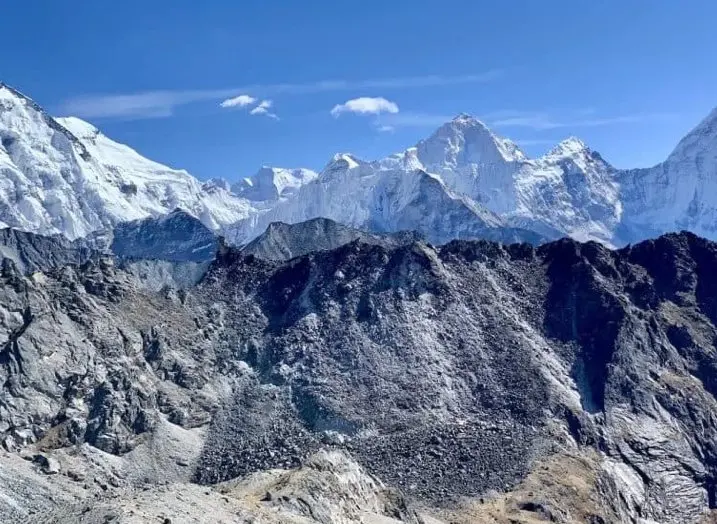
The location matters. Kongma La sits at roughly 5,535m and is the highest of the three crossings on the Everest Three Passes circuit — a demanding route linking the Imja Valley near Chhukung with Lobuche. It involves hours of travel over rocky, non-glaciated moraine, and the descent toward Lobuche is notoriously loose underfoot, coming at the end of a long day already spent at extreme altitude. Even experienced trekkers find it tiring and exposed; a fall there is serious by default.
What makes the case a talking point is the fact that Cherubino was solo. Since 2023, Nepal's Tourism Board has required all foreign trekkers in national parks — including Sagarmatha, the park that covers the Everest side — to be accompanied by a licensed guide. But enforcement is patchy: the local Pasang Lhamu Rural Municipality issues its own permits and has never strictly applied the national rule, so independent trekking remains common on the main Everest trails. Officials speaking to The Tourism Times were blunt, calling unguided travel a violation of the mandatory rule and a recurring cause of avoidable rescues.
For anyone planning an Everest-region trek, the practical takeaway is twofold. First, the legal situation is genuinely ambiguous in practice — you may get a permit without a guide, but you are technically breaking the national requirement if you go alone, and if things go wrong you'll likely be arguing about it while waiting for a helicopter. Second, routes like the Three Passes are not the place to test your luck. The passes are long, high and remote, with real consequences if you twist an ankle, misjudge the terrain, or develop altitude sickness with no one around to help.
If you're set on the Everest region, a guide costs relatively little compared to the overall cost of getting to Nepal, and adds navigation, local knowledge and someone to raise the alarm — small comforts that matter at 5,500m. If you still want independence, the more popular EBC trail offers a middle ground, with teahouses and traffic that reduce the isolation risk.
Story reported by ExplorersWeb.