Spain's parliament has thrown out the government's flagship housing package, and one of the casualties could matter to anyone booking an apartment in Barcelona or Madrid: tighter rules on short-term holiday rentals.
On Friday, lawmakers voted down a decree from Prime Minister Pedro Sánchez's minority government that would have banned evictions of vulnerable tenants until 2030, extended a rent freeze on existing leases by two years and imposed stricter regulation of short-term rentals — the category that covers much of Spain's tourist accommodation. A second decree, proposing automatic indefinite renewal of rental contracts, also failed. Both went down after Junts, the Catalan separatist party that Sánchez relies on for support, sided with the opposition People's Party, arguing the measures would shrink housing supply rather than grow it.
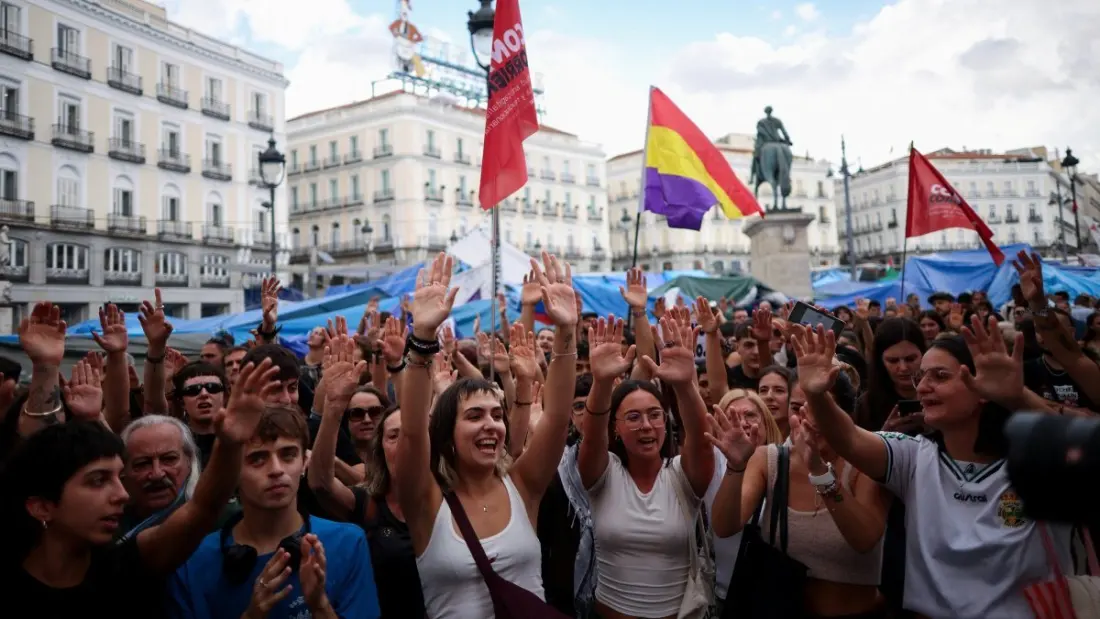
The vote came after weeks of street protests triggered by the eviction of an 87-year-old pensioner, Maricarmen Abascal. Young demonstrators have camped in Madrid's central square and other cities for nearly a week, in scenes echoing the anti-austerity occupations of 2011. The Tenants' Union says the encampments will expand and is calling for a general strike, with more mass rallies planned for Saturday. Spanish media reported before the vote that Sánchez might call a snap election in November if the legislation failed; his office wouldn't confirm, and the PP says it would welcome one.
The numbers explain the fury. Rents have doubled in a decade, with average monthly prices hitting €1,176 — which the Youth Council of Spain calculates as 98.7% of the average young person's salary. Many Spaniards live with their parents well past 30. Tourist flats are a visible target in that argument: locals blame short-term lets for draining long-term housing stock in cities like Barcelona, which has already announced plans to phase out licensed tourist apartments by 2028.
For travellers, the near-term picture doesn't change. The decree is dead, so existing rules still apply and your autumn city break booking is unaffected. But Spain's regulatory direction of travel is unmistakable: whoever wins the likely election, pressure to restrict holiday rentals isn't going away, and prices for legal tourist accommodation in major cities may keep climbing as supply gets squeezed. Protest activity is also worth a glance before travel — central Madrid's square has been occupied, and further rallies and possible strike action could disrupt city-centre transport and access to some sights.
If you're planning a Spain trip in the coming months, book licensed accommodation, check whether any rally dates coincide with your stay, and expect the holiday-rental debate to feature in the election campaign. What happens next in Spanish politics will shape what's legal to rent — and where — for years to come.
Via Daily Sabah Travel