A Dominican province most travellers skip on the way to the coast is making a play for the spotlight. The fourth edition of FESTUR Sánchez Ramírez runs from November 5 to 9, 2026, at the Hatillo Dam — one of the largest reservoirs in the Caribbean — and organisers expect it to be the biggest yet.
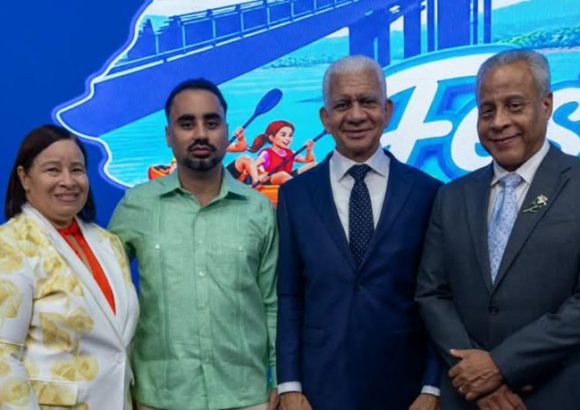
The festival, presented in Santo Domingo with Senator Ricardo de los Santos on hand, carries the theme "Living Territory, Our Land, More Than a Destination." That sums up the pitch: this is the country's interior, a region of rolling hills, rivers and rural traditions rather than all-inclusive beaches, and the event is designed to put it on the map.
The programme is packed for five days. There are guided tourist routes, horseback riding, a 6K road race, other sporting events and an ecological fishing tournament on the dam itself. A food fair, arts and crafts exhibitions and live cultural performances round things out, with commercial stands and a Podcast Center for exhibitors and creators.
A couple of details set this edition apart. The United States is the invited guest country and Hermanas Mirabal the invited province, encouraging cross-regional exchange. Organisers are also investing in permanent infrastructure, including a renovated Cultural Train that will operate beyond the festival dates — a sign they want visitors year-round, not just for one long weekend.
The numbers back up the ambition. Previous editions drew between 30,000 and 40,000 visitors across just three days; stretching the programme to five should push attendance higher. For local entrepreneurs, FESTUR doubles as a business networking event, with spaces to sell products and services to a large captive audience.
Why should this be on your radar? If you've already done Punta Cana and Puerto Plata and want a genuinely Dominican experience — fishing tournaments, trail rides, roadside sancocho, small-town festivals without tourist-trap pricing — early November in Sánchez Ramírez is an easy sell. It pairs well with a trip to nearby Cotuí or the Hermanas Mirabal province, and it's a chance to see a part of the country most foreign visitors never reach.
Story via Dominican Today.