Spirit Airlines stopped flying on May 2, 2026, ending a run as America's eighth-largest carrier and the airline that brought the ultra-low-cost model to the United States. A $500 million federal rescue fell apart when creditors rejected the terms, and after two bankruptcies since 2024 plus a fuel price spike following the 2026 Iran war, there was nothing left to prop up. There was no farewell tour — aircraft grounded that morning, and more than 2,000 pilots lost their jobs. It's the first collapse of a major US carrier since Midway Airlines after September 11, 2001.
Here's the number travellers should care about: analytics firm Cirium tracked the 1,126 city pairs Spirit served in June 2025 and found fares rose on more than 90% of them over the following year, with a median increase of 25.3%. That's the price of losing a fare-setter. Even people who never booked Spirit benefited from its presence, because competitors had to match its base fares. The wider market makes it worse — CPI data put airfares in August 2026 up 24% year over year, and Hopper reported Thanksgiving domestic fares running 31% higher.
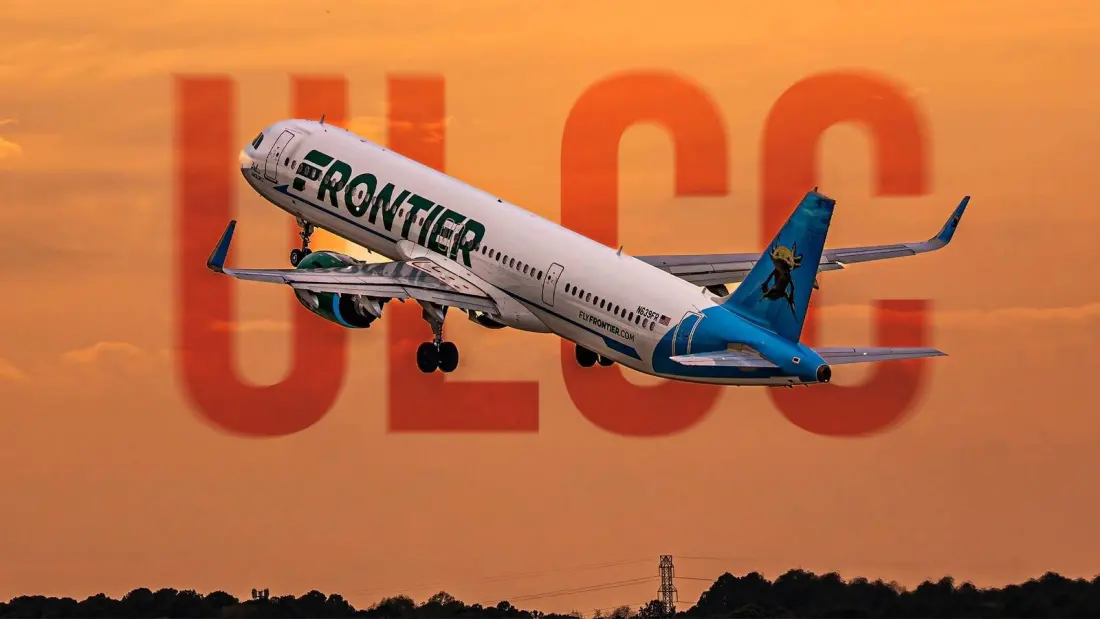
Frontier moved fastest. Within hours it launched half-price rescue fares across its network, then pushed into former Spirit territory — eight new routes by early July with introductory fares from $39 one way to cities like Boston, Detroit, Dallas and Las Vegas, and expansion on more than 100 shared routes. It's now the largest surviving ULCC in the country, targeting Spirit's strongholds of Dallas-Fort Worth, Detroit, Fort Lauderdale and Orlando. Fittingly, Frontier had twice tried to buy Spirit and lost — once to JetBlue — and even collected a $25 million break fee in 2022. Now it has the routes for free.
But Frontier's record second quarter tells a complicated story. Revenue hit $1.279 billion, up 38%, yet the airline still lost $90 million on a GAAP basis thanks to fuel costs. More telling: revenue per passenger rose $22.19, and $22.10 of that came from higher fares, not fees. Ancillary revenue was essentially flat. In other words, the add-ons that define a ULCC stopped doing the heavy lifting — Frontier is behaving more like a conventional airline, adding first-class seats, Starlink Wi-Fi and loyalty perks.
Cheaper options haven't vanished entirely. Allegiant, JetBlue, Breeze, Avelo and Sun Country all undercut the legacy carriers, though most charge for bags and seat selection and few match Spirit's coverage. For holidaymakers, the practical takeaway is that the rock-bottom fare floor in the US market is gone, so booking early matters more than it did a year ago — and on routes Spirit once served, expect to pay noticeably more unless a low-cost rival moves in.
Story first reported by Simple Flying.