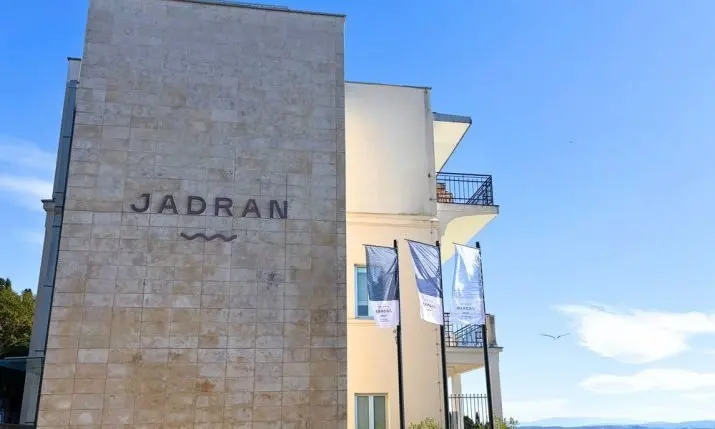
One of Rijeka's most familiar seafront buildings is back in business. Hotel Jadran, which first opened its doors on 28 June 1914, has relaunched on the Pećine waterfront after an extensive renovation — and it now carries a distinction: it's the first hotel in Croatia to join Marriott's Tribute Portfolio, a collection of independent-minded properties that keep their own character while plugging into a global network.
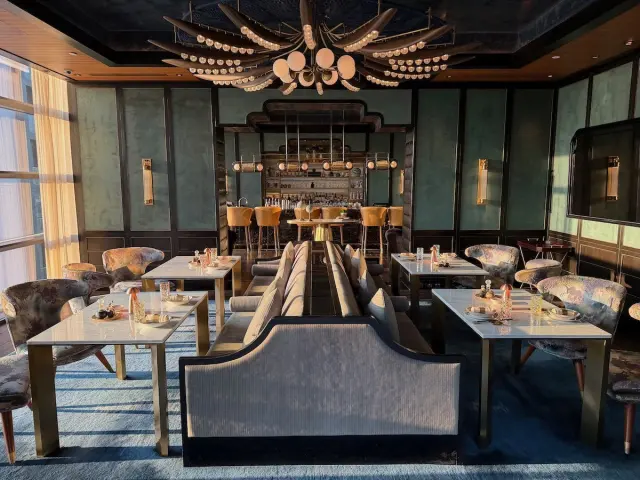
The refurbishment hasn't tried to turn the clock back. Instead of recreating its old interiors, the hotel leans into its maritime setting. Architect Saša Randić handled the building, while interiors are by designer Saar Zafrir — deep blues, natural materials and Adriatic detailing, with contemporary lines throughout. The concept is called Port of Discovery, framing the hotel as a base for getting into Rijeka and the wider Kvarner region.
In practical terms, you get 67 rooms and three suites, most of them looking out over the sea and Kvarner Bay. There's a fitness area with a view, saunas, meeting and event space, and access to the bathing area that has been part of the property since day one — the hotel has always doubled as a swim-and-social spot for locals, rowers and artists. A seasonal Seafront by Jadran bar sits on the water, and terraces keep the waterfront front and centre.
There's a literary thread too: the hotel plays up the story of room 306 and Croatian writer Ivana Brlić-Mažuranić, positioning itself as a place for reading and writing as much as swimming and eating.
The main social hub is doca Restaurant, Bar & Lounge, serving contemporary Mediterranean food built on local ingredients — from morning coffee through lunch, dinner and cocktails. Crucially, it's aimed at locals as much as guests, part of a deliberate push to make the hotel a city meeting point rather than a sealed-off resort. Hotel director Vlatka Stanić has said the goal is a property that belongs to both visitors and Rijeka itself, with staff pointing guests towards local food, stories and everyday experiences.
Why does this matter for travellers? Rijeka has long played second fiddle to Opatija, Dubrovnik and the Dalmatian coast, but it has real credentials — a former European Capital of Culture, a genuinely working port city with austro-Hungarian architecture and a grittier charm than most Adriatic resorts. A Marriott-affiliated option with year-round ambitions gives the city a hotel that works outside the peak summer months, which is exactly what Kvarner needs. If you've been waiting for a solid reason to put Rijeka on a northern Croatia itinerary alongside Istria or the islands, this is a decent one.