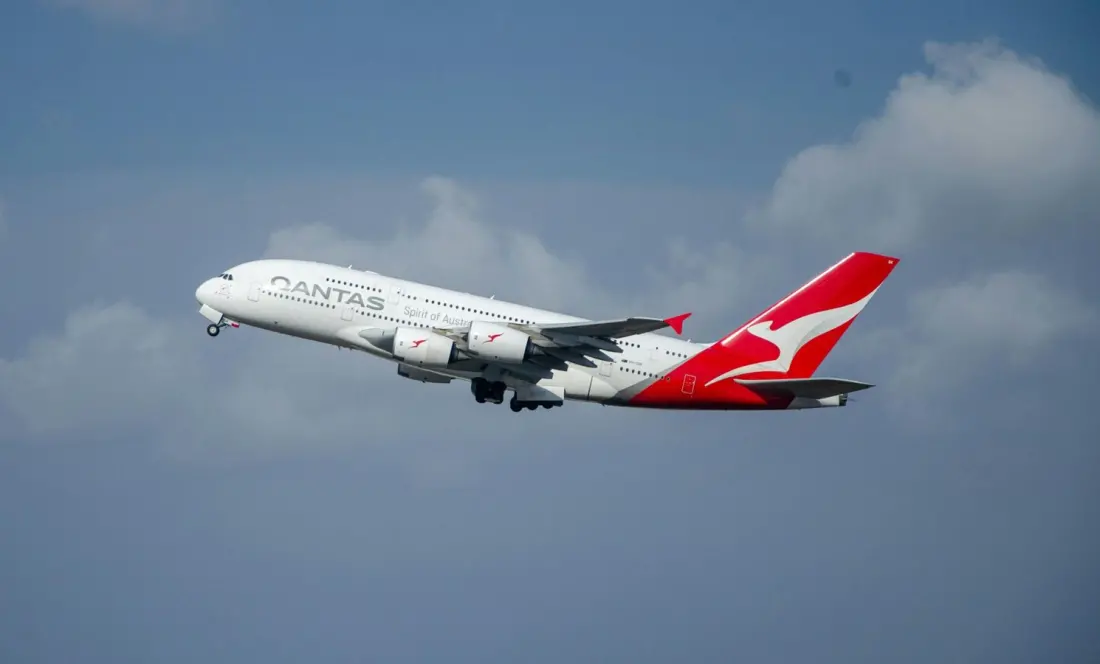
It took insects smaller than an apple seed to sideline a Boeing 787. Qantas scrapped the return leg of its Perth–Rome service on 10 October 2026 after bedbugs turned up among the economy seats at the front of the aircraft, forcing the plane out of service for a deep clean on arrival in Italy.
The bugs were spotted during the Friday 9 October flight from Perth to Rome. Engineers inspected the aircraft and maintenance teams carried out a full disinfection, but the damage had already spread to the schedule: the following day's flight back to Australia was cancelled outright. Stranded passengers were put up in Rome and rebooked onto alternative services within 48 hours of their original departure. Qantas apologised and pointed out that its fleet is cleaned and disinfected every 50 days as standard — clearly, that cycle wasn't enough to catch this one.
Bedbugs are a stubborn adversary for airlines. The adults are nocturnal, blood-feeding, and just under a centimetre long, hiding in dark seams and crevices where they're hard to spot and harder to kill — fabric generally needs washing above 55°C, and serious infestations often require fumigation. They don't carry disease and they can't fly, but they hitchhike brilliantly, and long-haul passengers moving between continents are one of their favourite transport methods. Once a few settle into a seat, an aircraft cabin is essentially a warmed mattress that flies.
This isn't an isolated storyline in travel right now. Paris saw a wave of bedbug panic on its metro and trains around the 2024 Olympics, and the UK is dealing with what several outlets describe as its worst outbreak in years. The Times cited monitoring data showing cases rising 20 to 25 per cent a year in London and other big European cities. Southeastern rail services in Kent, East Sussex and Greater London were pulled for cleaning recently, and a library in Eastbourne closed for the same reason.
For travellers, the practical takeaway is vigilance rather than alarm. Check hotel mattress seams and headboards before unpacking, keep luggage off the bed and floor where possible, and if you spot small blood stains or itchy welts after a flight or a hotel night, wash everything hot when you get home. Bedbugs don't discriminate between budget hostels and five-star suites — or, as Qantas just demonstrated, between economy and the front rows of a long-haul Dreamliner.
If an airline cancels your flight over an infestation, you're generally entitled to rebooking and care, so keep receipts for accommodation and meals and push your carrier for coverage, as Qantas did here. And if bedbugs follow you home, the advice from pest experts is consistent: confirm the infestation, contain it, treat affected items at high heat, and call in professionals before it spreads.