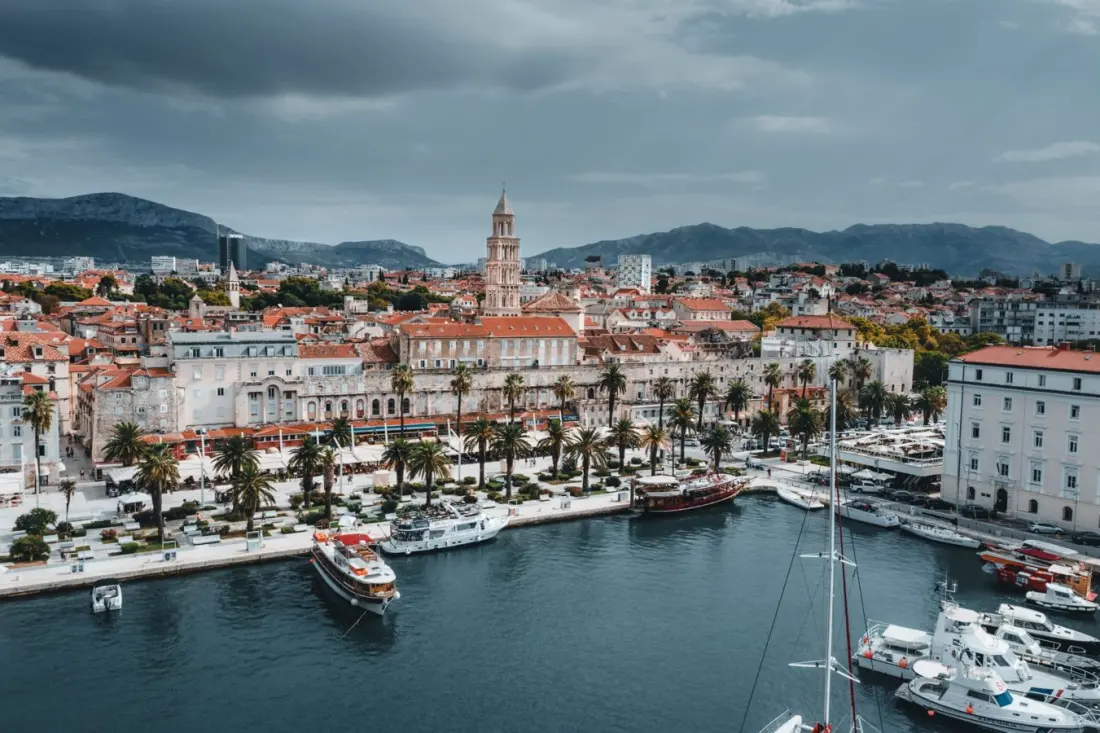
A row is brewing in Croatia's second city. Split's small family landlords, organised under the association 'Let's Save Small Family Landlords' (SMOi), have formally objected to the city's draft Destination Management Plan, arguing it tilts the playing field decisively towards hotel chains and campsites at the expense of ordinary locals who rent out rooms and apartments.
Their complaint, submitted to the City of Split and reported by Morski, takes aim at the expert basis prepared by the Institute for Tourism. The draft envisions boosting the share of hotels and campsites by up to 65 percent, while private accommodation faces restrictions — a combination the association says is backed by no clear evidence. The sting in the tail: the Plan's own data show more than 85 percent of tourists are extremely satisfied with the quality of private accommodation.
There's a domestic-demand paradox too. National tourism bodies keep stressing the importance of Croatian guests, yet the Plan's figures show domestic arrivals in private accommodation in Split jumped 30.5 percent in a single year, with overnight stays up 20.9 percent. Hotel overnight stays by domestic guests actually fell 1.6 percent. SMOi vice-president Hana Matić asks what scientific criteria could justify expanding hotels while restricting the segment where demand is growing fastest.
The stakes go beyond statistics. According to the Plan's own survey, 36.1 percent of respondents say tourism is their family's main or additional income. Restricting family rentals, the association argues, would also hit the craftsmen, restaurants, shops and services that live off these guests. And the affordable-housing argument doesn't convince them: the Plan itself flags potential for almost 15,000 new apartments, while unused state and city properties sit ignored. Association president Vedran Tomić points out that institutional buildings are being converted into hotels, student dormitories are rented to tourists in summer, and private hotel investments receive public co-financing — while citizens' private property alone gets restricted. "A tourist bed cannot be a problem when it belongs to a citizen, and desirable when it belongs to a hotel," he says.
The decision now sits with Mayor Tomislav Šuta and the city administration. SMOi wants solid evidence, a detailed economic impact analysis and equal treatment across all tourism players before any restrictions land.
Why should travellers care? Split's accommodation mix has long been one of its charms — family-run apartments and rooms in and around the old town, often cheaper and more characterful than hotels. If the Plan goes through as drafted, the city could look very different in a few years: fewer local hosts, more large-scale resorts. Anyone who books Split apartments and self-catering stays, or who likes their holiday money going to local families rather than hotel groups, has a stake in how this fight ends. Expect the debate to shape not just prices and availability but the whole feel of a Split holiday.