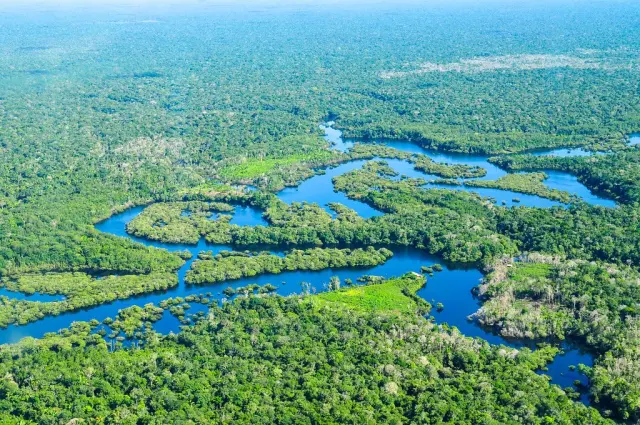
Brazil has added roughly 47,260 hectares (about 116,780 acres) of protected land to Pantanal Mato-Grossense National Park, bringing the reserve to around 183,095 hectares in total. The presidential decree was signed on 23 March 2026 and covers land in the state of Mato Grosso, deep in the world's largest tropical wetland.
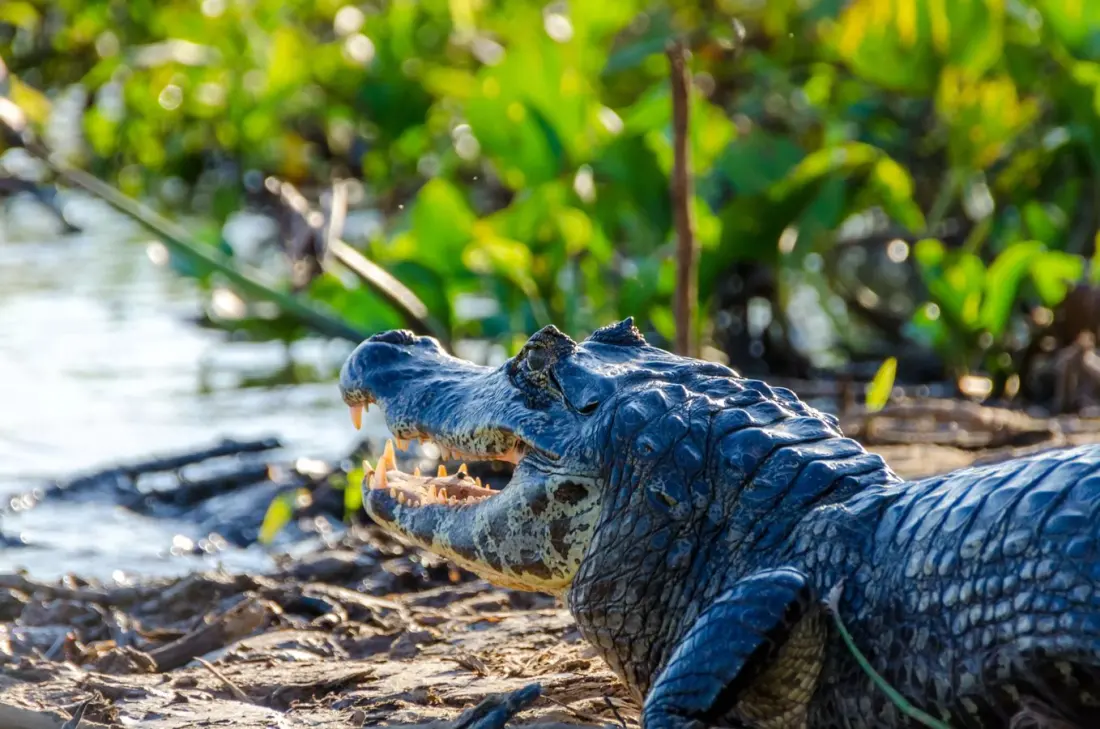
Why it matters: this patch of seasonal floodplain is arguably South America's best wildlife stage. The Pantanal supports more than 236 mammal species, 463 bird species and 269 fish species, and it holds the highest concentration of jaguars anywhere on Earth. Giant otters, tapirs, giant anteaters and giant armadillos all live here too. For travellers, that means the odds of an actual sighting — not just a footprint in the mud — are better here than almost anywhere else.
The logic behind the expansion goes beyond fencing off more hectares. The park's manager, the Chico Mendes Institute for Biodiversity Conservation (ICMBio), has mapped biological corridors that animals use to move between the park and surrounding land. Keeping those routes open prevents populations from becoming isolated and protects genetic diversity, which matters most for endangered species. Success will depend partly on cooperation with nearby landowners, since wildlife doesn't stop at park boundaries.
The timing isn't coincidental. The Pantanal has taken repeated hits from wildfires and drought in recent years, and changes to the rivers feeding the wetland threaten the seasonal flooding that the whole ecosystem depends on. Conservationists have long pushed for stronger protection of key breeding areas, and the Ramsar Convention flagged the region as a wetland of international importance more than three decades ago. The expansion doesn't solve every problem, but it puts more of the habitat under formal protection.
For anyone planning a trip, the practical upshot is simple: more secure habitat tends to mean healthier wildlife populations, which is exactly what you want when you've flown a long way for a jaguar. Most visitors base themselves around Porto Jofre in Mato Grosso, where boat trips along the Cuiabá River offer some of the most reliable big-cat viewing on the continent. The dry season concentrates animals around shrinking water sources, making wildlife-watching noticeably easier. Birders do well year-round, with everything from hyacinth macaws to jabiru storks on the list.
If Brazil's wildest wetland has been sitting on your list, this is a good moment to pay attention — the animals just got a bit more room, and the case for visiting while it thrives got a bit stronger.