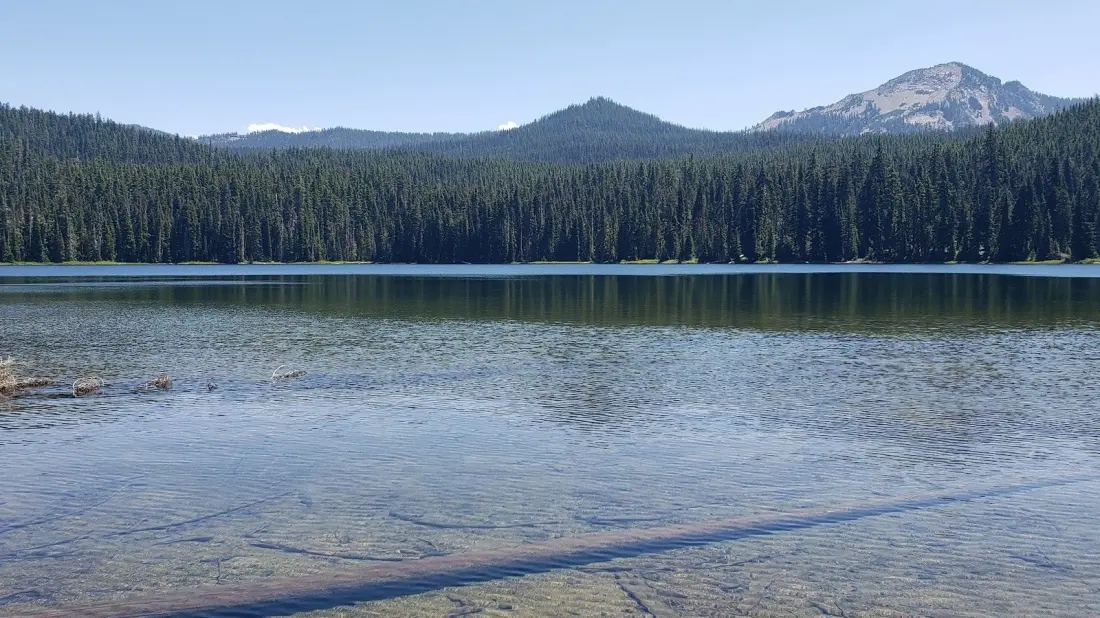
Crater Lake pulled in more than 630,000 visitors in 2025, and Trillium Lake near Mt. Hood gets so jammed in summer that officials have floated adding a shuttle just to handle the parking crunch. If that sounds like your idea of a headache rather than a holiday, there's a lesser-known option about 50 miles north of Crater Lake: Timpanogas Lake, tucked into the Willamette National Forest.
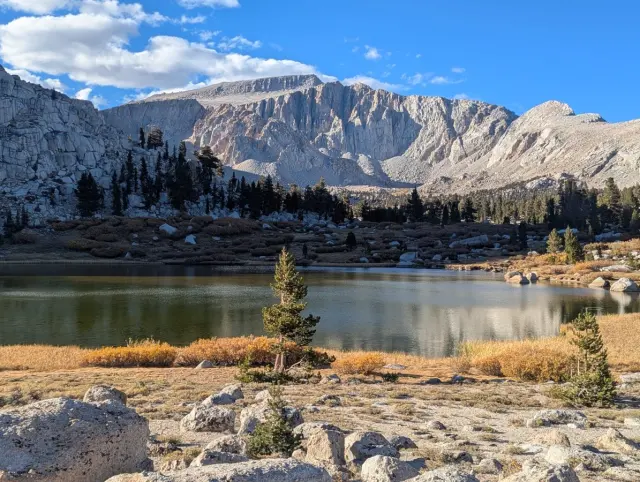
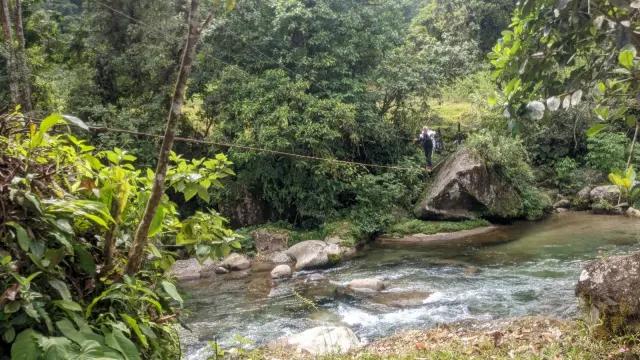
This is actually a pair of lakes — Upper and Lower Timpanogas — sitting at 5,300 feet between Cowhorn Mountain, Sawtooth Mountain, and Diamond Peak. Small it may be (38 acres, under a mile of shoreline), but it matters: these are the headwaters of the Willamette River's Middle Fork. For hikers, it's a jumping-off point into the High Cascades, with 23 miles of trails in the surrounding basin. A relatively easy walk links the campground to Indigo Lake below Sawtooth Mountain, while longer routes push on to Cowhorn Mountain's summit and the Diamond Peak Wilderness.
Anglers have plenty of reasons to pack a rod. Cutthroat and brook trout are the local stars, with largemouth bass, yellow perch, bluegill, and coho salmon also in the mix. You'll need an Oregon angling license — short-term options are available online via the state's Department of Fish & Wildlife. On the water itself, motorboats are banned outright, so it's kayaks, canoes, and paddleboards only, plus swimming if you fancy a cold dip.
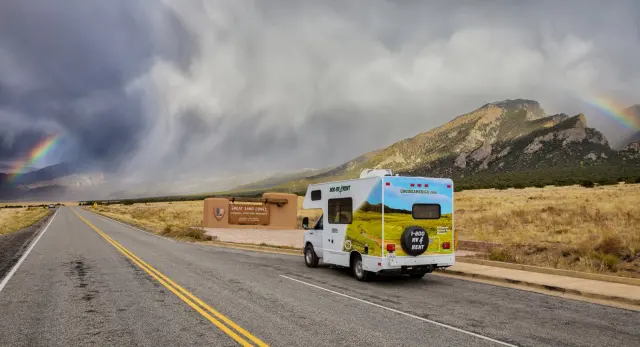
Camping here is properly rustic. The Timpanogas Campground runs from June to late October, weather permitting, with 10 first-come, first-served sites and one reservable cabin heated by a wood stove. Expect pit toilets and a water pump, nothing more — no electricity, and you'll need to bring everything in, firewood included. The final miles of Forest Road 2154 are narrow and unpaved, so big rigs may struggle, though campers say many sites sit right on the lakeshore with cracking views.
A few practical warnings. Mosquitoes at high-elevation lakes are no joke in summer — reviewers cheerfully describe "lots of bugs but worth every bite" — so pack a serious repellent or aim for September or October, when the swarms die down but mornings can dip below freezing. Wildlife watchers, meanwhile, have a genuine shot at bald eagles, Roosevelt elk, bobcats, and black bears in the surrounding forest.
Getting there takes roughly 2.5 hours by road from either Eugene or Klamath Falls, and Eugene's small airport handles commercial flights from West Coast cities. The nearest settlement, Crescent Lake Junction, is about 20 miles east, where the Odell Sportsman Center sells groceries, sandwiches, and fishing gear. If sleeping on the ground isn't your thing, there's the Willamette Pass Inn and the Hoodo Crescent Junction RV Park nearby.
Stick around and the region keeps giving: Crescent Lake offers beach camping and fishing close to the junction, and Summit Lake — under 5 miles north of Timpanogas — has kayak-in campsites, berry picking, and a trailhead onto the Pacific Crest Trail. For anyone who wants Oregon's Cascades without the coach tours and full car parks, this corner of the Willamette National Forest is a solid bet.
Thanks to Islands for the original report.