Sigiriya at sunrise, the cave temples of Dambulla, cycling through Polonnaruwa's ruins — the Cultural Triangle earns its reputation, and no one should skip it on a first Sri Lanka trip. But the island has far more to offer than one well-trodden corner, and a veteran traveller who has returned more than a dozen times since 2007 has mapped out the quieter corners worth building a trip around.
Timing matters more here than in most destinations, because Sri Lanka has two monsoons. The southwest monsoon soaks the south and west coasts from around May to July, while the heavier northeast monsoon hits the north and east from roughly October to December. Practically, that means beach season on the south and west runs December to March, the east coast shines from April to September, and the hill country is best February to April. Somewhere on the island is almost always in season.
The east coast is the summer answer. Trincomalee, with one of Asia's finest natural harbours watched over by the Koneswaram temple on Swami Rock, pairs well with snorkelling at Pigeon Island off Nilaveli and the Kayankerni reef, a marine sanctuary since 2019, where local guides lead swims among coral, turtles and tropical fish. Summer is also blue whale season off Trincomalee. The shallow bay at Pasikudah, home to the family-friendly Uga Bay hotel, lacks the strong currents of the southern beaches, and the rare Puli Kooththu folk dance survives only on this coast.
Further inland, Gal Oya is the writer's top pick anywhere on the island: the only Sri Lankan national park offering boat safaris, on Senanayake Samudra, the country's largest reservoir, where elephants sometimes swim between forested islands. Gal Oya Lodge's nine thatched bungalows sit in 20 acres of private forest, and walks with the Vedda, Sri Lanka's indigenous forest people, reveal traditional honey harvesting and hunting methods. The six-plus hour drive from Colombo keeps the crowds away.
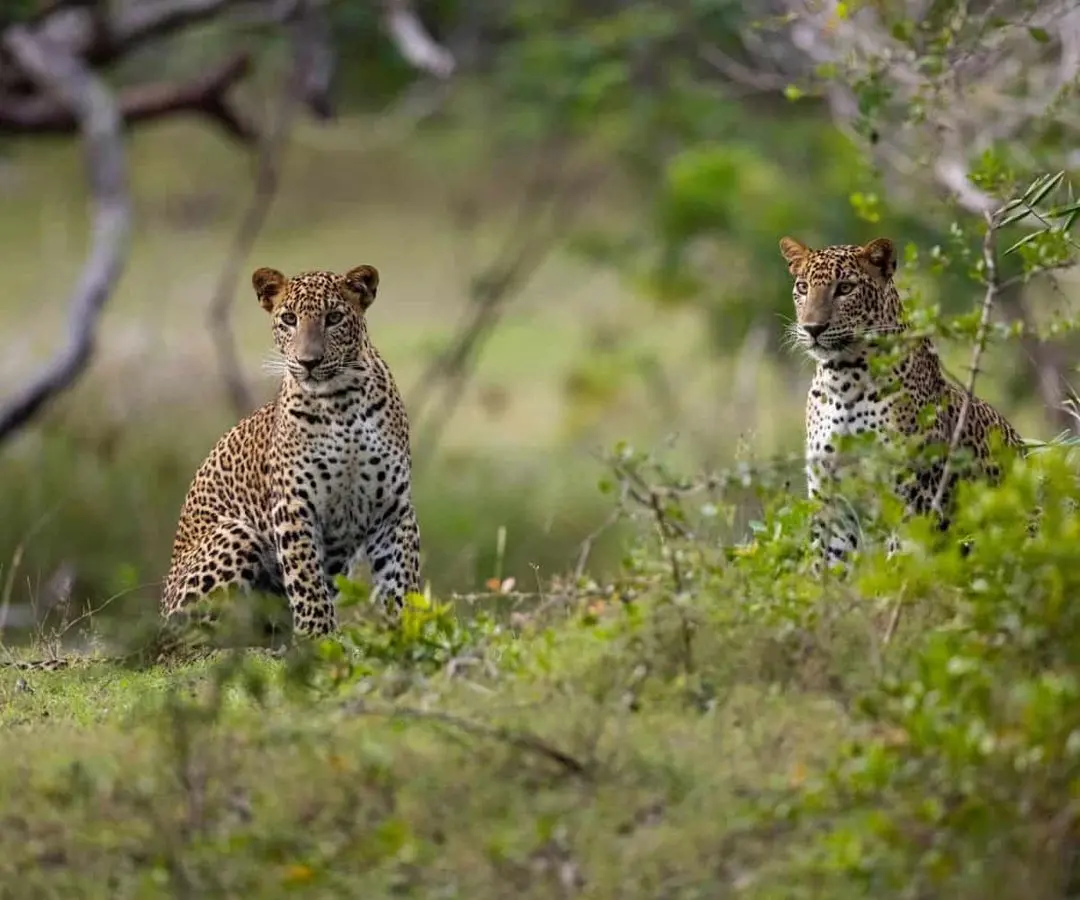
Safari alternatives abound. Kumana, once called Yala East, draws a fraction of Yala's jeeps and hosts some 255 bird species, with the 200-hectare Kumana Villu mangrove swamp filling with nesting pelicans and painted storks in May and June — and it's under an hour from Arugam Bay. Wilpattu, the largest park at over 1,300 square kilometres of forest dotted with rain-filled lakes, reopened in 2010 after the civil war and is one of the best places to see sloth bears, especially May to July when they feed on palu fruit. Leopard Trails, a luxury tented camp nearby, runs a Junior Ranger programme for children. Quieter still, Wasgamuwa offers safaris alongside conservation researchers who show how citrus-tree fences keep elephants and farming villages apart.
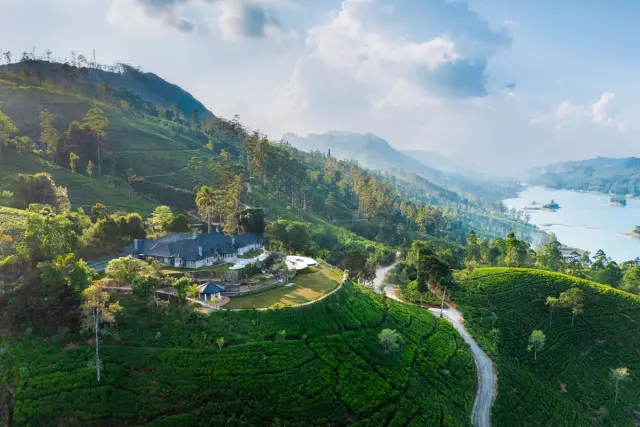
For walkers, the 300km Pekoe Trail — Sri Lanka's first long-distance hiking route, in 22 stages from Kandy to Nuwara Eliya — follows old tea-carrier paths through working plantations, and Ceylon Tea Trails' five restored planters' bungalows near Hatton make an atmospheric base. And at the island's far northern tip, Jaffna feels like a different country: Hindu temples on nearly every street, wild horses on the remote island of Delft, and the best crab curry in Sri Lanka.
The appeal for travellers is simple: these places slot easily alongside the classic sites, so a first visit can mix Sigiriya with empty beaches, boat safaris and tea-country walks without repeating anyone else's itinerary.